

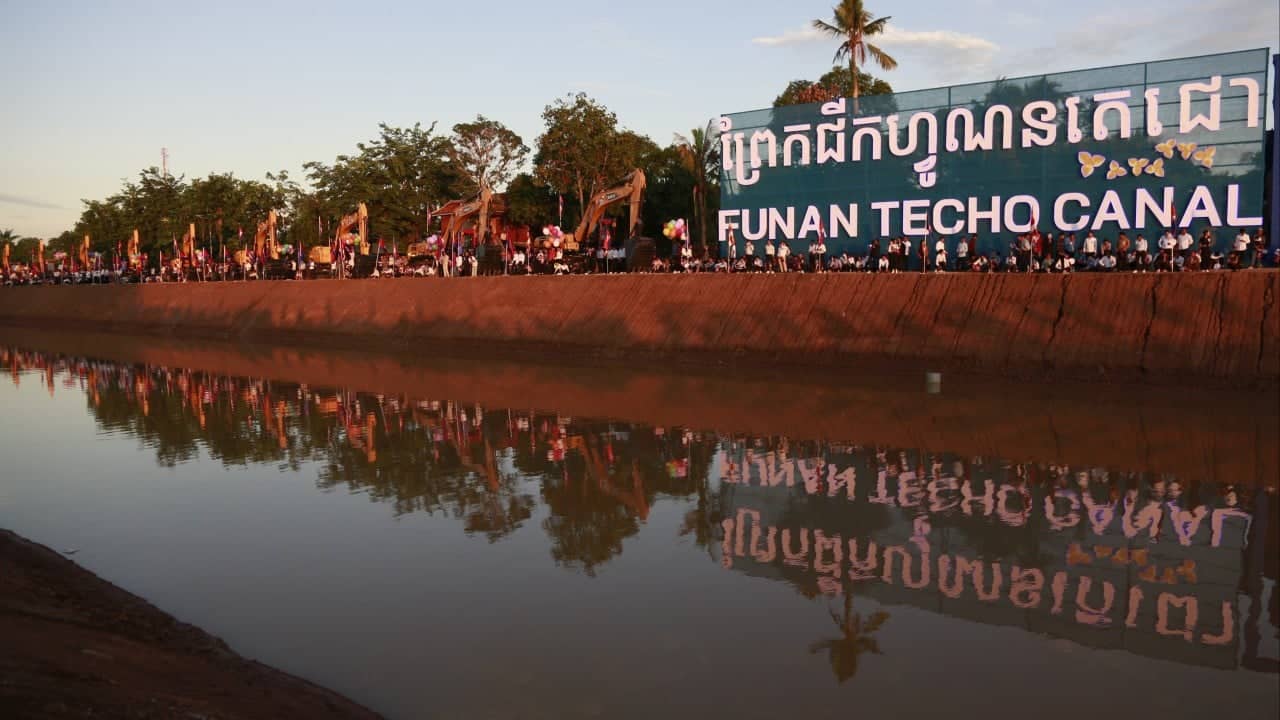

Cambodia aspires to shed its dependencies while staying connected. In Southeast Asia, where regional diplomacy exists against the backdrop of ever-stronger great power disputes, connectivity lies in the conflux of economics, trade necessities and the unyielding pressure of geopolitics. This complex environment shapes how nations like Cambodia navigate their development paths, seeking to enhance their sovereignty while remaining integral to the global economy.
Cambodia's Long-Term Infrastructure Drive and Regional Dynamics
In few countries is this more evident than in Cambodia. The nation has maintained a significant focus on investment in transport logistics for at least two decades. This long-term strategy positions infrastructure development as both a political and diplomatic fixture within the country's broader foreign policy objectives. The aim is not merely to facilitate trade, but to build foundational capabilities that reduce reliance on external infrastructure and enhance Cambodia's direct access to global markets, thereby strengthening its economic independence.
Great Power Disputes and Regional Diplomacy
The backdrop of ever-stronger great power disputes profoundly influences how Southeast Asian nations, including Cambodia, approach connectivity projects. These disputes introduce an additional layer of complexity, as regional powers and external actors vie for influence, often through economic and infrastructure initiatives. Cambodia's experience illustrates that while infrastructure investments are crucial, they must be accompanied by robust diplomatic engagement. This engagement is vital to mitigate risks associated with regional instability and to ensure that connectivity projects serve Cambodia's national interests without inadvertently increasing its geopolitical vulnerabilities. The interplay of economics, trade, and geopolitical pressures from these great power disputes directly impacts the viability and strategic implications of all connectivity endeavors in the region.
Border Conflict Exposes Economic Vulnerabilities
Last year, Cambodia experienced a brief but intense armed conflict with Thailand. The hostilities were followed by border closures that sent major shock waves through Cambodia's economy, with disruptions projected to last until May 2025. This sudden interruption highlighted the nation's economic vulnerabilities, prompting analysts to question the nature of Cambodia's economic resilience from the very beginning of the hostilities. The conflict served as a stark reminder of how external political events can swiftly undermine economic stability, particularly for nations with significant foreign dependencies.
Reliance on Thai Infrastructure and Companies
The border with Thailand served as one of the main entry points for Cambodian goods into the global economy, a critical arrangement that was disrupted until May 2025. This setup meant that Cambodian exports benefited significantly from Thailand's well-developed port infrastructure and its already established maritime network. While convenient, this reliance meant that a crucial artery for Cambodian trade operated outside direct Cambodian control. The border closures therefore not only halted trade flows but also exposed the systemic risk of depending heavily on a single neighbor's infrastructure for access to international markets.
Strategic Sector Dependencies
The conflict raised profound questions about Cambodia's economic resilience due to specific structural factors, particularly its reliance on Thai companies and infrastructure in strategic sectors. Reliance on Thai companies and exports in critical areas such as oil and energy became a focal point of concern during the crisis. This dependency extended beyond simple trade relationships, touching upon vital national security considerations regarding energy supply chains. Furthermore, the heavy use of Thai roads and ports for the transit of these essential goods further complicated efforts to maintain independent supply chains, underscoring a deep-seated vulnerability that policymakers had to address urgently.
Impact of Prolonged Tensions
The prospect of a long war cast significant doubts on Cambodia's short-term economic prospects. These uncertainties, stemming from the potential for sustained border closures and trade disruptions, forced policymakers in Phnom Penh to critically reconsider the sustainability of their current connectivity plans. The challenge was to devise strategies that would enhance national resilience without compromising Cambodia's existing and necessary international trade relationships. The crisis highlighted the urgent need for diversification and the development of alternative routes and domestic capabilities to withstand future shocks.
Rethinking Connectivity: Diplomatic Bridges and Diversification
As it seeks to enhance its connectivity, Phnom Penh recognizes that it must build diplomatic bridges with as much effort as it constructs ports and canals. The recent events underscore that physical infrastructure alone cannot guarantee economic stability if political relationships remain fragile or if geopolitical tensions escalate. A holistic approach is required, one that integrates robust diplomatic strategies with strategic infrastructure development to create truly resilient and independent trade pathways.
The Ambiguity of Connectivity
Connectivity remains an ambiguous term in international relations, often interpreted differently by various states at different times, depending on their strategic priorities and geopolitical positioning. For Cambodia, understanding this ambiguity is crucial. It means discerning how regional and global powers define and pursue connectivity, and how these varied interpretations might align with or diverge from Cambodia's own goals of reducing foreign dependencies while maintaining global access. This nuanced understanding informs Cambodia's diplomatic efforts to shape a connectivity agenda that serves its national interests.
Diversification Strategies Under Review
Cambodia's leadership has acknowledged that reducing foreign reliance requires careful navigation of complex regional dynamics. The nation must balance its desire for economic independence with the practical necessities of maintaining access to global markets through established trade routes. Diversification strategies under review include exploring new trade partners, investing in alternative transport corridors, and developing domestic capacities in key sectors. The goal is to create a more robust and flexible economic framework that can withstand external pressures and reduce over-reliance on any single country or infrastructure network.
Balancing Independence with Integration
Ultimately, Cambodia's approach to connectivity involves balancing the pursuit of economic independence with its essential integration into regional and global trading systems. The nation must determine how much reliance on foreign infrastructure is sustainable without compromising its strategic autonomy. This delicate balance requires continuous assessment of geopolitical landscapes, strategic investments in domestic infrastructure, and proactive diplomacy to foster stable and mutually beneficial relationships. The long-term vision is to build a Cambodia that is both deeply connected to the world and firmly in control of its economic destiny.