

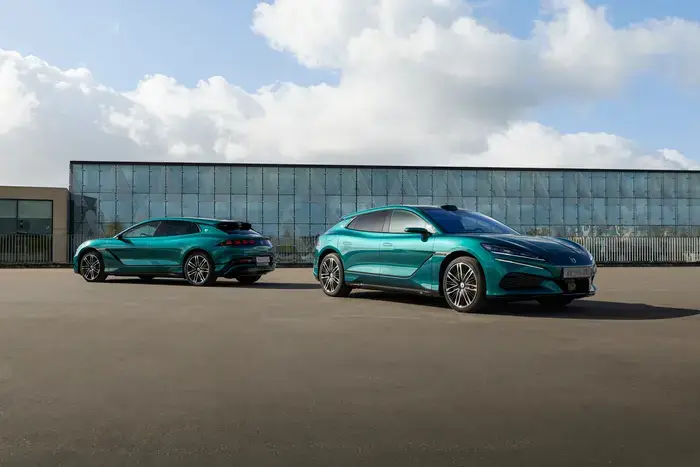

Survey Projections for Chinese Automotive Dominance
A recent KPMG International survey indicates that the global automotive landscape is undergoing a significant shift, with nearly half of industry executives predicting that six of the world's top 10 car manufacturers will be headquartered in China by 2035. The findings, drawn from responses by 775 senior automotive executives worldwide, highlight growing competitive pressure from Chinese manufacturers alongside a fundamental change in how automotive businesses expect to generate value.
The research suggests that capabilities in electrification, software, and digital innovation are key drivers behind China's expanding influence in the sector. Currently, Chinese brands BYD, SAIC, and Geely already occupy positions within the top 10 largest global manufacturers. The survey data implies that continued growth from other Chinese brands could displace three of the existing manufacturers currently holding those top spots.
While the report does not specify which current top-10 brands are under the most pressure, it notes that established European brands are facing distinct challenges. Industry reports indicate that all brands in Europe are feeling pressure from Chinese entrants, with some calling on governments to intervene with trade tariffs.
Software and Digital Technology as Competitive Differentiators
The survey identifies software, batteries, and digital services as the primary forces reshaping competition in the automotive industry. According to KPMG International, 51% of respondents expect software and digital technology to become their company’s main source of competitive differentiation by 2035. This shift is altering what customers value and where future profit pools may emerge, according to Nicolas Nowicki of KPMG France.
Nowicki stated that the industry’s competitive map is being redrawn and that China’s growing influence is one of the clearest signals of this transformation. He noted that success in this new environment will depend on deploying technology, building ecosystems, and adapting as markets diverge.
The Gap Between Ambition and Execution
Despite the high expectations for digital transformation, the survey reveals significant hurdles in execution. Respondents reported that, on average, only 36% of AI and software initiatives had progressed beyond pilot projects and been adopted across their organizations. Furthermore, some 92% of companies needed at least 12 months to deploy a new AI, digital, or software capability across the business, with more than a third requiring over two years.
However, progress is being made in specific areas. KPMG International reported that 49% of respondents described their software-defined products and over-the-air update capabilities as established or embedded, while 42% reported this for their overall software-defined vehicle strategy. Half of the executives believed that customer trust in these digital and connected features would significantly influence which companies succeed over the next three years.
Regional Investment and Strategic Pressures
Investment in emerging technologies varies by region, with significant investment reported by 57% of respondents in Asia Pacific, compared with 52% in Europe and 48% in the Americas. The share of value creation enabled by external partnerships and business networks is also expected to increase from 30% currently to 44% within three years.
Established brands face specific pressures as they navigate this transition. KPMG International outlined that Honda must maintain global scale while strengthening electric and software capabilities, while Nissan is rebuilding its product range and cutting costs. Ford is defending its European passenger car business, Stellantis is protecting sales and margins, and Volkswagen Group is defending its Chinese business while accelerating software and EV development.
The survey found that 52% of respondents agreed continuous transformation had become the industry norm as businesses faced simultaneous pressures from technology and geopolitics. This environment requires manufacturers to adapt quickly to maintain their position in a rapidly changing global market.