


Defining Responsibility in Climate Damage
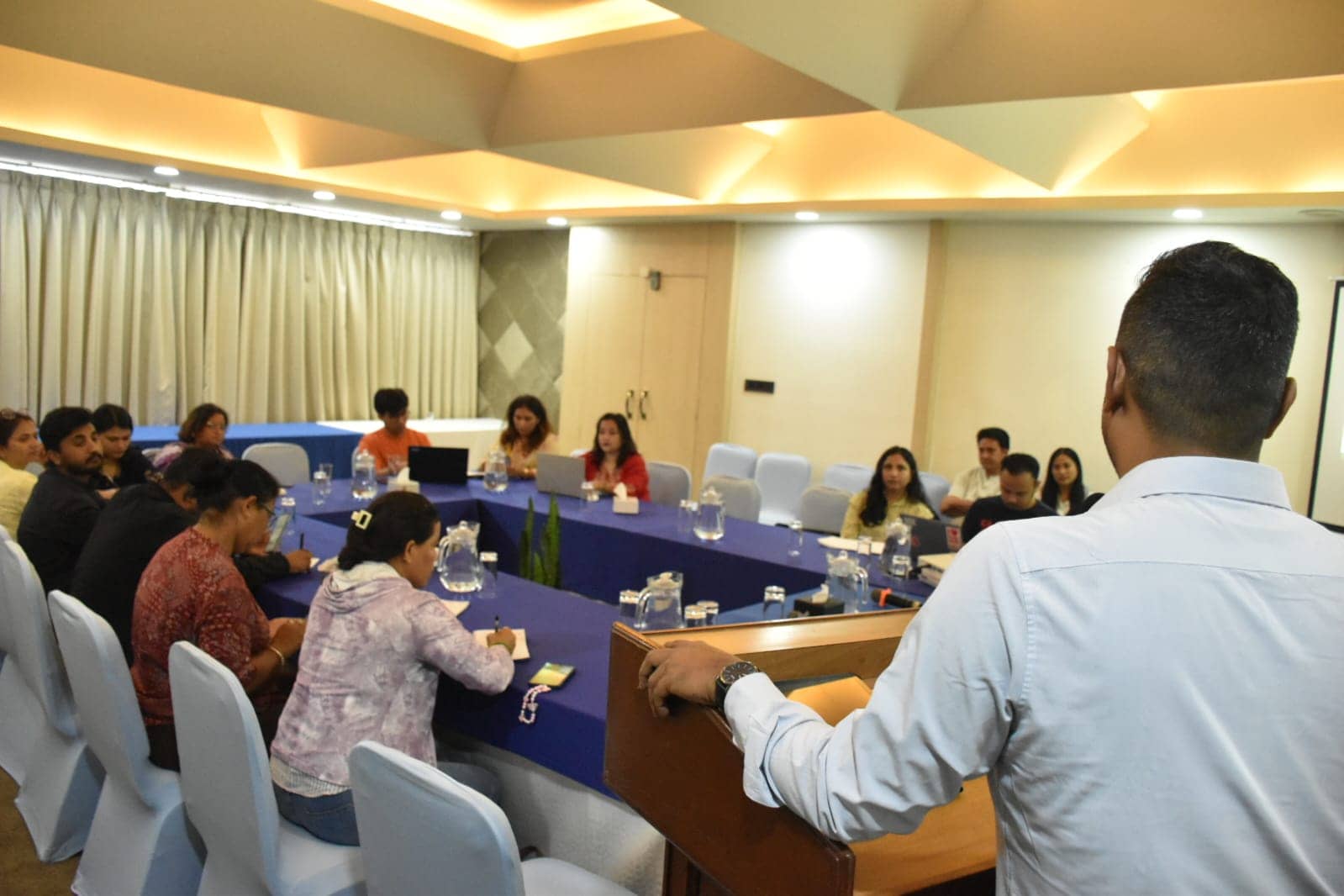
KATHMANDU — Participants at a climate justice program held in Kathmandu on September 30 stressed that determining who bears the loss and who is responsible for causing climate-induced damage is more vital than simply measuring the volume of losses during a disaster. The event, organized in the context of recent devastating floods in the Bhotekoshi-Trishuli river system, discussed climate justice as a global concern, with attendees linking the disaster directly to climate change.
Participants described the Bhotekoshi-Trishuli floods, which have been dubbed the 'Himalayan tsunami,' as among the major catastrophes Nepal has faced. While physical damage from the event was estimated at around Rs 400 billion, attendees noted that psychological and long-term impacts remain difficult to quantify.
Anish Raj Shrestha, communications manager for ActionAid International Nepal, outlined his organization's climate justice campaign as centered on three core pillars: ensuring justice for affected communities, securing sufficient financing for loss and damage, and enforcing the principle that polluters must pay and take responsibility. Rahul Dewan from ActionAid emphasized the importance of conserving common resources and considering non-economic loss and damage in disaster impact assessments.
Disproportionate Impacts on Marginalized Groups
Kamala Panthi, Chairperson of Sancharika Samuha Nepal, stated that climate change impacts affect communities disproportionately. She noted that the lives and livelihoods of women, daily wage earners, and marginalized communities are particularly tough, calling for further research from this perspective to ensure justice.
Ganesh Dhami, President of Youth Advocacy Nepal, viewed climate change as a matter of geopolitics. He argued that destruction in the name of development and resource exploitation excludes marginalized communities and pushes them into poverty, necessitating the assurance of their socio-economic rights.
Manika Shrestha, coordinator of Nepal Mahila Ekata Samaj (NMES), asserted that locals and affected communities must be at the center of climate justice campaigns. She emphasized that amplifying the voices of marginalized and minority communities at national and international levels is vital.
Ethical Reporting and Data Collection
Journalists attending the program urged civil society organizations and stakeholders to engage sensitively with disaster-affected people. They warned that repeated questioning about traumatic experiences could re-traumatize survivors, stressing that this perspective should be the bottom line of climate justice beyond securing international funding.
The gathering called for collecting timely and accurate data after disasters and maintaining media ethics when reporting on affected communities. Participants also emphasized taking collective responsibility for post-disaster situations.
The program was jointly organized by ActionAid Nepal, Youth Advocacy Nepal, NMES, and the Makwanpur Mahila Utthan Samaj.