

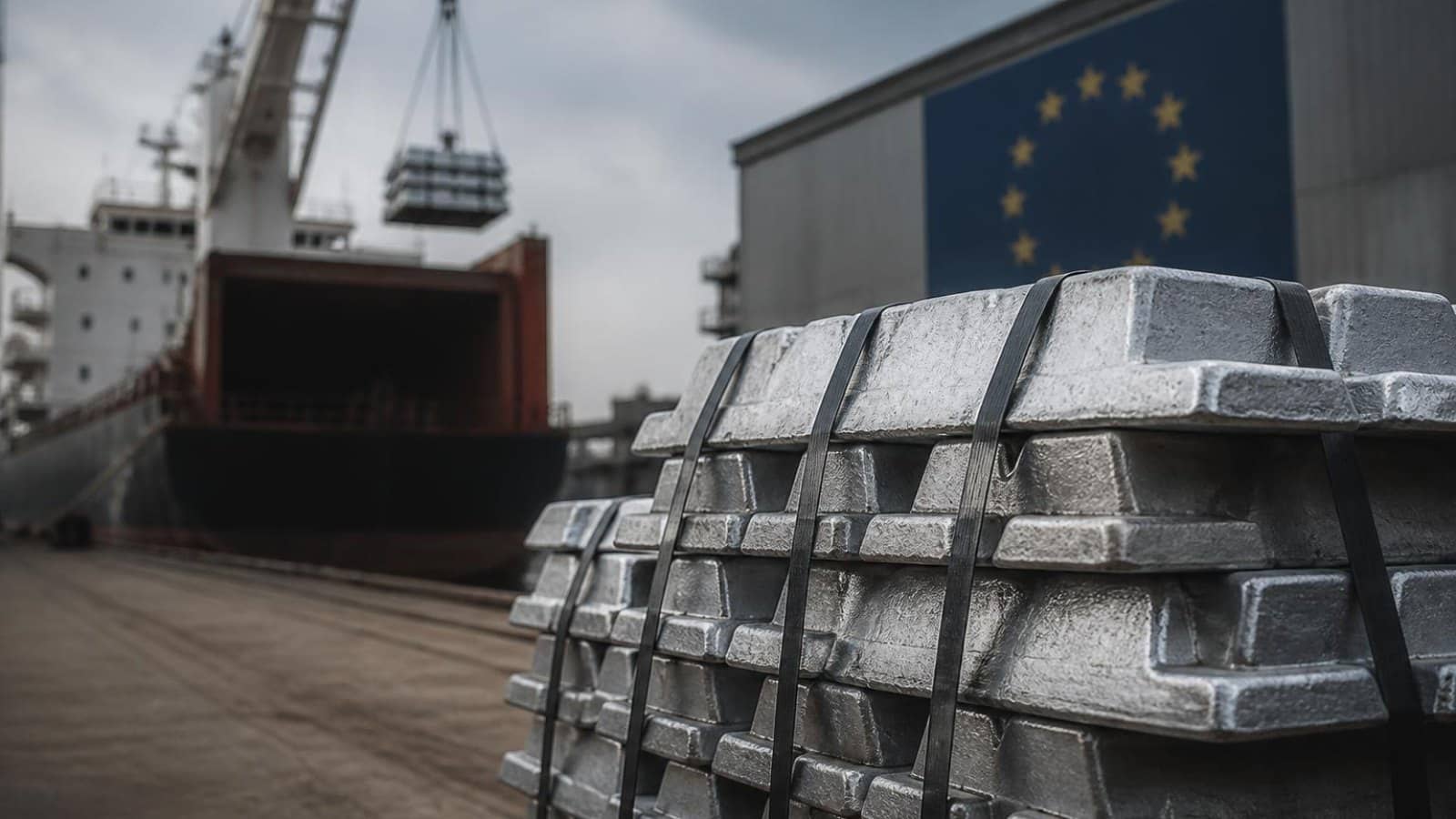

The Alumina Loophole in the EU's Aluminum Sanctions
The European Union has announced a ban on the import of Russian aluminum by 2027, a move designed to diminish revenue streams for Moscow amid ongoing geopolitical tensions. While the policy aims to cut direct trade in finished metal, it has revealed significant vulnerabilities in France's industrial supply chain, which remains dependent on alumina processed through facilities linked to Russian interests.
In 2024, Russian aluminum accounted for 10% of France’s imports. That figure is expected to plummet to nearly 0% by 2025 as the ban takes effect. However, the EU's prohibition targets only the final aluminum product, leaving alumina imports untouched. This distinction has exposed a critical gap in the region's ability to produce aluminum independently of Russian-controlled resources.
Aluminum production requires a multi-step process beginning with the extraction of bauxite, which is then refined into alumina before being transformed into metal. The current regulatory framework does not restrict the flow of this intermediate material, creating a reliance on foreign processing capabilities that are increasingly tied to Russian operations.
France's Production Relies on Single Irish Refinery
Half of the aluminum produced in France is recycled, while the other half is generated from two primary factories located in Dunkerque and Savoie. These facilities rely on imported alumina to maintain production levels.
Nearly half of France’s alumina supply comes from a single refinery in Ireland owned by Rusal, a company predominantly controlled by Russian interests. This refinery processes bauxite sourced from Guinea under Rusal's control. The concentration of supply through one facility has raised concerns regarding the stability of France's aluminum production capabilities.
There is concern that Rusal could prioritize its own operations in Russia during the conflict in Ukraine, potentially cutting off the supply of alumina to French manufacturers. Reports indicate that alumina is increasingly being redirected from the Irish refinery to Russian facilities, further straining the availability of raw materials for European producers.
Minex Forum Highlights Supply Chain Fragility
The specific mechanics of this dependency were highlighted at the Minex Forum, where analysts noted that the EU’s ban on Russian aluminum imports by 2027 exposes France's reliance on Russian alumina. This exposure raises concerns over supply chain vulnerabilities amid geopolitical tensions, as the primary goal of the ban is to diminish Moscow’s revenue streams rather than address intermediate material flows.
While the EU’s ban targets aluminium specifically, leaving alumina imports untouched, the structural reality remains that French industrial output is tethered to a single point of failure. The redirection of alumina from the Irish refinery to Russian facilities suggests that the economic link between France and Russia persists through the supply chain, even as direct trade in finished metal declines.
As the 2027 deadline approaches, the focus remains on how the EU will address these intermediate material dependencies. The current ban structure leaves alumina imports unaffected, maintaining a link between French industrial output and Russian-controlled supply networks.