

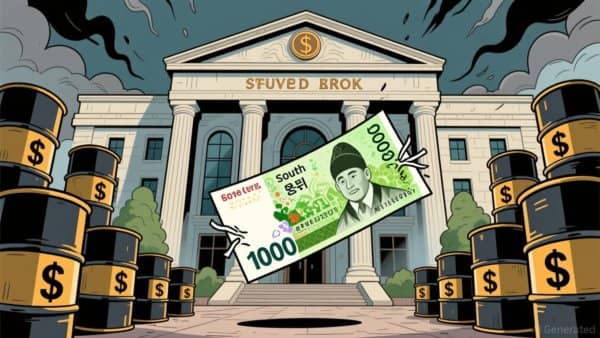

Market Response to Stabilizing International Relations
New data suggests a direct correlation between the reduction of geopolitical tensions and a subsequent decrease in various economic costs. This trend highlights how global stability influences financial metrics across multiple sectors. As diplomatic channels remain open and hostile posturing diminishes, industries that rely on stable supply chains and predictable trade routes have begun to see tangible benefits.
The phenomenon is not isolated to a single region or industry. Instead, it represents a broader shift in the global economic landscape where peace and cooperation are increasingly valued as assets rather than abstract ideals. Investors and analysts are closely monitoring these shifts to understand the long-term implications for global commerce.
Supply Chain Efficiency Improves
One of the primary drivers behind the drop in costs is the improved efficiency of global supply chains. When geopolitical tensions are high, shipping routes often face disruptions due to sanctions, blockades, or increased insurance premiums. However, as these tensions ease, the flow of goods becomes more predictable and less expensive.
Logistics companies report fewer delays and lower fuel consumption costs as vessels no longer need to take longer, safer routes around conflict zones. This efficiency translates directly into lower prices for consumers and businesses alike. The reduction in risk premiums paid by insurers further contributes to the overall decrease in operational costs for international trade.
Energy Markets Stabilize
Energy markets have also played a significant role in this trend. Geopolitical conflicts often disrupt oil and gas supplies, leading to volatile price spikes that ripple through the global economy. As tensions subside, these disruptions become less frequent, allowing energy prices to stabilize.
Stable energy prices reduce the cost of production for manufacturing industries and lower transportation costs for logistics networks. This stabilization provides a buffer against inflationary pressures, allowing central banks to maintain more consistent monetary policies. The predictability in energy costs is particularly beneficial for long-term planning in sectors such as aviation, shipping, and heavy industry.
Diplomatic Breakthroughs Drive Economic Confidence
Beyond immediate logistical benefits, the easing of tensions has fostered an environment of increased economic confidence. Businesses are more willing to invest in new markets and expand operations when they perceive a lower risk of political instability. This investment drives growth and creates jobs, further stimulating economic activity.
Trade Agreements Gain Momentum
Diplomatic breakthroughs have also led to the renegotiation and expansion of trade agreements. Countries that were previously at odds are now engaging in dialogue to reduce tariffs and remove non-tariff barriers. These agreements facilitate smoother cross-border transactions and reduce the administrative costs associated with international trade.
The removal of trade barriers allows for greater competition, which often leads to lower prices for consumers. It also encourages innovation as companies strive to differentiate themselves in a more open market. The resulting economic integration strengthens ties between nations, creating a feedback loop that further reduces the likelihood of conflict.
Investment Flows Shift
As geopolitical risks decline, investment flows shift towards emerging markets that were previously considered too risky. This influx of capital provides these regions with the resources needed to develop infrastructure and improve living standards. It also diversifies global investment portfolios, reducing the concentration of risk in stable but slower-growing developed economies.
The shift in investment patterns is not without its challenges. Some analysts warn that rapid capital inflows can lead to asset bubbles if not managed carefully. However, the overall trend points towards a more balanced and resilient global financial system.
Consumer Prices Show Downward Pressure
At the consumer level, the drop in costs is becoming increasingly visible. Goods that were previously subject to tariff hikes or supply chain disruptions are now available at lower prices. This trend is particularly noticeable in sectors such as electronics, automotive parts, and agricultural products.
Lower consumer prices increase purchasing power, allowing households to spend more on other goods and services. This increased demand can stimulate economic growth, creating a virtuous cycle of prosperity. However, economists caution that these benefits are contingent on the sustained easing of tensions; any resurgence in conflict could quickly reverse these gains.
Long-Term Implications for Global Commerce
The current trend of dropping costs due to eased tensions has long-term implications for the structure of global commerce. It suggests that economic interdependence can serve as a deterrent to conflict, as nations have more to lose from disruption than they might gain from aggression.
Policy Considerations
Policymakers are now tasked with maintaining this momentum. This involves not only continuing diplomatic efforts but also implementing policies that support economic integration and stability. Trade facilitation measures, such as harmonized regulations and standardized customs procedures, can further reduce costs and enhance efficiency.
Additionally, international organizations play a crucial role in monitoring these trends and providing early warning systems for potential conflicts. By identifying risks before they escalate, these bodies can help prevent the resurgence of tensions that could disrupt economic gains.
Sustainability and Stability
The link between peace and prosperity is becoming clearer. As costs drop and economies stabilize, there is greater capacity to address other global challenges, such as climate change and public health. A stable geopolitical environment allows nations to focus on long-term goals rather than short-term security concerns.
This shift represents a significant opportunity for the global community. By prioritizing diplomacy and economic cooperation, nations can create a more resilient and prosperous world. The evidence suggests that the price of easing tension is not just a financial metric but a measure of our collective progress towards a more stable future.