


Visit Scheduled Following Prison Opening
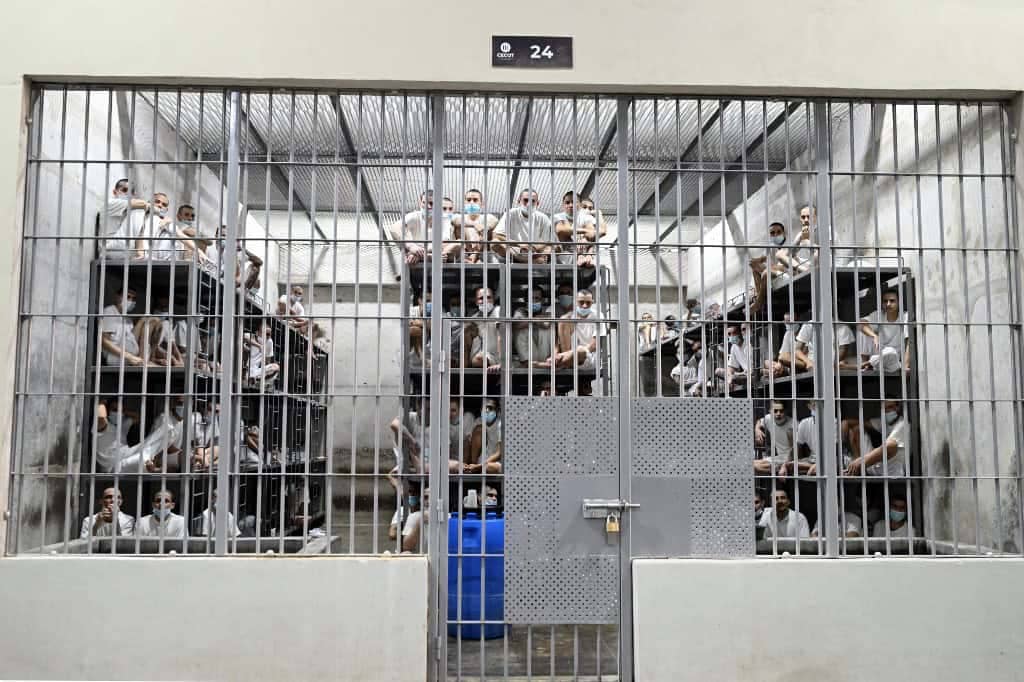
Costa Rican President Laura Fernandez is scheduled to travel to El Salvador on Friday to tour the Terrorism Confinement Center (CECOT) in Tecoluca. The visit comes two days after she inaugurated the High Containment Center Against Organized Crime (CACCO), a new facility at the La Reforma prison complex in Alajuela designed with CECOT as its model.
Fernandez confirmed the trip during the inauguration ceremony for CACCO, which has a capacity of 5,100 inmates. The visit follows a formal invitation from Salvadoran Foreign Minister Alexandra Hill Tinoco. During her stay, Fernandez will hold bilateral meetings with President Nayib Bukele to discuss strategic and regional issues.
The Costa Rican president is expected to return to Costa Rica on Sunday.
Conditions for CACCO Operations
Justice Minister Gabriel Aguilar stated that the CACCO project was developed with technical assistance from El Salvador. Representatives from El Salvador’s Justice Ministry, including Minister Gustavo Villatoro, and Defense Ministry, including Defense Minister René Merino Monrroy, attended the inauguration in Alajuela.
The facility consists of five modules, each containing 1,020 beds. The project cost 16.774 billion colones, approximately $37 million. Aguilar said the prison will operate with round-the-clock electronic monitoring, video surveillance, and strict entry and exit controls intended to block contraband.
Penitentiary Police are scheduled to take control of the facility on Thursday to familiarize themselves with the modules and equipment before any transfers occur. The prison will not hold inmates until late October. When it does open, the first prisoners will be high-risk individuals from La Reforma’s high-containment unit, selected after individual technical and legal reviews.
Aguilar specified that the first cell at CACCO would be assigned to the man accused of killing police officer Gerson Rosales, a decision made at Fernandez’s request.
Diplomatic Agenda and Conditional Releases
During her visit, Fernandez stated she would review President Bukele’s proposal to conditionally release some prisoners convicted of collaborating with gangs. She indicated she would raise this issue during the bilateral meeting with Bukele.
Bukele previously announced a plan to conditionally release about half of gang-linked prisoners who did not play a central role in violent crimes. The plan excludes gang leaders and those convicted of homicide or rape. Beneficiaries would remain under state supervision while finishing their sentences outside prison, though Bukele has not specified when the program begins or how many people qualify.
Fernandez noted that she does not usually comment on other presidents’ policy decisions but added that anything of value from El Salvador’s cooperation would be studied by her government. The Costa Rican government has not yet said whether any cooperation agreements will be signed during the visit.
Political Tensions and Judicial Absence
The inauguration ceremony for CACCO was marked by the absence of key judicial figures. Magistrates, judges, and prosecutors were invited to the event but did not attend; their empty seats were displayed during the ceremony.
Fernandez addressed this absence directly, stating that some magistrates, prosecutors, and judges stayed away because they dislike a hard-line approach and are on the side of criminals. She blamed the leadership of the judicial branch for a lack of coordination between institutions.
The visit also touches on broader human rights concerns. Human rights organizations have alleged arbitrary detentions under El Salvador’s state of exception, which has been in place since March 2022. Bukele has stated he would like to lift the state of exception but considers it necessary while gang structures remain active. Fernandez did not address these specific allegations during the inauguration.