

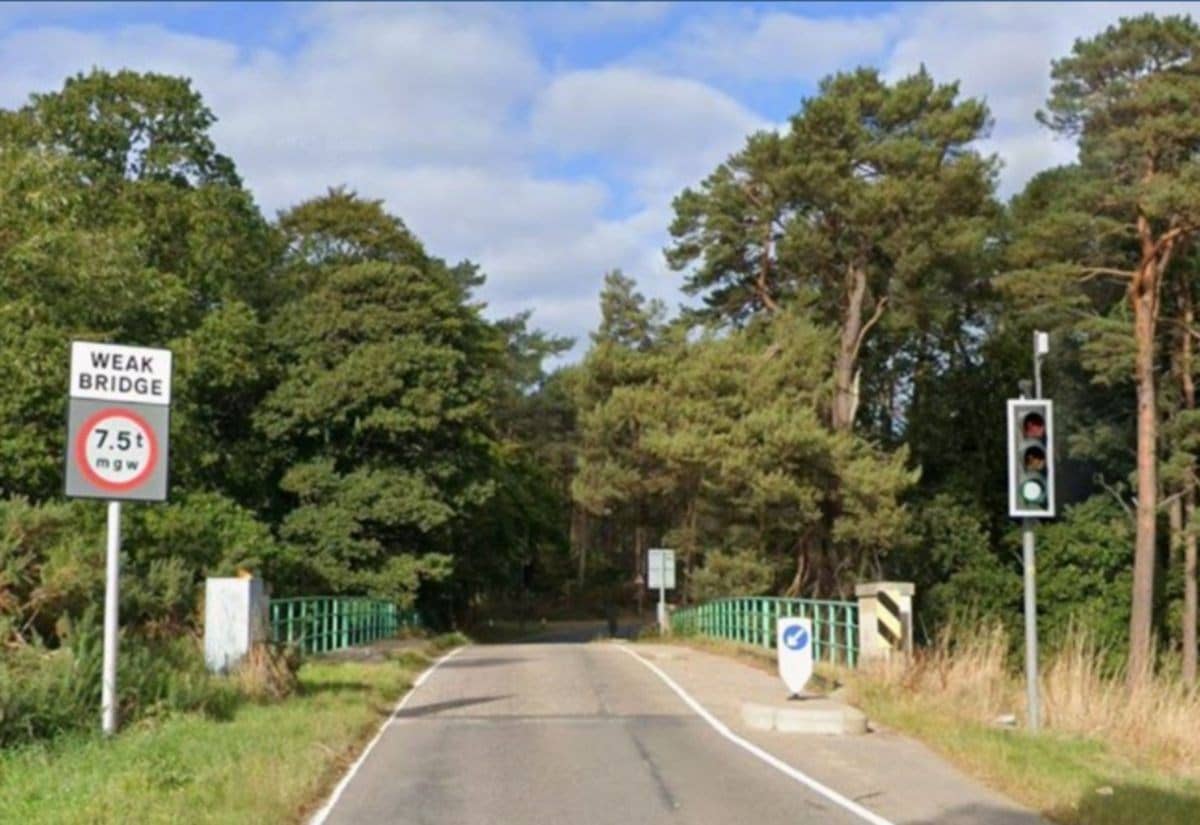

Enforcement Measures Proposed for Lossiemouth Crossing
Moray MP Graham Leadbitter has urged Moray Council to implement stricter enforcement mechanisms for Arthur’s Bridge in Lossiemouth, specifically calling for the installation of cameras to monitor vehicle weights.
In a letter addressed to the council, Leadbitter stated that the existing 7.5 tonne weight limit is "crucial" to the structural survival and safety of the bridge. He argued that relying on voluntary monitoring by local residents is an unsustainable approach for ensuring compliance with safety regulations.
Currently, residents in the area have been recording crossings of the bridge voluntarily to track potential violations. Leadbitter noted that this places an undue burden on the community and suggested that technological solutions could provide a more effective and cost-efficient alternative to current methods.
Weight Discrepancies and Safety Concerns
The MP highlighted significant discrepancies between the bridge's designated weight capacity and the actual loads being carried across it. While small delivery trucks are able to cross the structure without exceeding the limit, larger commercial vehicles present a substantial risk.
According to Leadbitter, larger vehicles utilizing the crossing can range from 18 to 44 tonnes. This exceeds the 7.5 tonne limit by more than five times, posing a severe threat to the integrity of the infrastructure.
To address this issue, Leadbitter suggested that high-quality cameras capable of identifying offending vehicles could serve as a cost-effective alternative to Automatic Number Plate Recognition (ANPR) systems or full police enforcement. The proposal aims to deter heavy lorries from using the bridge while avoiding the higher costs associated with more complex surveillance technologies.
Bridge Repairs and Replacement Timeline
The urgency of Leadbitter’s call for enforcement is linked to the deteriorating condition of Arthur’s Bridge. The council had previously accelerated planned repairs, moving the timeline forward from 2027/28 to 2024/25 due to observed deterioration.
Despite the accelerated schedule, physical repair work has not yet commenced. Leadbitter noted that the delay is attributed to the high cost of a potential replacement for the bridge, which is estimated at £7.1 million.
The combination of structural decay and the continued risk posed by overweight vehicles has intensified calls for immediate action from local representatives. The MP’s intervention marks a shift toward demanding active monitoring rather than passive observation as the bridge approaches its revised repair window.