

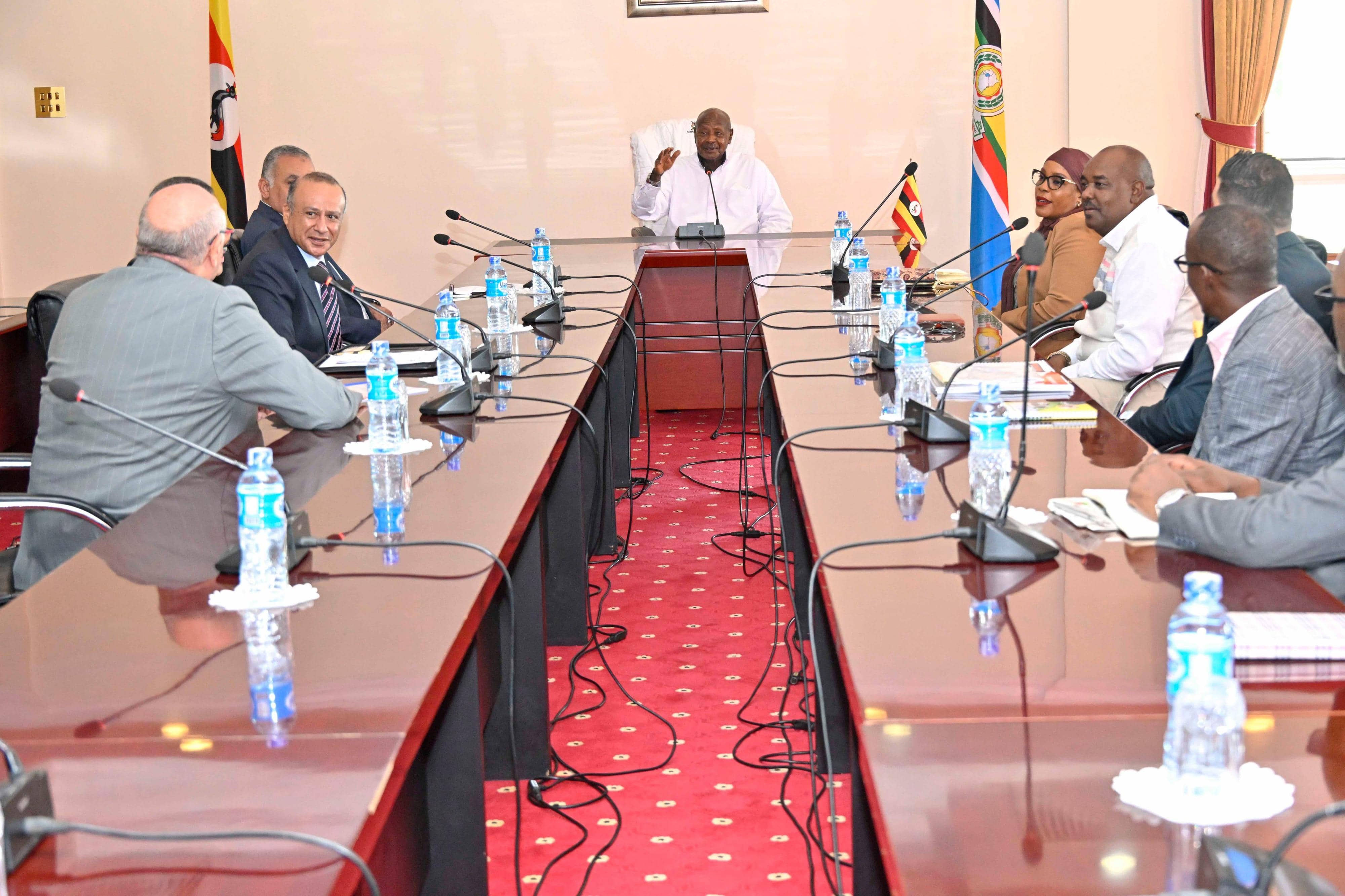

High-Level Discussions at State House
Egyptian investors are advancing plans to construct a major dairy processing facility in Nakaseke, Uganda, with an estimated investment value of Shs3 trillion. The proposal aims to significantly expand the country's dairy export capacity by integrating modern technology and infrastructure into the local supply chain.
The initiative was formally presented during a meeting between President Yoweri Museveni and representatives from the Egyptian investment delegation. According to reporting dated June 26, 2026, the discussions took place at State House in Entebbe on June 25, 2026. During this session, the investors outlined their partnership proposals for collaboration with Uganda’s agricultural sector.
The proposed facility is designed to address current logistical and hygienic challenges within the dairy industry. By introducing advanced processing capabilities, the investors intend to create a more robust framework for exporting dairy products to international markets. The Shs3 trillion valuation reflects the scale of infrastructure, technology, and operational changes required to achieve these export goals.
Operational Modernization and Supply Chain Overhaul
A central component of the Egyptian investors' proposal is a comprehensive overhaul of the local dairy supply chain. The plan specifically targets the elimination of manual milking practices, which have historically been common in smallholder farming systems across the region.
Introduction of Automated Milking Systems
To improve hygiene and efficiency, the investors propose introducing automated, hygienic milking equipment. This technological shift is intended to remove the need for manual handling during the initial collection phase. The adoption of such equipment aligns with international standards for food safety and product quality, which are critical for accessing high-value export markets.
The transition from manual to automated methods represents a significant structural change in how dairy is collected from farms. By standardizing the milking process, the facility aims to reduce contamination risks and ensure consistent milk quality before it reaches the processing plant.
Refrigerated Logistics Network
In addition to on-farm technology, the proposal includes the establishment of a dedicated refrigerated transport network. This infrastructure is designed to link individual farms directly to cooling centers. The cold chain logistics are essential for preserving milk freshness and preventing spoilage during transit.
The integration of cooling centers serves as an intermediate step between farm collection and final processing. By maintaining strict temperature controls from the point of milking, the investors argue that the overall integrity of the dairy product is preserved. This network is a prerequisite for meeting the stringent requirements of export markets, which often mandate rigorous cold chain compliance.
Strategic Implications for Uganda’s Dairy Sector
The proposed Shs3 trillion investment represents one of the largest single commitments to Uganda's agricultural processing sector. If realized, the facility would be located in Nakaseke, a district known for its agricultural potential. The project is positioned as a catalyst for increasing the volume and value of dairy exports from Uganda.
The focus on export capacity suggests a strategic shift toward meeting international demand rather than solely serving the domestic market. By upgrading both the collection and processing capabilities, the investors aim to position Uganda as a competitive supplier in the global dairy trade.
President Museveni’s engagement with the delegation indicates government interest in large-scale foreign direct investment that promises technological transfer and infrastructure development. The meeting at State House underscores the administrative level of attention given to this proposal.
The timeline for implementation has not been explicitly detailed in the initial reports. However, the presentation of formal partnership proposals suggests that preliminary negotiations are underway. The success of the project will depend on the finalization of these agreements and the subsequent deployment of the proposed automated and refrigerated infrastructure.
Industry observers note that the elimination of manual handling through automation could set a new benchmark for dairy farming practices in the region. The combination of high-tech milking equipment and cold chain logistics represents a departure from traditional methods, aiming to create a fully integrated industrial dairy ecosystem.