


EU Summit Focuses on Winter Preparedness and Funding
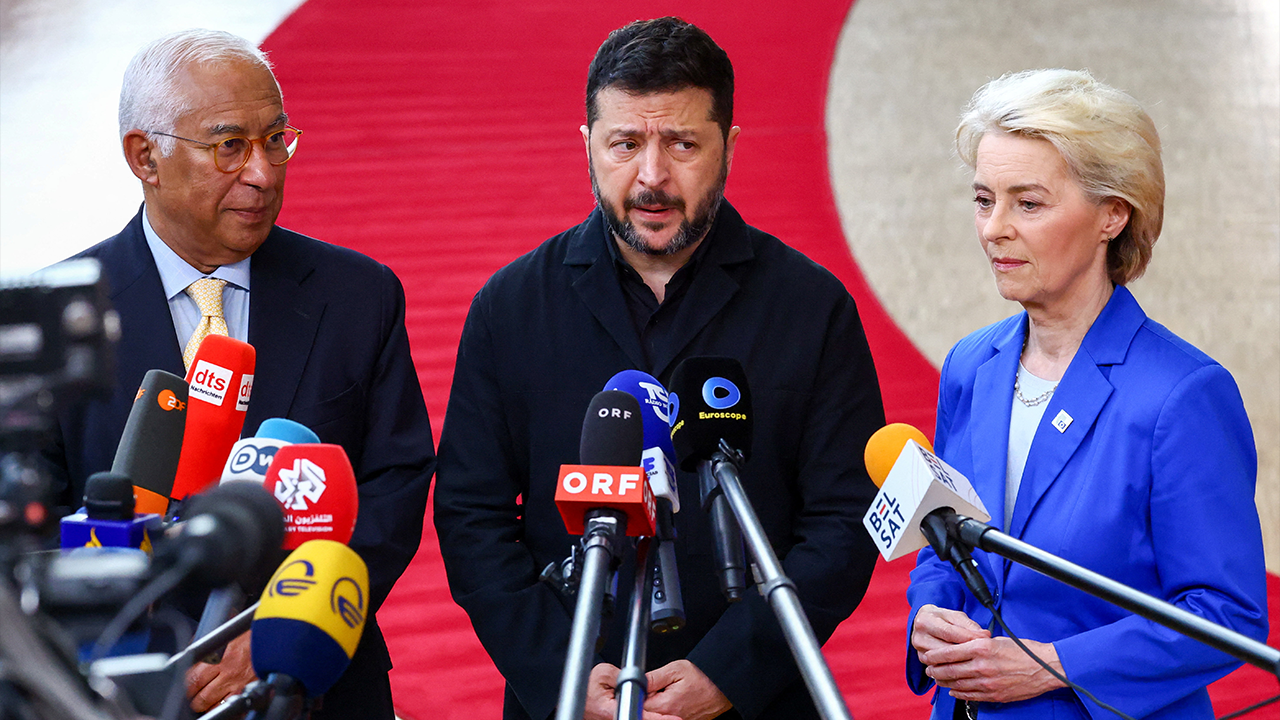
European Union leaders are meeting with President Volodymyr Zelenskiy in Brussels on Friday to address Ukraine's immediate security needs and financial deficits. The summit occurs during a period of intensified Russian attacks, including missile and drone strikes that have left hundreds of thousands without power and killed three people in Kharkiv.
Zelenskiy arrived at the summit stating that there are no signals from Russia indicating readiness to end the war. Consequently, he emphasized the necessity of preparing for the winter season. "The winter package is not only energy, it's also air defence and funding," Zelenskiy said, noting that he would discuss Ukraine's requirements for the remainder of this year and for 2027.
Ukrainian Finance Minister Sergii Marchenko has previously stated that Ukraine continues to face an unfunded budget gap. However, Zelenskiy told Reuters that Kyiv had agreed on a plan with European partners to close a US$27 billion deficit in military spending for this year. The urgency of the situation was underscored by Estonian Prime Minister Kristen Michal, who told Reuters that the EU would likely need to provide a new loan to Ukraine to cover its budget gap for next year, describing the coming winter as "hell." This financial strain is compounded by broader economic pressures, as EU leaders grapple with soaring energy prices since the Iran war, exposing divisions between member states.
Trump's Condemnation and Shifting US Policy
The diplomatic landscape has been further complicated by statements from US President Donald Trump, who called Ukrainian strikes on Russian refineries a "disgrace" in an interview with Newsmax. Trump blamed these attacks for pushing up energy prices ahead of the November midterm elections. This criticism marks a sharp turn from previous positions; Trump had previously announced that Ukraine and Russia had agreed not to target each other's energy facilities, a move that blindsided Zelenskiy.
Following the Ukrainian strike on a Russian oil refinery southeast of Moscow, Zelenskiy declared that Kyiv was abandoning the energy ceasefire announced by Trump. The geopolitical tension is further highlighted by reports that the US has struck a diesel deal with Russia, an agreement that has angered Ukraine and European allies. Despite the public condemnation of specific military tactics, Trump stated this week that intelligence sharing with Ukraine continued.
Technical Challenges and White House Turmoil
Ukraine's military operations face technical hurdles alongside political headwinds. Ukraine's defense ministry reported that SpaceX Starshield receptors were only working at speeds up to 100 miles per hour (160 kph), complicating military missions. A US official denied that Trump ordered a deliberate slowdown of the Starshield system, but the operational limitations remain a concern for Kyiv.
European officials are also navigating infrastructure vulnerabilities. EU foreign policy chief Kaja Kallas said Europe does not have a ready-made alternative to Starlink in the short term but is working on new sanctions packages to address these dependencies. Meanwhile, instability within the US administration adds another layer of uncertainty. White House press secretary Katie Zacharia left her role less than five days after her public debut, amid criticism of her credentials and preparedness. Analysis by Anthony Zurcher notes the White House is facing growing adversity weeks before crucial midterm elections, potentially impacting its ability to sustain consistent support for Kyiv.