


A Diplomatic Push to Bridge the Green Party’s Pacifist Stance
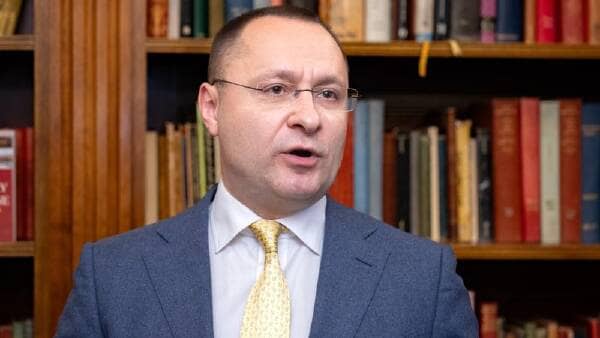
Vasyl Myroshnychenko, Ukraine’s Ambassador to Australia, has initiated direct diplomatic engagement with Greens leader David Shoebridge, seeking a detailed explanation for the party’s continued opposition to military assistance for Kyiv. The meeting underscores the growing friction between Canberra’s support for Ukraine and the internal ideological constraints of one of its key parliamentary partners.
According to reports from the Blayney Chronicle, Perth Now, Armidale Express, and Blue Mountains Gazette, Myroshnychenko aims to persuade Shoebridge to reconsider his position. The ambassador noted that many European green parties have already shifted their stance to support military aid for Ukraine, suggesting that the Australian Greens’ position may be an outlier within the global environmental movement.
The Pacifist Doctrine and Internal Consensus
At the center of the dispute is Senator Shoebridge’s assertion that the Greens remain committed to a policy of non-violence. In an interview with Nine newspapers, Shoebridge stated clearly that the party does not support sending military aid to Ukraine because it opposes violence as a method of conflict resolution.
This stance has drawn sharp criticism from government officials. Defence Industry Minister Pat Conroy accused Shoebridge of unintentionally aiding Vladimir Putin’s invasion by denying critical military assistance. Conroy’s remarks, reported via ABC Radio and the Blayney Chronicle, highlight the tension between Australia’s strategic interests in supporting Ukraine and the Greens’ ethical framework.
Despite these external pressures, Shoebridge denied that the party is fractured over the issue. He cited a consensus decision predating his time in the party room that opposes the international arms trade. This long-standing policy forms the bedrock of the Greens’ position, distinguishing them from other political factions that have embraced military support as a necessary component of their foreign policy.
Humanitarian Aid and Economic Pressure
While opposing military aid, Shoebridge emphasized that the Greens fully support humanitarian and civilian aid to Ukraine. This distinction is crucial for understanding the party’s nuanced approach to the conflict. They argue that while direct military intervention may escalate tensions, economic pressure can be a more effective tool for ending the war.
Specifically, the Greens are calling for a full boycott of Russian oil. This economic strategy aligns with their broader environmental and anti-capitalist principles, aiming to cut off the financial lifeline that sustains the Russian war machine without resorting to direct military engagement.
The debate has also triggered divisions within the Greens themselves. SA Senator Sarah Hanson-Young argued that Ukraine needed to be able to defend itself, highlighting the internal diversity of opinion within the party. Her comments, reported by the Blayney Chronicle, reflect a growing segment of the party that questions whether strict pacifism is compatible with supporting a nation under invasion.
The Scale of Australian Support
Australia’s commitment to Ukraine has been substantial since the 2022 invasion. According to data reported by Australian Associated Press and the Blayney Chronicle, Australia has provided more than $1.8 billion in assistance to Ukraine. Of this total, $1.6 billion has been allocated for military aid, underscoring the significant role that non-Green parties have played in supporting Kyiv.
Myroshnychenko’s meeting with Shoebridge is not just about seeking an explanation; it is also about encouraging a shift in perspective. By pointing to the actions of European green parties, the ambassador hopes to demonstrate that supporting military aid does not necessarily contradict environmental or pacifist values.
As the conflict continues, the Greens’ position remains a point of contention. While they maintain their commitment to non-violence and humanitarian aid, the pressure from both domestic and international actors is mounting. The outcome of Myroshnychenko’s diplomatic efforts will likely influence not only the Greens’ future stance but also the broader conversation about Australia’s role in the global response to the war in Ukraine.
The debate highlights the complex interplay between ethical principles and geopolitical realities. For the Greens, maintaining their pacifist identity is paramount, even as they face criticism for what opponents see as a failure to support a democratic nation against aggression. For Myroshnychenko, the goal is to find common ground, leveraging the example of other green parties to bridge the ideological gap.
As discussions continue, the Greens’ position will remain under scrutiny. Their ability to reconcile their core values with the demands of international solidarity will be a defining challenge for the party in the coming months. The outcome of this diplomatic push could set a precedent for how environmental parties worldwide navigate the complexities of supporting nations under threat without compromising their foundational principles.