


Pre-Conflict Warnings on Interceptor Shortages
Ousted US Army Chief of Staff General Randy George issued a warning in late December that American missile defense stockpiles were critically low prior to the US-Israeli war on Iran. The assessment indicated that replenishing these supplies could take until 2030, according to reports from TRT World.
George’s warning was delivered two months before the conflict began, as the Pentagon was in the process of planning its fiscal 2027 force allocation. The general cautioned that air and missile defense capabilities would be crucial in any major confrontation, particularly with Beijing, which would require substantial interceptor supplies.
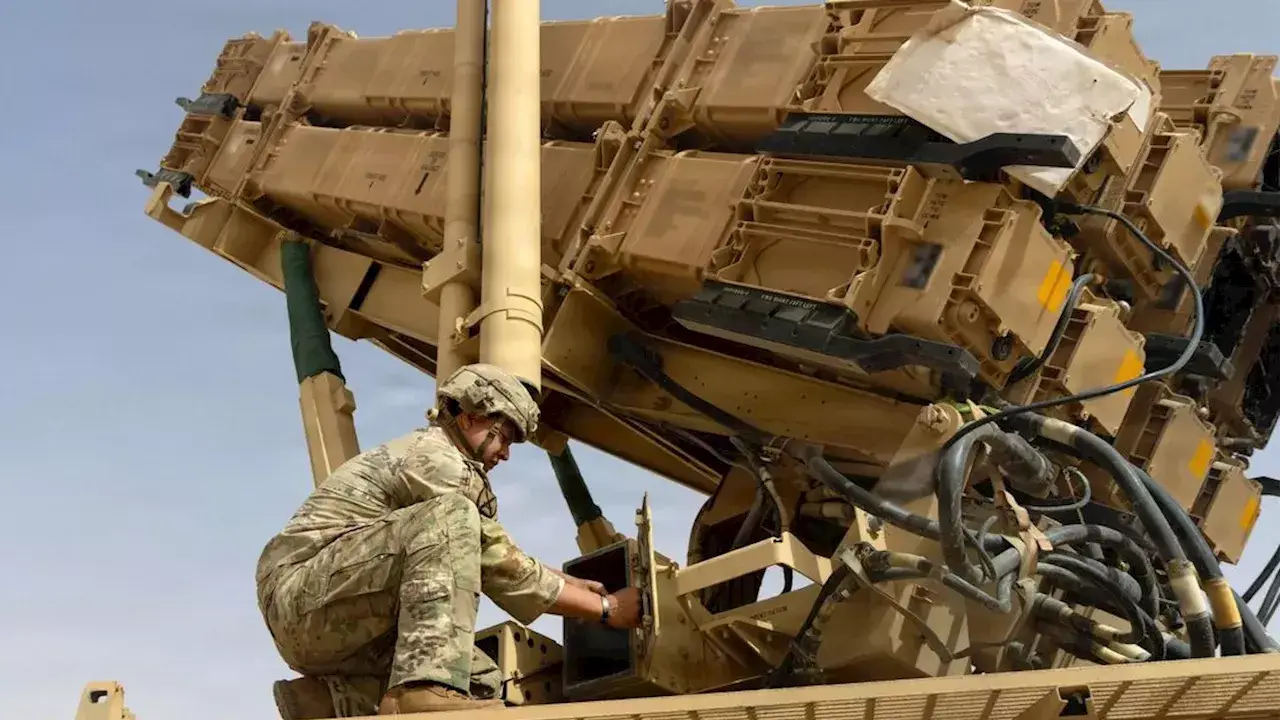
The assessment identified specific shortages in Terminal High Altitude Area Defense (THAAD) interceptors and Patriot missiles. Officials attributed the shortfall to weapons transfers to Ukraine, US military support for Israel, and limited defense industry production capacity.
Quantifying the Depletion of Stockpiles
Data from a Center for Strategic and International Studies (CSIS) estimate highlighted the scale of the depletion. The United States had approximately 355 THAAD interceptors before the war, of which an estimated 190 to 290 were expended during the conflict.
Regarding Patriot missiles, CSIS estimates indicated that US forces entered 2026 with about 2,300 interceptors. During the conflict, between 1,050 and 1,430 of these were used.
The long timeline for replenishment was underscored by production constraints. A CSIS estimate found that new THAAD interceptor contracts take more than four years to fulfill, while Patriot PAC-3 orders take an average of three and a half years.
Political Fallout and Ongoing Conflict
The warning contributed to the political landscape surrounding the war. Defense Secretary Pete Hegseth removed General George from his post in April, while the war was underway.
As the conflict continued, President Trump stated that the Iran war would end "very soon" and predicted a sharp drop in oil prices. Trump ruled out the use of nuclear weapons against Iran but threatened further strikes, including on suspected underground sites known as Pickaxe Mountain.
Reports also indicated that the US was weighing the use of the 'Mother of All Bombs' in potential strikes on Iran.