


Historical Associations and Political Realignment
In the final quarter of the 20th century, the political landscape of Europe was characterized by far-right movements that were primarily associated with antisemitism and racism. These ideologies defined the public perception of extremist groups during that era, establishing a long-standing link between right-wing populism and anti-Jewish sentiment.
However, by the end of the first quarter of the 21st century, this historical association has notably shifted. According to reports, the discourse surrounding the rising far-right in Europe and its growing alignment with Israel has become increasingly widespread. This represents a distinct departure from previous decades, where such political factions were rarely seen supporting Israeli interests.
The shift marks a pivotal moment in European political history. The alignment is not merely a casual diplomatic observation but a structural change in how far-right parties position themselves on the international stage. This new orientation suggests that geopolitical solidarity with Israel has become a central tenet of their modern political identity, replacing or supplementing earlier ideological frameworks.
Evidence of Growing Alignment
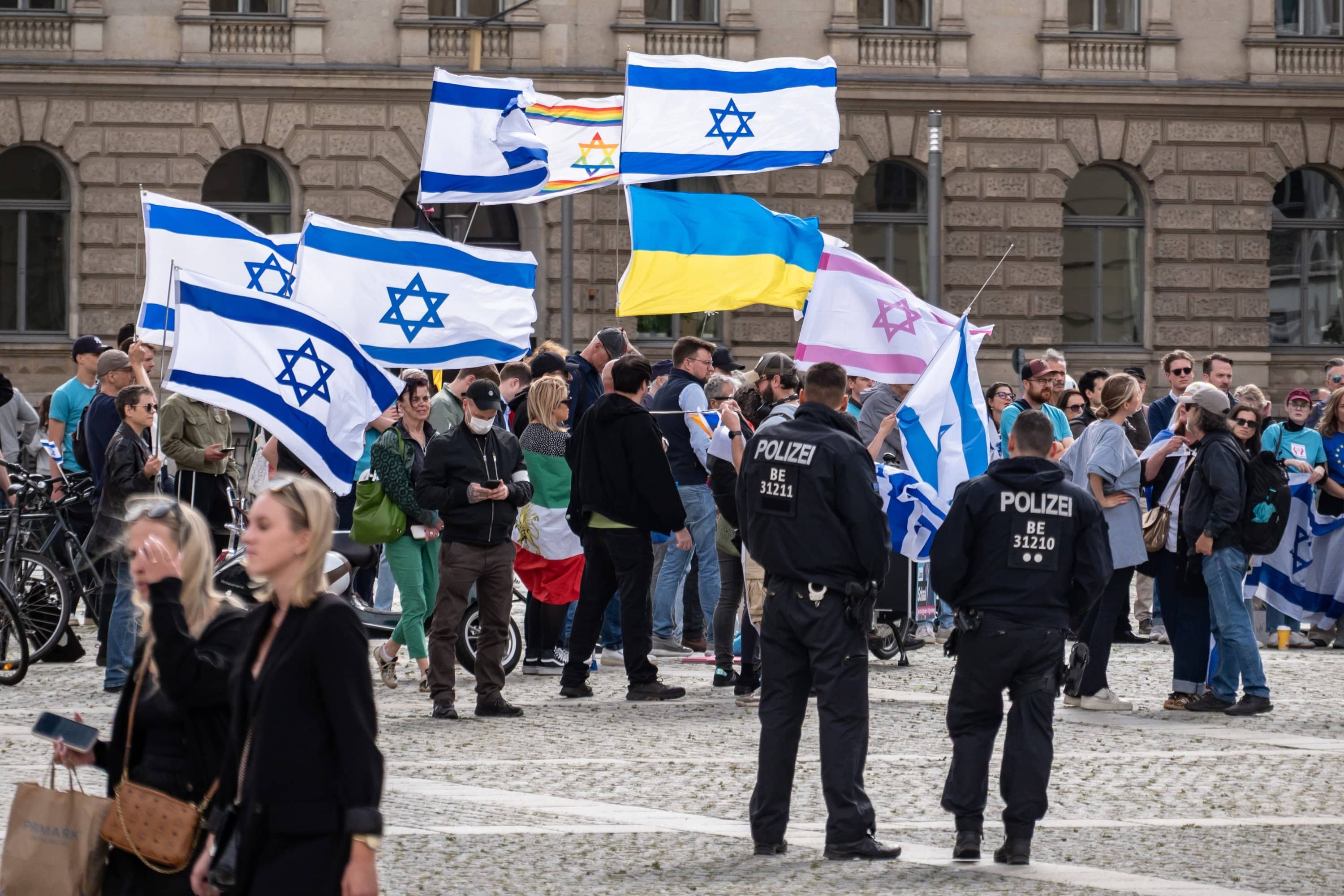
Visual evidence of this realignment has emerged in recent public demonstrations across major European cities. For instance, on Sept. 5, 2026, people were observed carrying Israeli flags during a "stop-the-left" demonstration in Berlin, Germany. The presence of national symbols at political rallies indicates a deliberate effort to signal support for the State of Israel among far-right constituencies.
This display of solidarity is part of a broader trend documented by observers. The discourse surrounding this growing alignment has moved from niche political circles into mainstream media and public debate. The widespread nature of this discourse suggests that the alignment is no longer an outlier phenomenon but a recognizable pattern within European far-right politics.
Implications for Political Discourse
The increasing visibility of Israeli flags at far-right events in cities like Berlin underscores the tangible nature of this shift. It moves the concept of alignment from theoretical political analysis to observable street-level politics. The timing of these demonstrations, occurring in 2026, places them within the context of the early 21st-century transformation noted by analysts.
Observers note that this change is significant because it challenges previous assumptions about the ideological boundaries of European extremism. The willingness of these groups to publicly align with a nation-state often viewed as a geopolitical adversary to some other political factions in Europe highlights the complexity of current political alliances.
Widespread Discourse on the Shift
The topic itself has gained traction in public commentary. The discourse surrounding the rising far-right in Europe and its growing alignment with Israel is now described as increasingly widespread. This indicates that the phenomenon is being actively discussed, analyzed, and reported by media outlets and political commentators.
Commentators point out that this shift is not isolated to a single country but appears to be a continental trend. The synchronization of such alignments across different European nations suggests a coordinated or at least ideologically linked movement. The widespread nature of the discourse implies that it is a subject of significant interest and concern for political observers.
The evolution from the antisemitic associations of the late 20th century to the pro-Israel stance of the early 21st century represents a major transformation in European far-right politics. This change is documented through both historical comparison and contemporary visual evidence, such as the demonstrations in Berlin. The current landscape is defined by this new alignment, which has become a focal point of political analysis.