

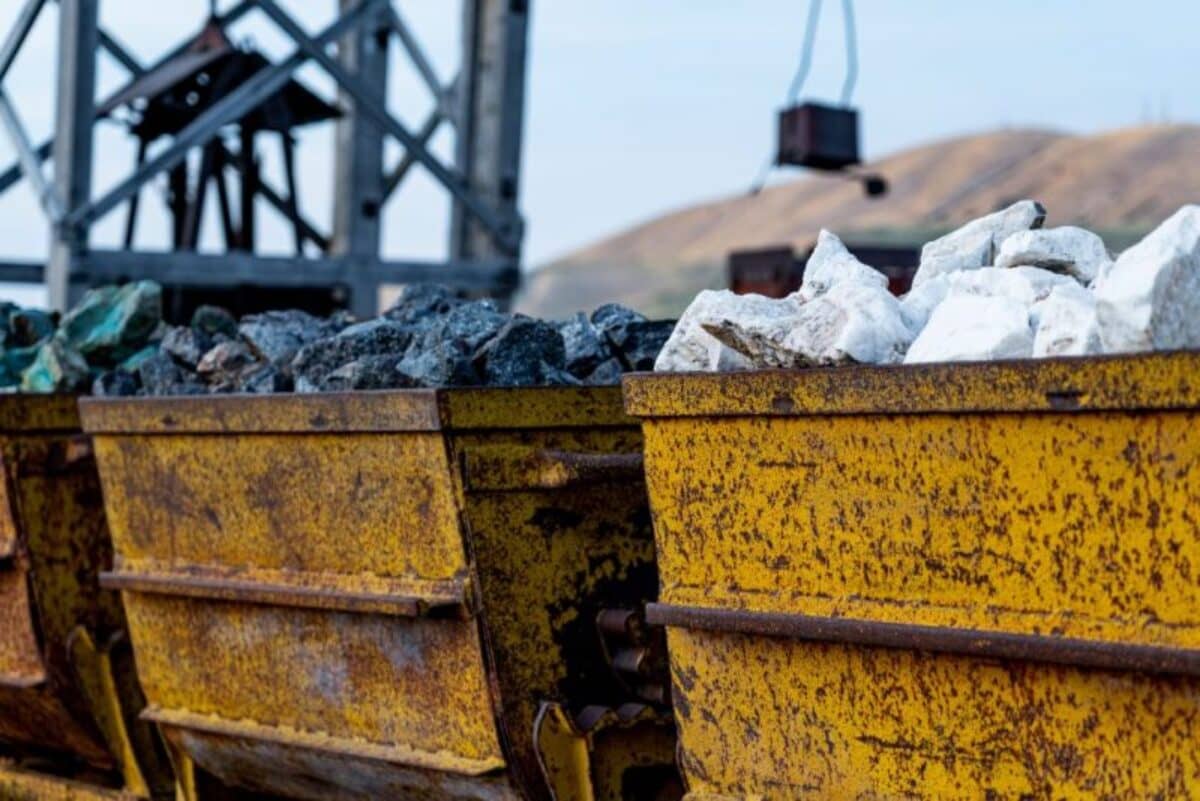

The Transition From Energy to Minerals in Global Power Structures
According to a report published by Northeast News on Friday, August 14, 2026, the global resource order is undergoing a fundamental transformation. The article, authored by Soumit Pandey and Animesh Ghosh, identifies this shift as a move away from historical energy dependencies toward a new framework centered on critical minerals.
The authors note that coal fueled the first Industrial Revolution, establishing the initial patterns of industrial and geopolitical power. Subsequently, oil defined the geopolitical order of the twentieth century. During that era, wars were fought over oil access, alliances were built around its availability, and economies rose or fell in direct correlation with its price fluctuations.
Critical minerals are now rewriting this historical playbook. The report states that these materials are reshaping global alliances, economic stability, and conflict dynamics in a manner similar to how energy resources did in previous centuries. This transition marks the emergence of what the authors describe as a "new global resource order." In this new landscape, securing access to specific raw materials has become essential for future industrial capability and geopolitical influence.
Climate Change as a Primary Driver of Resource Demand
The report identifies climate change as one of two major forces driving the current demand for critical minerals. The shift toward these resources is not merely an economic adjustment but a response to environmental imperatives that are redefining global industrial priorities.
As nations adapt to climate challenges, the reliance on traditional fossil fuels diminishes, creating a vacuum filled by materials required for green technologies and sustainable infrastructure. This dynamic is altering the strategic calculations of major powers, who view control over mineral supply chains as equivalent to the energy security that defined the 20th century.
India’s Strategic Hurdles in the New Resource Order
Within this shifting global landscape, India faces significant hurdles in securing key critical minerals. The report highlights that the nation must navigate these complex supply dynamics to ensure its economic resilience and strategic autonomy.
The authors draw a parallel between India’s current mineral challenges and the historical importance of securing energy resources. Just as previous generations secured oil supplies to maintain national power, contemporary India must secure critical minerals to sustain its industrial growth and geopolitical standing. The report suggests that failure to adapt to these new supply chain realities could impact the country's long-term economic stability.
Navigating a Transformed Geopolitical Map
The article emphasizes that the rules governing resource acquisition have changed. The alliances and conflicts previously driven by oil are now being recalibrated around critical minerals. For India, this means engaging with a global market where access is tightly controlled and highly contested.
Pandey and Ghosh argue that understanding this transition is crucial for policymakers. The report does not detail specific diplomatic maneuvers but outlines the structural necessity for India to align its industrial policy with the demands of this new resource era. The challenge lies in balancing domestic needs with the volatile nature of international supply chains.
Implications for Industrial and Geopolitical Stability
The shift toward critical minerals represents more than a change in commodity preference; it is a restructuring of global power dynamics. The report notes that just as coal and oil dictated the rise and fall of empires, critical minerals are now central to economic stability.
India’s ability to secure these resources will determine its position in the new global order. The authors suggest that the nation must actively engage with this transformation to avoid being marginalized by the same forces that once drove global conflict. The outcome of this strategic adjustment will likely influence India’s industrial trajectory and its role in international alliances in the coming decades.