

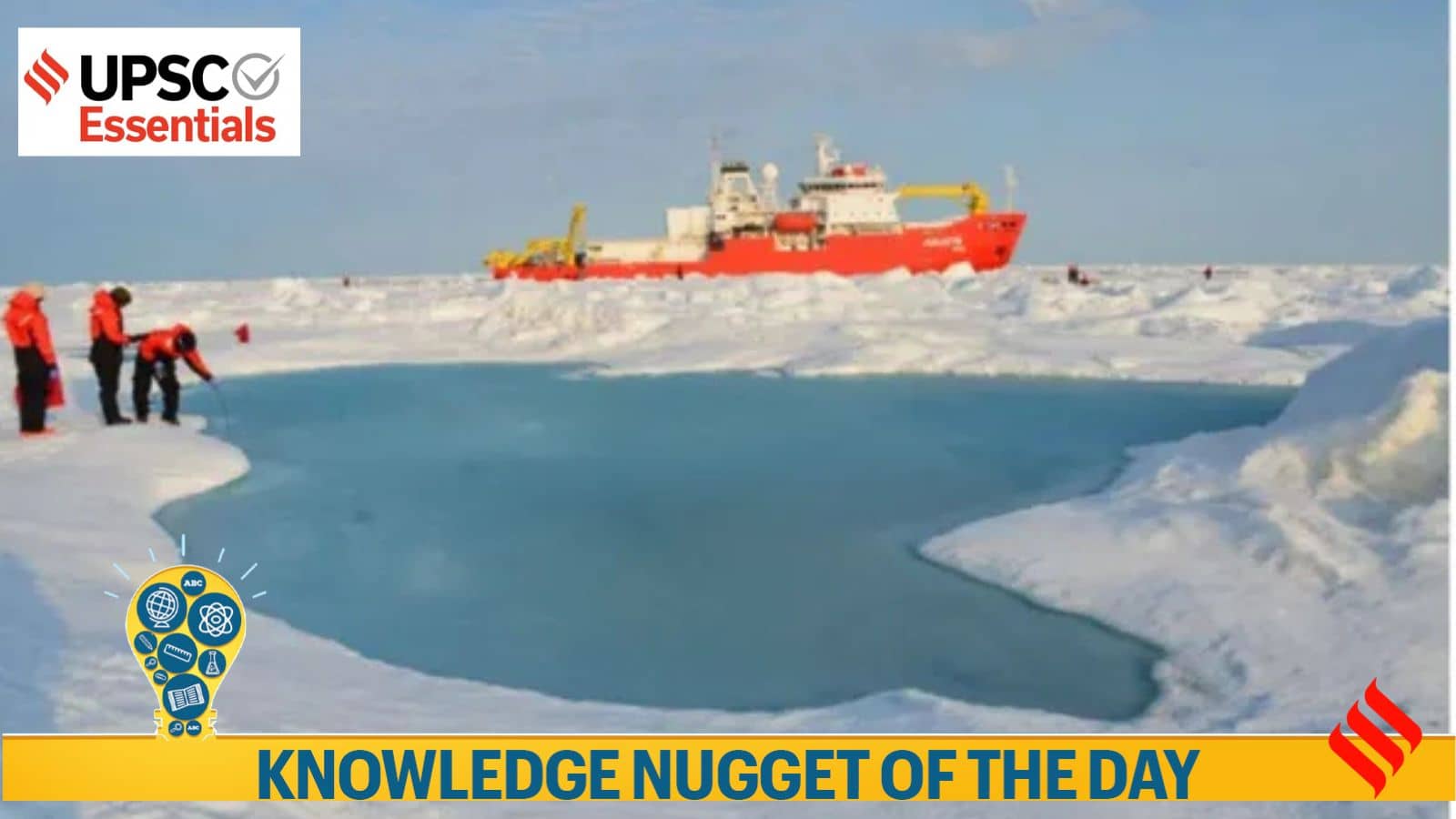

Parliamentary Push for Enhanced Diplomatic Presence
The Parliamentary Committee on External Affairs has formally recommended that the Indian government seek "full-fledged membership" in the Arctic Council. In its recent report, the committee urged the administration to take concrete diplomatic steps to strengthen India's position within the organization, signaling a significant shift in New Delhi's foreign policy priorities regarding the high-latitude region.
As part of this strategic push, the committee also advised the government to appoint a Polar Ambassador. This proposed role is intended to provide specialized diplomatic focus on issues related to the polar regions, consolidating India's engagement and ensuring a coherent strategy. Such an appointment would underscore the growing recognition within India's political establishment of the Arctic's profound influence on the nation's future.
Strategic Rationale for Arctic Engagement
The recommendation comes as India steadily expands its role as a key stakeholder in the Arctic region. The committee's report highlights that the Arctic is fast becoming a theatre of geopolitical competition, climate diplomacy, and resource security. India's increasing involvement is driven by the recognition that the Arctic's influence extends far beyond its immediate geographic boundaries, directly impacting India's climate patterns, economic stability, and strategic interests, despite the thousands of kilometers separating the Indian subcontinent from the polar circle.
The melting of Arctic ice, for instance, has direct implications for global sea levels and ocean currents, which in turn affect weather systems, including the crucial monsoon patterns over India. Beyond climate, the region holds vast untapped resources, from hydrocarbons to rare earth minerals, and the opening of new shipping lanes presents both economic opportunities and strategic challenges that India aims to navigate proactively.
A Dedicated Diplomatic Role for Polar Affairs
The proposed appointment of a Polar Ambassador is a crucial element of this enhanced engagement strategy. This specialized diplomatic position would be tasked with coordinating India's Arctic policy across various ministries, representing India's interests in international forums, and fostering bilateral relations with Arctic nations. The ambassador would provide expert insights into the complex environmental, scientific, and geopolitical dynamics of the region, ensuring that India's diplomatic efforts are well-informed and strategically aligned with its long-term national interests. This institutionalization of focus would elevate the Arctic's importance within India's external affairs apparatus.
India's Expanding Role in Arctic Geopolitics
The Arctic has emerged as one of the world's most important geopolitical frontiers. The region is witnessing intensified activity among global powers, with nations competing for access to resources and strategic advantages in a rapidly changing environment. The receding ice cover, a direct consequence of climate change, is unveiling new possibilities for resource extraction, scientific research, and maritime navigation, thereby attracting the attention of non-Arctic states like India.
Climate diplomacy has become a central pillar of this competition. As ice melts and new shipping routes open, the economic potential of the Arctic increases, drawing attention from countries that do not share a border with the region but have significant stakes in its outcomes. The strategic importance of the Arctic is further amplified by its role in global climate regulation and its potential as a future trade corridor connecting Asia and Europe.
From Observer to Aspirant for Full Membership
India has been monitoring these developments closely, having held observer status in the Arctic Council since 2013. This status has allowed India to participate in the Council's working groups and contribute to scientific research and environmental protection efforts. However, observer status does not confer voting rights or the ability to shape the Council's agenda directly. India is now positioning itself to benefit more substantially from its status as a stakeholder, aiming to convert this observational role into formal, full-fledged membership within the Arctic Council.
The push for full-fledged membership reflects a broader strategy to secure India's interests in areas such as climate change mitigation, scientific research, and sustainable resource utilization. By seeking a larger role, India aims to ensure its voice is heard in decisions that affect global climate stability, international trade routes, and the governance of a region critical to the planet's ecological balance. Full membership would grant India greater influence in shaping the norms and policies governing the Arctic.
Connecting Arctic Shifts to India's Future
The connection between the Arctic and India is multifaceted and critical. Changes in Arctic ice cover and ocean temperatures directly influence monsoon patterns and weather systems across South Asia, directly impacting agriculture, water security, and food production in India. Consequently, climate diplomacy in the Arctic is not merely an environmental issue but a matter of national security for New Delhi, affecting the livelihoods of millions.
New Economic Avenues and Trade Routes
Economically, the potential for new maritime routes through the Arctic, such as the Northern Sea Route, offers alternative trade corridors that could significantly reduce shipping times and costs between Asia and Europe. This possibility adds to the strategic interest India holds in the region's development and governance, as it could reshape global logistics and trade flows. Access to these routes could provide India with substantial economic advantages, diversifying its trade pathways and enhancing its global connectivity.
The appointment of a Polar Ambassador, as recommended by the parliamentary committee, would institutionalize this focus. It would create a dedicated diplomatic channel to engage with Arctic nations, monitor developments in resource security, and contribute to the evolution of international law within the region. This proactive approach would allow India to safeguard its economic and strategic interests in a rapidly transforming global landscape.
Securing India's Interests in a Contested Region
The Arctic Council serves as the primary intergovernmental forum for addressing issues faced by Arctic governments and indigenous peoples. Its membership is restricted to the eight states with territory in the Arctic: Canada, Denmark (Greenland), Finland, Iceland, Norway, Russia, Sweden, and the United States. Observer status is available to non-Arctic nations and intergovernmental organizations that demonstrate a sustained interest in the Arctic and support the Council's work.
India's desire for full-fledged membership suggests a long-term commitment to deepening its ties with the region, moving beyond a purely scientific or observational role. This move aligns with India's broader foreign policy objectives of establishing itself as a global power capable of engaging with all major geopolitical theaters and contributing to global governance. It signifies India's ambition to be a rule-shaper, not just a rule-taker, in critical international domains.
The report from the Parliamentary Committee on External Affairs underscores the urgency of this engagement. As the Arctic becomes more accessible and contested, the window for shaping international norms and securing strategic interests is narrowing. India's proposed actions aim to ensure it remains a relevant and influential actor in this evolving landscape, safeguarding its national interests and contributing to sustainable development and peace in the Arctic region.