


India's Pursuit of AI Code Sovereignty
Indian corporate leaders and technology experts are actively advocating for the widespread adoption of open-source artificial intelligence (AI) ecosystems as a foundational strategy to establish "code sovereignty" within the nation. This strategic push was a central theme during the inaugural edition of The Economic Times Eye on AI Dialogues, an event moderated by Himanshi Lohchab. During the discussions, industry representatives explored various approaches to ensure India retains control over critical data, AI governance frameworks, and the underlying infrastructure, all without the necessity of owning every single layer of the vast AI technology stack.
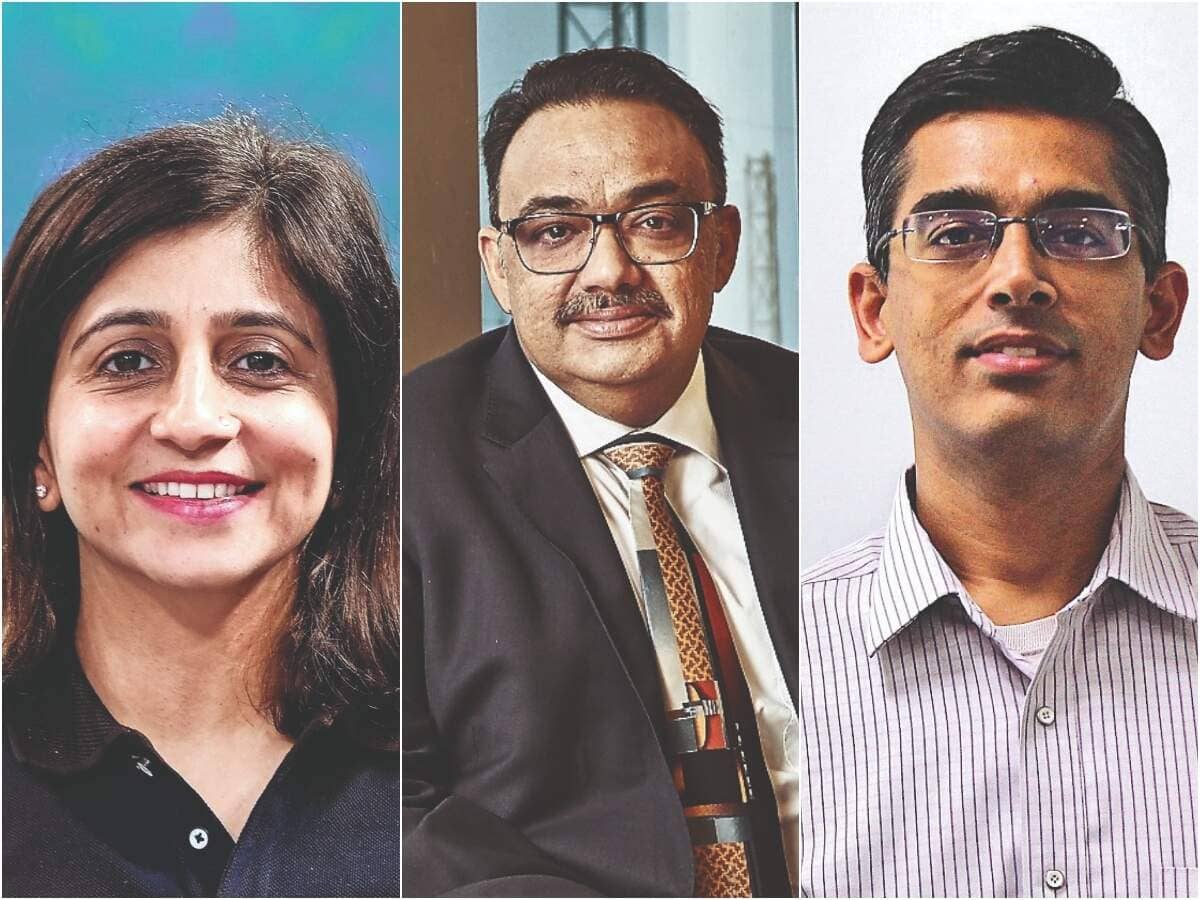
Sriram Raghavan, general manager of IBM Software, provided a nuanced perspective on the concept, emphasizing that AI sovereignty should not be perceived as a rigid, binary state. Instead, Raghavan articulated it as the crucial ability to retain "control and optionality" over the most vital components of the AI technology stack. He acknowledged the practical reality that India may not be able to own or develop every single AI layer from scratch. However, he stressed that by embracing open ecosystems and fostering optionality across the stack, the nation can effectively mitigate the risks of vendor lock-in, thereby securing its long-term technological independence.
This deliberate strategy is positioned as a robust response to the evolving global geopolitical landscape, where access to advanced AI technologies is increasingly subject to international dynamics and potential restrictions. By focusing on maintaining control and flexibility over specific, critical elements of the AI stack—rather than pursuing total ownership—Indian entities aim to skillfully navigate the intricate and often challenging international environment concerning technology access, development, and governance. This approach ensures strategic autonomy while leveraging global innovations.
Power Infrastructure: The Foundation of AI Ambition
Beyond the intricate layers of software, advanced algorithms, and cutting-edge silicon chips, India’s aspirations for leadership in artificial intelligence are profoundly reliant on the robustness and capacity of its national power infrastructure. Technology experts and industry analysts consistently underscore that the capability to sustainably deliver clean, reliable, and abundant electricity to energy-intensive facilities like hyperscale data centers and advanced chip fabrication plants is rapidly emerging as a decisive competitive advantage in the intense global race for AI supremacy.
Globally, the discourse surrounding AI leadership has evolved to encompass its multifaceted implications as an energy, industrial capacity, and national security challenge. This critical perspective has intensified among international stakeholders across various capitals. While active discussions are underway in major global hubs such as Washington, Beijing, Riyadh, Abu Dhabi, Singapore, and Kuala Lumpur, often centered on strategies to secure and fortify power grids for these emerging technological factories, the dialogue within New Delhi maintains a distinct focus. In India, the emphasis remains firmly on the foundational and indispensable role of its domestic power infrastructure in underpinning any significant AI advancement.
Analysts are increasingly asserting that the ultimate victor in the global AI race will not solely be determined by superior chip designs or more sophisticated algorithms, but rather by the resilient and expansive power grids that are capable of sustaining them. This paradigm shift is profoundly reshaping international security doctrines, influencing foreign policy considerations, driving new approaches to digital governance, and necessitating adjustments in industrial regulation. Every nation-state, including India, is now actively searching for a decisive advantage within this rapidly evolving geo-technological landscape, recognizing that energy infrastructure is a primary determinant of future AI power.
AI Reshapes Corporate Models and Service Demand
The pervasive integration of artificial intelligence into core business operations is already instigating significant transformations in corporate models and reshaping demand patterns across various industries. K Krithivasan, the Managing Director and CEO of Tata Consultancy Services (TCS), observed that AI has become an intrinsic component of nearly every client conversation. This widespread engagement signifies a crucial transition within enterprises, moving beyond initial experimentation phases towards active deployment and strategic integration of AI solutions.
TCS anticipates a tangible improvement in demand for AI-related services, projecting this upturn to commence from the September quarter. This optimistic outlook is firmly rooted in a comprehensive analysis of ongoing customer discussions across a diverse range of industries, the substantial total contract value (TCV) signed, and direct feedback garnered from their extensive network of client partners. Krithivasan specifically highlighted expectations for recovery in the manufacturing and life sciences sectors, following what had been a weaker first quarter. Conversely, the banking, financial services, and technology services sectors are projected to sustain their strong performance, further contributing to the overall growth in AI service demand.
A notable long-term projection related to AI's impact is its potential to decouple business growth from traditional headcount increases. This signifies a fundamental shift in operational models, where companies can achieve substantial growth and expand their capabilities without necessarily requiring proportional increases in their workforce size. This efficiency gain is a key driver behind AI adoption. TCS, in particular, foresees these improvements being propelled by an increase in net-new contracts and a growing prevalence of outcome-based engagements, where the focus shifts from service delivery to achieving measurable business results through AI.
International Scrutiny on AI Export Controls
India's concerted push for robust domestic AI capabilities and code sovereignty is unfolding against an intricate and increasingly scrutinized backdrop of global debates concerning technology export controls. Internationally, governments are grappling with the implications of advanced AI technologies and how to manage their proliferation. A prominent example of this global deliberation can be seen in China, where authorities are actively weighing various considerations regarding potential export curbs on critical AI technologies. This internal debate reflects a broader international trend towards strategic control over emerging technologies.
Within this context, diverse perspectives are emerging. For instance, Zhipu Founder Tang Jie has openly challenged Beijing’s more restrictive approach, advocating instead for the benefits and necessity of open AI models, even amidst discussions of national restrictions. Such internal and international disagreements highlight the complexity of balancing national security interests with the collaborative and open nature that often characterizes technological advancement.
These significant international developments profoundly underscore the urgency for nations like India to proactively establish and solidify sovereign control over their technological stacks. As governments worldwide meticulously consider and deliberate on mechanisms to regulate and control the international flow of AI technology, Indian industry leaders are increasingly vocal. They emphasize that maintaining strategic optionality, primarily through the adoption and development of open-source platforms, is not merely advantageous but absolutely essential for ensuring India's long-term strategic independence and technological resilience in the global arena.