


Contradiction in Energy Policy Sparks Diplomatic Inquiry
India has raised questions regarding the consistency of United States energy policy after President Donald Trump announced measures to facilitate Russian diesel exports to American and global markets. The announcement has prompted New Delhi to scrutinize why Washington previously penalized Indian purchases of Russian oil while now easing restrictions on similar fuel supplies for domestic use.
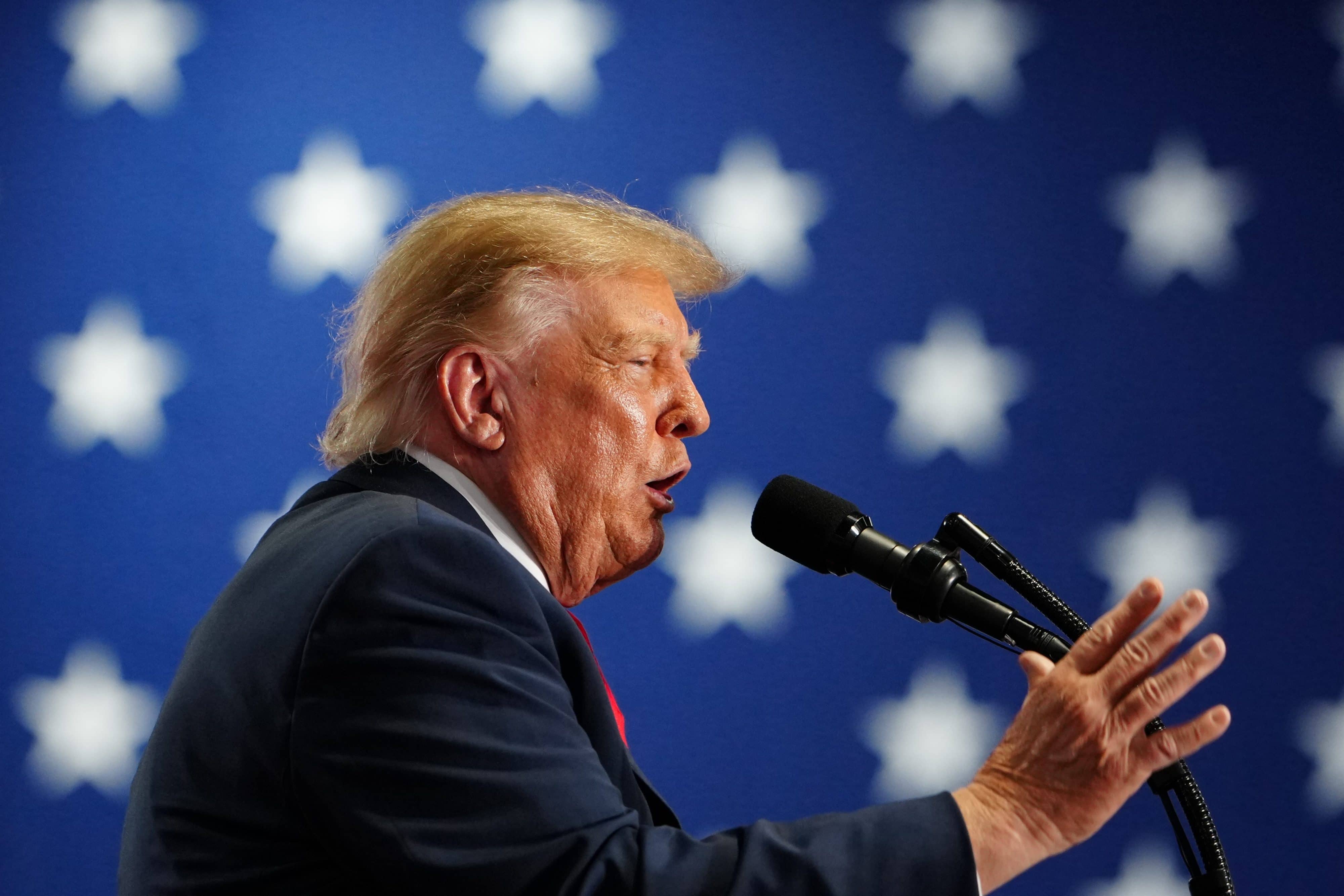
The shift in policy occurred as US fuel prices surged ahead of the November midterm elections. According to reports, President Trump announced that Russia would release more than 300,000 tonnes of diesel into US and international markets, with additional shipments planned. To support this move, the US Treasury issued a temporary license permitting specified transactions involving Russian-origin diesel until April 7, 2027.
This development marks a departure from Washington’s previous campaign to deprive Moscow of energy revenues financing its war against Ukraine. The Tribune reported that the decision highlights a contradiction between treating India’s purchases as grounds for punitive tariffs while allowing Russian-origin diesel to enter the market due to American economic pressures.
Timeline of Tariff Imposition and Removal
The current diplomatic friction stems from tariff actions taken earlier in 2025. In August 2025, President Trump imposed an additional 25 percent tariff on Indian goods, citing that the Government of India was directly or indirectly importing Russian Federation oil. The White House justified this penalty as a mechanism to pressure Moscow by penalizing countries continuing to buy its energy.
However, the status of these tariffs changed in February 2026. President Trump removed the extra 25 percent penalty after announcing that India had committed to stopping direct or indirect imports of Russian oil. A White House executive order issued on February 6 stated that India had “taken significant steps to address the national emergency,” with the tariff removal effective from February 7.
Despite the removal of the specific August 2025 penalty, broader legislative frameworks remain in place. President Trump signed the Lindsey O. Graham Sanctioning Russia and Iran Act of 2026, which authorizes tariffs of up to 100 percent on countries making significant purchases of Russian oil or natural gas. Section 113 of this legislation directs the President to increase duties on qualifying countries within 30 days of enactment, including provisions for adjustments, exceptions, and waivers.
Strategic Divergence in Energy Security
The diplomatic tension is further complicated by differing national priorities regarding energy security. India’s Ministry of External Affairs reiterated its commitment to ensuring energy security for 1.4 billion people through diversified sourcing. The ministry stated that the government would take all necessary measures to protect trade and economic interests, emphasizing that New Delhi bought Russian crude specifically for these essential energy needs.
In contrast, the US announcement concerns diesel supplies and a temporary relaxation of restrictions. Reports clarify that the license does not confirm every announced shipment has been delivered or that all promised quantities will reach American ports, highlighting the administrative nature of the policy shift rather than an immediate logistical reality.
Trade Negotiations and International Reaction
The policy flip-flop has occurred against a backdrop of strained bilateral trade relations. Finance Minister Nirmala Sitharaman said on October 5 that India-US trade negotiations had reached a “plateau,” adding that further compromise could become “very, very difficult” for both sides. This statement underscores the difficulty in reconciling US tariff threats with the current easing of restrictions on Russian fuel.
The international community has also reacted to the policy shift. Ukrainian President Volodymyr Zelensky condemned the American decision to allow Russia to sell petroleum, viewing it as a direct violation of the principles underlying sanctions against Moscow. This condemnation adds another layer of complexity to the diplomatic landscape, as India navigates its energy imports while Washington balances domestic economic pressures with foreign policy goals.