

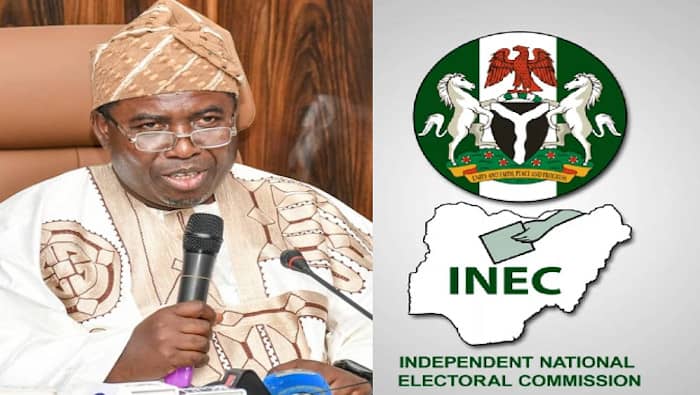

INEC Prioritizes Information Integrity for 2027 Polls
Prof. Joash Ojo Amupitan, chairman of the Independent National Electoral Commission (INEC), stated that the credibility of Nigeria’s 2027 elections relies on both the physical security of polling units and the authenticity of information available to voters.
Amupitan made these remarks in Abuja at a summit titled “Beyond the Ballot,” which carried the theme “Safeguarding Electoral Information Integrity in the Age of AI.” He emphasized that ballot integrity is contingent upon the authenticity of the information environment where citizens make their decisions.
The chairman noted that the increasing use of artificial intelligence to generate misleading content has necessitated strengthened capacity within INEC to identify, verify, and respond to digital manipulation. The commission is currently upgrading its technical capabilities to monitor public data streams for early signs of coordinated attempts to manipulate election-related information.
INEC is also improving its ability to detect deepfakes, verify suspicious media content, and issue timely clarifications through established communication channels. According to Amupitan, the commission has shifted from merely discussing the dangers of AI to conducting practical exercises designed to prepare technical and communication teams for potential disinformation campaigns.
Highlighting this shift toward action, Amupitan pointed to a recent strategic communication workshop concluded with a development partner. This exercise simulated AI-driven election-day manipulation scenarios, allowing stakeholders to practice responses in a controlled environment before the actual polls.
Call for Multi-Sector Cooperation
Amupitan called for a united front regarding information integrity, warning that INEC cannot tackle these threats alone. He urged cooperation among media organizations, technology companies, telecommunications providers, security agencies, and civil society groups to address the challenge.
The chairman specified that social media platforms must establish fast-track channels to review and respond to manipulated content that could disrupt electoral activities. He cited a hypothetical scenario involving an AI-generated video falsely announcing an election postponement as an event requiring immediate, coordinated response rather than isolated press statements.
To facilitate rapid verification, Amupitan stated that fact-checkers and independent journalists must have direct access to designated INEC communication desks to confirm operational facts within minutes. He further urged telecommunications companies and media organizations to establish reliable channels for broadcasting verified electoral information without unnecessary delays.
Directives for Media and Civil Society
Addressing journalists directly, Amupitan said, “Be the first line of verification. Speed is important, but accuracy is the currency of democracy.” This directive underscores the commission’s expectation that media outlets prioritize factual correctness over rapid dissemination during critical electoral periods.
Beyond the media, Amupitan urged civil society organizations to address digital literacy gaps in rural communities. He asked technology partners to develop tools capable of identifying harmful synthetic content specifically tailored to Nigerian languages and social contexts, ensuring that disinformation campaigns targeting local nuances are effectively countered.
Framework for Sustained Integrity
The summit also featured insights from Lanre Arogundade, executive director of the International Press Centre, who called for a coordinated and rights-respecting framework to protect electoral information ahead of 2027. Arogundade stated that Nigeria needs a trusted system for institutions to verify evidence, report incidents, communicate effectively, and learn from practical exercises.
Stakeholders are currently working toward establishing a Nigerian Information Integrity Partnership with defined responsibilities and timelines to sustain efforts beyond the summit. This partnership aims to institutionalize the cooperation discussed during the event, ensuring that information integrity remains a priority throughout the electoral cycle.
Arogundade cautioned that efforts to tackle misinformation must not undermine fundamental democratic freedoms or weaken freedoms that make democracy meaningful. He stressed that any adopted measures must respect freedom of expression and media freedom, balancing the need for accurate information with the preservation of open public discourse.