

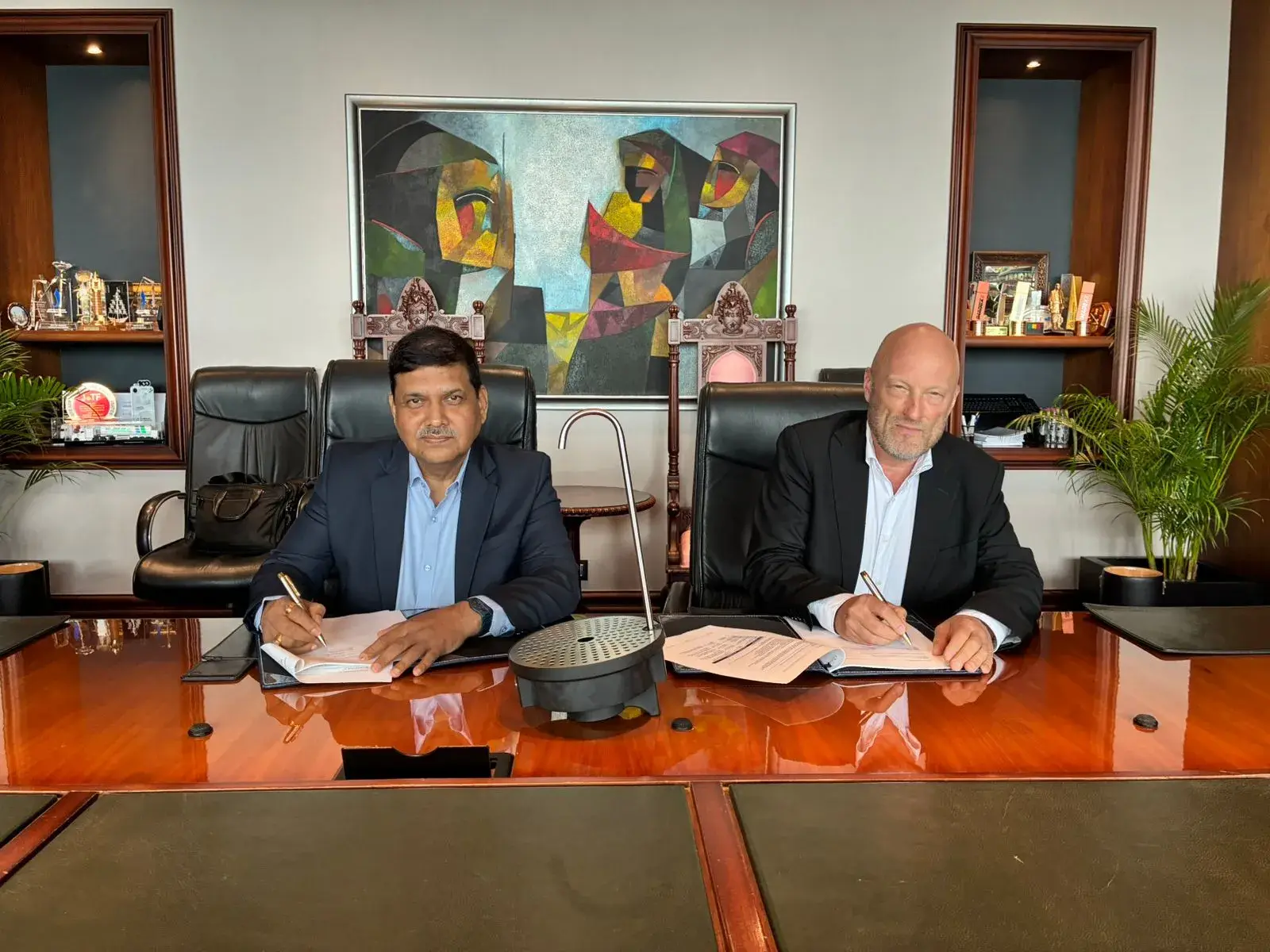

Strategic Pivot Toward Water Infrastructure
INOX India and Wayout have announced an expansion of their sustainable operations, marking a strategic shift in their industrial focus. According to reports, the companies are moving their attention from Liquefied Natural Gas (LNG) infrastructure to water technology. This transition is described as part of a broader vision for scaling sustainability within the Indian market.
The move indicates a diversification of operations for both entities. While LNG has historically been a significant component of energy infrastructure projects in India, the new focus on water technology suggests an alignment with growing demands for sustainable resource management. The companies stated that this expansion is driven by their vision to scale sustainability efforts across different sectors.
Growth Within the Renewable Energy Ecosystem
The expansion comes against the backdrop of rapid growth in India’s solar manufacturing ecosystem. Industry observers note that this sector has grown at an unprecedented pace in recent years. This growth is attributed to two primary factors: confidence within the industry itself and the government’s commitment to building a stronger renewable energy future.
Industry confidence appears to be a key driver for new investments. Companies are increasingly viewing India as a viable location for large-scale manufacturing and infrastructure development. The government’s policy support has further reinforced this sentiment, creating an environment conducive to expansion in renewable and sustainable technologies.
Implications for Infrastructure Development
The shift from LNG to water technology reflects broader trends in infrastructure development. As the country works to strengthen its renewable energy future, parallel investments in water management are becoming critical. Water technology is increasingly seen as a vital component of sustainable industrial operations.
INOX India and Wayout’s decision to enter this space aligns with the growing emphasis on environmental, social, and governance (ESG) criteria in business operations. By focusing on water technology, the companies are positioning themselves within a sector that is essential for long-term sustainability.
Market Context and Industry Trends
The Indian market has seen significant activity in both energy and infrastructure sectors. The government’s budget allocations and policy frameworks have prioritized renewable energy and sustainable development. This has led to increased interest from private sector players looking to capitalize on these opportunities.
Solar manufacturing, in particular, has emerged as a high-growth area. The rapid expansion of this ecosystem has attracted both domestic and international investment. The success of this sector has provided a model for other areas of sustainable technology, including water management.
INOX India and Wayout’s entry into water technology is viewed as a logical extension of their sustainability goals. By leveraging their experience in large-scale infrastructure projects, the companies aim to contribute to the development of robust water systems. This move is expected to have implications for how sustainable operations are scaled in India.
Future Outlook for Sustainable Operations
The expansion into water technology represents a significant step for INOX India and Wayout. It demonstrates their commitment to addressing multiple aspects of sustainability, rather than focusing solely on energy. The companies’ vision for scaling sustainability includes a diverse portfolio of solutions.
As the renewable energy sector continues to mature, the integration of water technology into broader sustainability strategies is likely to become more common. This trend reflects a holistic approach to environmental management, where energy and water resources are managed in tandem.
The government’s ongoing commitment to renewable energy provides a supportive environment for such expansions. Policy measures aimed at strengthening the renewable energy future are expected to continue benefiting companies that align with these goals. INOX India and Wayout’s focus on water technology positions them to benefit from these developments.
Operational Scaling
The concept of scaling sustainability is central to the companies’ strategy. This involves not only expanding capacity but also ensuring that operations meet high environmental standards. The shift from LNG to water technology allows for the application of existing operational expertise to new challenges.
Industry experts note that the success of this expansion will depend on the ability to navigate the complexities of water technology infrastructure. This includes regulatory compliance, technological innovation, and market adoption. The companies’ track record in LNG infrastructure may provide a foundation for these efforts.
The growth of India’s solar manufacturing ecosystem serves as a testament to the potential for rapid industrial scaling. INOX India and Wayout aim to replicate this success in the water technology sector. Their actions are closely watched by other players in the sustainability space.
As the market evolves, the focus on sustainable operations will likely intensify. Companies that can demonstrate effective scaling of green technologies are expected to gain a competitive advantage. INOX India and Wayout’s expansion is a notable example of this trend.
The transition from LNG to water technology highlights the dynamic nature of India’s industrial landscape. It underscores the importance of adaptability in achieving sustainability goals. The companies’ vision for scaling sustainability remains a key driver of their strategic decisions.