

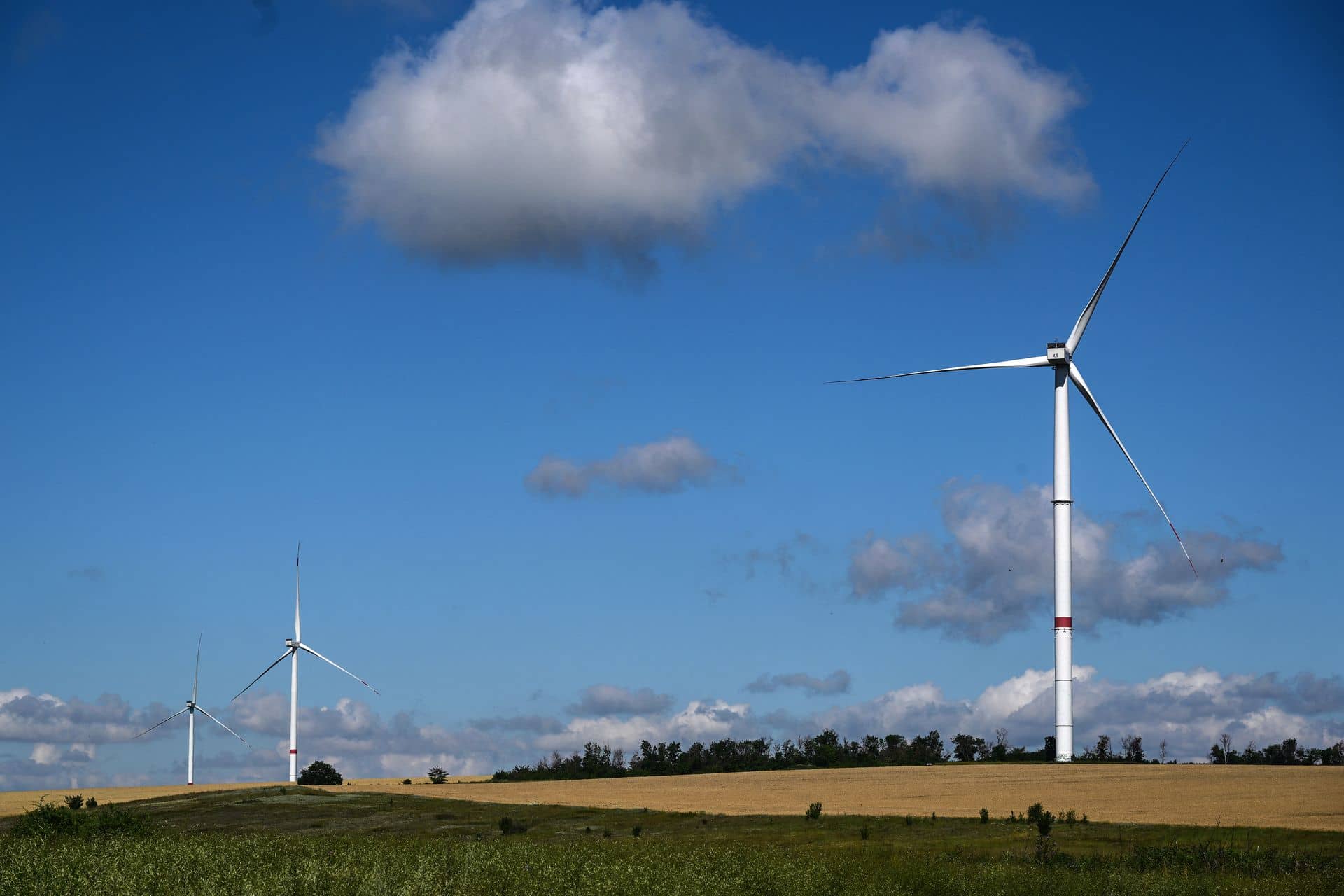

Ukraine's energy sector is open for business, provided that investors navigate the legal landscape correctly. Investment activity within the country is beginning to reemerge despite ongoing occupation conditions, with commercial and financial flows gradually returning to Ukrainian territory. This resurgence signals a growing confidence among businesses and financial entities, moving beyond initial hesitations to actively explore opportunities within the nation's critical infrastructure. The focus is increasingly shifting towards not just rebuilding, but also modernizing and greening Ukraine's energy capabilities, laying the groundwork for long-term energy independence and regional supply.
A Shift in Investor Sentiment at London International Disputes Week
Discussions held during London International Disputes Week in June highlighted a distinct change in the prevailing tone regarding economic engagement with Ukraine. The panel discussion on energy investment featured Ben Keith, who served as a barrister for 5 St Andrew's Hill, offering insights into the evolving legal and commercial considerations for international stakeholders.
The recurring theme observed at this event was that business and investment are slowly flowing back into the country even while occupation continues. According to reports from June, participants noted an interesting shift in tone among attendees. The conversation has moved away from debating whether to invest in Ukraine toward determining how to invest without suffering financial losses. This pivot reflects a pragmatic approach, where the inevitability of investment is accepted, and the focus is now on strategic execution, comprehensive risk mitigation, and contributing to the nation's recovery.
Keith observed that nobody is waiting for a peace deal before conducting their calculations or making investment decisions. Instead of halting operations pending political resolution, stakeholders are proceeding with caution and strategic planning. This proactive approach involves hedging against potential risks while simultaneously contributing to rebuilding efforts within the nation's infrastructure. Investors are seeking robust legal frameworks and innovative financial instruments to safeguard their capital, recognizing that early engagement can yield significant long-term advantages in a recovering market.
Navigating Investment Risks in a War-Affected Economy
The shift from 'whether' to 'how' to invest underscores a sophisticated understanding of the challenges inherent in a war-affected economy. Investors are not ignoring the risks but are actively seeking mechanisms to manage them. This includes exploring insurance options, engaging with international financial institutions, and partnering with local entities that possess deep market knowledge. The goal is to establish resilient investment structures that can withstand geopolitical uncertainties while contributing to Ukraine's economic stabilization and growth, particularly in the energy sector which is vital for national security and future prosperity. This strategic planning is crucial for long-term projects that typically operate on 20- to 40-year horizons.
Ukraine's Ambitious National Recovery Plan and Energy Goals
Ukraine possesses significant bioenergy potential and is geographically positioned to supply clean power to the European Union market as cross-border infrastructure develops. The country sits next door to the EU, which represents the world's largest energy import market, making Ukraine a strategically important potential energy partner for Europe's green transition and energy security initiatives.
Data from Ukraine's National Recovery Plan indicates that the total rebuilding bill for the nation amounts to an estimated $750 billion. Of this substantial figure, a significant portion—$130 billion—is specifically earmarked for initiatives focused on energy independence and green energy development alone. This substantial allocation highlights the strategic importance Ukraine places on transforming its energy sector, not just restoring it, but modernizing it with a strong emphasis on sustainability, decentralization, and self-sufficiency.
Despite these large-scale projections and the clear need for capital, actual financial inflow remains modest in comparison to the estimated requirements. For instance, energy mergers and acquisitions (M&A) totaled just $23 million in 2025. This gap between projected need and current financial flow is identified as a specific opportunity for investors willing to enter the market. The relatively low M&A activity suggests an untapped potential, where early movers can secure valuable assets and influence the direction of the sector's development before it becomes saturated.
Russian Attacks Accelerate Capital Flows into Renewables
Attempts by Russia to destroy Ukraine's energy grid have counterintuitively accelerated capital flows into renewable technologies. The systematic targeting of traditional, centralized energy infrastructure has highlighted its vulnerability, prompting a strategic pivot towards more resilient and decentralized solutions. Specific sectors seeing increased attention and investment include various forms of renewables, advanced battery storage systems, biogas production facilities, and distributed generation networks.
The destruction of traditional infrastructure has inadvertently spurred investment in alternative solutions that are inherently more resilient or decentralized. Investors recognize that reliance on centralized grids vulnerable to attack may not be the most sustainable long-term strategy for energy security. This shift is driving innovation and capital towards projects that can provide stable power generation even under challenging conditions, aligning with Ukraine's broader goals of energy independence and security through a diversified and robust energy mix.
Shaping Future Energy Regulations Through Early Investment
Energy projects typically operate on horizons spanning 20, 30, and 40 years, reflecting the long-term nature of infrastructure development and returns on investment. This extended timeline suggests that investors entering the market now will play a significant role in shaping future regulations governing the sector. Their early engagement and capital deployment will establish precedents and influence the legislative framework that will guide subsequent development phases, making their input invaluable.
The investors who enter Ukraine's energy markets under sensible terms are expected to be the ones who set the rules for subsequent development phases. This means that early entrants have a unique opportunity to influence regulatory frameworks before they become entrenched or overly restrictive. By participating in the market's formative stages, these investors can help craft a regulatory environment that is both investor-friendly and conducive to sustainable energy development, balancing commercial interests with national strategic objectives for energy security and environmental sustainability.
Access to Ukraine's power grid for foreign and domestic investors is contingent upon the clarification of regulations through new legislation. Without clear legal pathways and transparent regulatory frameworks, potential capital remains hesitant despite the availability of significant opportunities in renewables and green energy initiatives. The development of robust and predictable legislation is therefore critical to unlocking the full potential of foreign direct investment in Ukraine's energy transformation, providing the certainty investors require.
Developing Cross-Border Infrastructure for European Energy Supply
When cross-border infrastructure matures between Ukraine and its neighbors, particularly within the EU context, Ukraine could become a major supplier of clean power to Europe. The strategic development of transmission lines and interconnectors is essential for realizing this potential export capability, allowing Ukraine to leverage its abundant renewable energy resources to meet European demand. This integration would not only benefit Ukraine's economy but also enhance Europe's energy diversification and climate goals.
The substantial bioenergy potential inherent in Ukrainian soil offers another significant avenue for investment. Utilizing agricultural resources for energy production aligns with broader European goals regarding renewable sourcing and reduces dependence on imported fossil fuels from less stable regions. As cross-border infrastructure develops, Ukraine's capacity to generate and export clean energy will not only bolster its own economy but also contribute significantly to Europe's energy security and decarbonization efforts, solidifying its role as a key player in the continent's green energy future.