

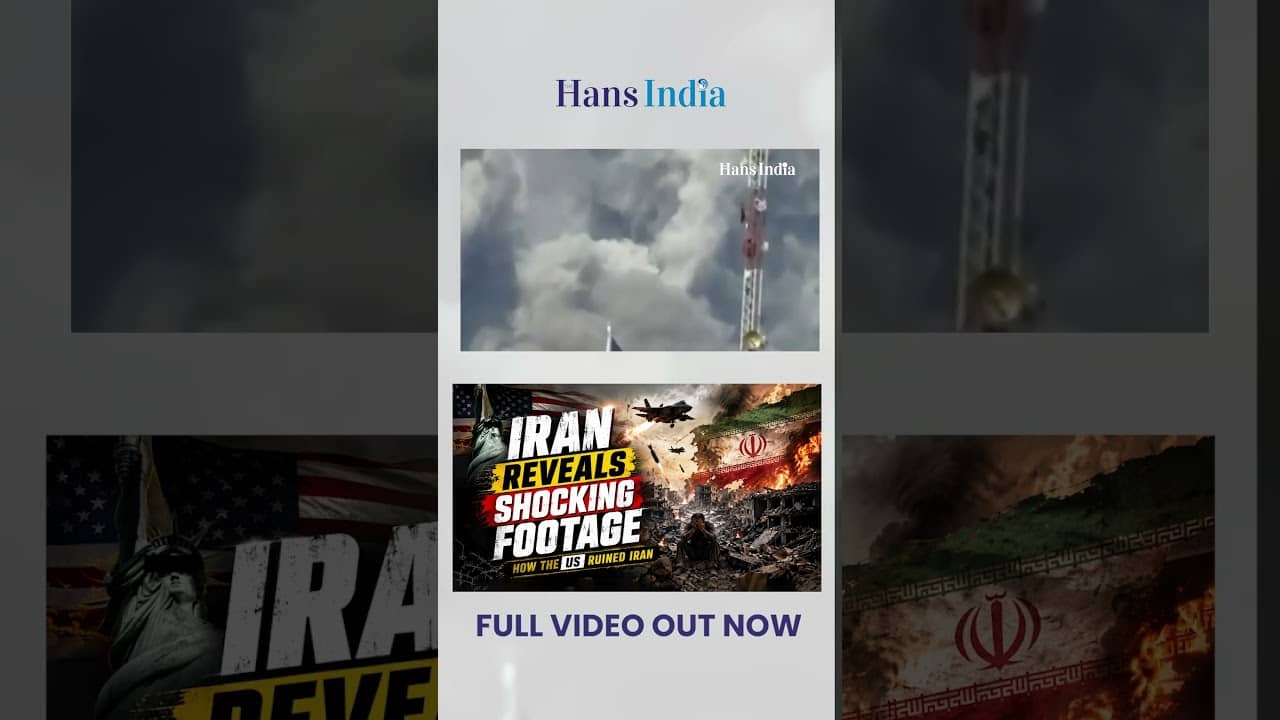

Iran's Unexpected Video Release Draws Media Attention
The Islamic Republic of Iran has recently made public a video that has immediately captured the attention of various media outlets, prompting strong characterizations. A report published by The Hans India, a prominent news organization, described the footage as "shocking." This descriptor was prominently featured in the publication's headline, "Iran Reveals Shocking Footage!", signaling the perceived gravity and unexpected nature of the content to its readership.
The use of such a potent adjective like "shocking" by The Hans India serves to immediately convey a sense of urgency and profound impact, even in the absence of specific visual details. This editorial choice highlights the immediate effect the footage is intended to have, or is perceived to have, on viewers. Without further elaboration on the video's content, the term itself becomes the primary lens through which the public is invited to interpret the release, creating an immediate sense of intrigue and concern.
Crucially, the initial reporting from The Hans India did not provide an in-depth account of the specific events depicted within the video. Details such as the identity of any individuals shown, the precise location where the footage was captured, or the exact sequence of actions portrayed were not elaborated upon. This absence of granular detail means that the full scope and context of the "shocking" events remain unconfirmed and open to interpretation based solely on the media's characterization, leaving observers to ponder the nature of the disclosed material.
Unraveling the Impact of a Singular Descriptor
The decision by a media outlet to label content as "shocking" without immediate accompanying specifics can have several effects. It generates significant curiosity and prompts audiences to seek further information, while simultaneously shaping initial perceptions before any concrete facts are widely known. In this instance, the term is attributed directly to the source's description of the material, rather than being an independent assessment by multiple verifying bodies. This reliance on a singular characterization underscores the preliminary nature of the reporting surrounding this significant release and places a considerable weight on the initial framing.
The circumstances surrounding the video's creation and its subsequent release by Iranian authorities were also not detailed in the available source material. This lack of background information leaves a considerable void in understanding the strategic intent behind the release, whether it is aimed at a domestic audience, international observers, or specific geopolitical actors. The absence of such context means that any analysis of the video's potential implications must currently proceed without a clear understanding of its origins, the entities responsible for its production, or its intended purpose, making a full assessment challenging.
Scarcity of Specifics Clouds Understanding
Reporting on this particular release has been notably sparse concerning substantive details that would allow for a comprehensive understanding of the footage. The Hans India article, accessible via the URL https://www.thehansindia.com/cinema/videos/iran-reveals-shocking-footage-1095903, stands as the primary reference point for this developing story. A notable aspect of this URL is the categorization of the article under "cinema." This structural element suggests a potential connection to the broader realm of film, visual media production, or documentary work, rather than a direct news or political category.
However, the report itself does not explicitly confirm whether the footage is a component of a cinematic production, a documentary piece, raw unedited material, or another form of visual media. This ambiguity arising from the URL's categorization adds another layer of complexity to the interpretation of the release. It raises questions about the nature of the content: Is it a polished production designed for propaganda, a strategic leak of raw footage, or an artistic piece intended to convey a message? Without further clarification, the precise nature and intent behind the video's format remain speculative, complicating efforts to discern its true significance.
Absence of Official Commentary and International Response
A significant aspect of the initial reporting is the lack of official statements from Iranian government entities, military branches, or other authoritative bodies that might typically accompany such a release. The provided source context does not cite any such pronouncements, which would ordinarily offer crucial insights into the official narrative or purpose behind the footage. This absence means that the release currently stands without an explicit governmental explanation or justification, leaving its interpretation largely to external observers and media characterizations, which can lead to varied and potentially conflicting analyses.
Furthermore, the initial reports did not include any responses or reactions from opposing parties, international observers, or other governments. In the context of international relations, the release of potentially sensitive or "shocking" footage by a nation-state often elicits immediate reactions from global stakeholders, including condemnations, expressions of concern, or calls for clarification. The current lack of such responses means that the broader geopolitical impact or the immediate international reception of the video cannot be ascertained from the available information. This void makes it challenging to gauge how the footage is being perceived on the global stage or what diplomatic ramifications it might entail, if any.
The immediate focus of the initial reports appears to be on the announcement of the footage's existence and its described impact, rather than a detailed analytical examination of its contents or implications. This indicates that observers and media outlets are, for the time being, largely relying on the descriptors provided by the original publisher to understand the significance of the release. This reliance underscores the critical role of initial framing in shaping public discourse around events where detailed information is scarce, and official channels remain silent.
Single Source Shapes Initial Narrative
The entirety of the information concerning this event, as presented in the current understanding, is derived exclusively from the report published by The Hans India. The article's headline, "Iran Reveals Shocking Footage!", is indicative of the editorial stance and the immediate impact the publication sought to convey to its readership. This singular attribution is a key factor in how the narrative surrounding the video has been established and disseminated in its initial stages.
No other news organizations, independent fact-checking bodies, or international media monitors are cited in the provided context as having independently verified the content of the footage or offered additional commentary or analysis. This means that the initial public perception and understanding of the Iranian video are heavily influenced by the editorial choices and descriptive language employed by one specific news outlet, without the benefit of corroborating reports or diverse perspectives that typically emerge with significant international news.
As is common with breaking international news, particularly when official channels are silent or details are withheld, reporting often evolves significantly as more information becomes available and additional sources emerge. Current knowledge is therefore limited to this initial announcement and its characterization by The Hans India. Future developments, including potential official statements from Iran, independent verification by other media organizations, or reactions from international bodies, will be crucial in providing clarity on the origin, specific content, purpose, and broader implications of the video evidence released by Iran, allowing for a more complete and nuanced understanding of the event.