Full story
Business Owner Challenges Labor on Visa Proposals
Rhiannon Druce, co-owner of the Junee Licorice and Chocolate Factory in the Riverina region, has urged Labor politicians to spend time running a business before introducing policies that impact regional employers.
Druce, 32, raised concerns regarding the Federal Government’s proposed changes to working holiday visas. She warned that a new ballot system for backpackers seeking to stay in Australia for a second or third year could make it more difficult for regional businesses, which are already struggling with labour shortages, to attract workers.
About 10 per cent of the factory’s 70 employees are backpackers, who help the business meet its staffing needs. Under the proposed system, working holidaymakers (WHMs) would still need to complete 88 days of eligible regional work to qualify for a second-year visa, and six months for a third year.
However, meeting those requirements would no longer guarantee an extension. Instead, eligible applicants would enter a ballot for a limited number of places.
Druce fears this uncertainty will discourage backpackers from travelling to regional areas if completing the required work no longer provides a reliable pathway to another year in Australia.
“We’ve got people that have done their 88 days in our region and seen how great the life is out here in the Riverina, so come back to work for us,” Druce said. “That’s what we’re afraid of losing.”
She warned that without incentives, backpackers are likely to stay at Bondi rather than travel to regional areas.
Druce called on Labor politicians to better understand the pressures facing employers before introducing new policies.
“I think the first thing Labor need to do is to come and actually run a business for a month and see how the policies they’ve put in place can hinder their ability to run a business,” she said.
She noted that there seems to be a new policy with which employers have to adhere every time, citing HR policies, payroll tax, or hours allowed to be open.
“If you put yourself in our shoes, you’d be more empathetic to our cause,” Druce added.
Political Reactions and Sector Impact
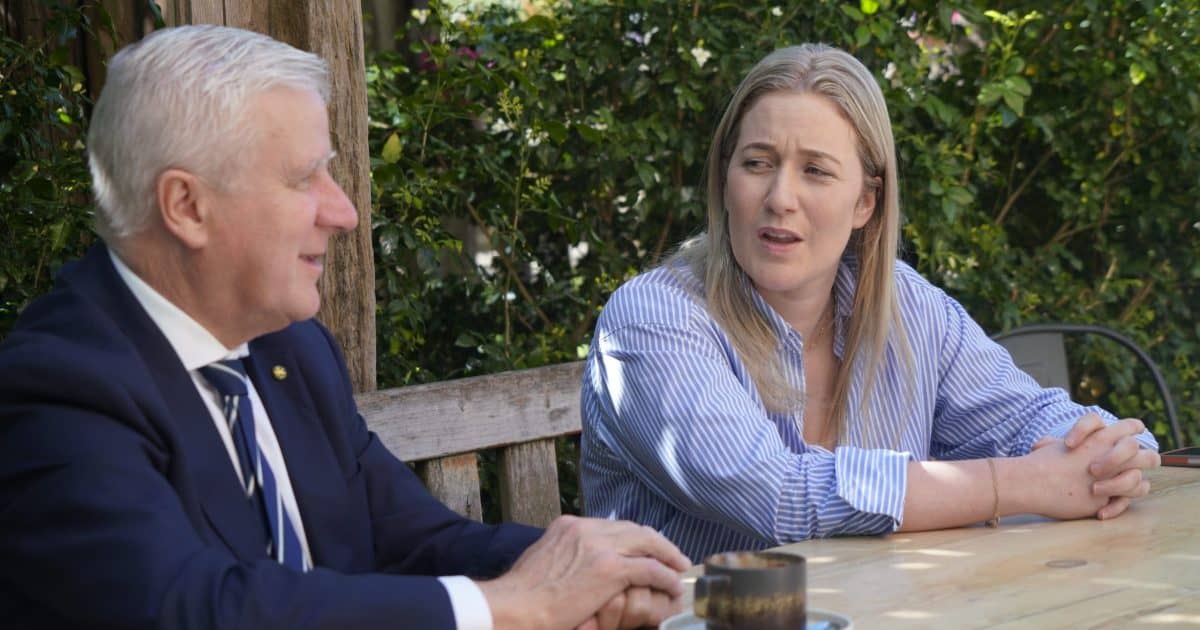
Druce recently took National Party Riverina MP Michael McCormack and senator Matt Canavan on a tour of the factory, raising concerns about the proposed visa changes and their potential impact on regional employers.
Responding to critics who say small businesses should employ local workers rather than rely on temporary overseas staff, Druce said, “They’re the same people saying AI robots can do hospitality jobs.”
She argued that there are a lot of backpackers who do jobs that frankly a lot of local workers might be unwilling to do. Druce stated that if working holiday visa workers were taken out of play, it would have a massive impact on the sector and cafes would struggle to stay open seven days a week.
Mr McCormack said the Coalition would give regional work greater priority in the working holidaymaker visa program if elected to government.
“Labor’s ballot system is rushed and unfair, which disadvantages the farmers and regional communities, which rely on seasonal backpackers,” Mr McCormack stated.
He added that the Coalition will develop a new agriculture visa to meet the needs of that critical sector in regional Australia, including right here in the Riverina. Mr McCormack said they will prioritise skilled migration to ensure it is plugging their most critical needs, maximising the quality of applicants and the
Family Business Roots
The Junee factory is a family business established by Ms Druce’s parents, after her father Neil Druce bought the town’s disused flour mill in 1998.
Licorice production began in 2001, followed by chocolate in 2003. Ms Druce grew up around the business before joining the family operation, working in sales and marketing.
Despite her outspoken views on business policy, she has hosed down speculation she may enter politics.
“I think I’ll stick to chocolate, it’s what I know best,” Ms Druce stated.