


Leadership and Project Scope
The Atikamekw Nation is leading a proposal to transport Western Canadian gas to Europe through Quebec. The initiative, known as Kino Aski LNG, represents one of the largest Indigenous-led liquefied natural gas projects in Canada.
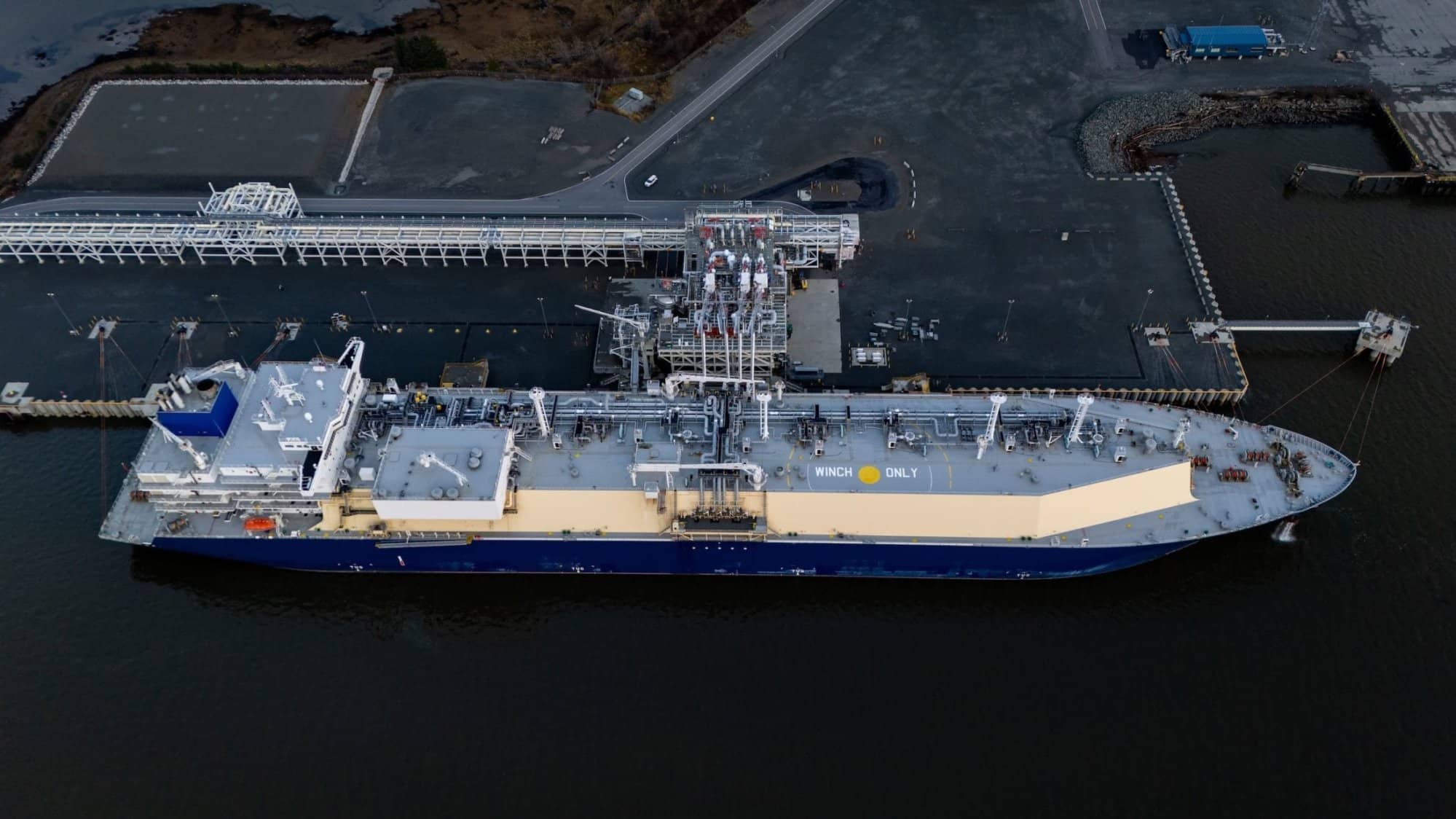
Yves Crits, chief executive of Kino Aski LNG, described the project as a US$23-billion effort to ship Western Canadian gas from Quebec’s North Shore. The plan involves floating facilities capable of liquefying up to 15 million tonnes of LNG annually.
Crits stated that the project would pipe mostly fracked gas from Western Canada through approximately 1,000 kilometers of new pipeline to Baie-Comeau. He noted that the proposed facility would be larger than British Columbia’s Ksi Lisims LNG, which produces 12 million tonnes a year, Cedar LNG at about three million tonnes, and Woodfibre LNG at about two million tonnes.
Crits argued that Europe requires gas supplies. "If it doesn't come from the East Coast, it will come from the West," he said. He added that West Coast LNG bound for Europe must cross the congested Panama Canal unless a shorter route through Quebec is established.
Opposition and Pipeline Routes
The proposal faces pushback from other First Nations, specifically local Innu and Anishinaabeg nations who are not convinced by the plan. A presentation obtained by The Narwhal indicates that Kino Aski has mapped three possible pipeline routes and presented them to the federal government.
The mapped options include a route through Atikamekw territory, a path farther north toward Cree lands, or a corridor along the path of GNL Québec's defunct pipeline proposal. Crits stated that these mapped routes were rough corridors drawn without accounting for environmental constraints. He noted that a new route accounts for these constraints but has not yet taken into account input from Indigenous communities.
The presentation proposed launching environmental studies and the regulatory process by mid-October, a target date that has already passed. No regulatory process has begun for Kino Aski LNG.
Government Engagement and Marketing
On October 30, leaders from Canada and the European Union gathered in Montreal and agreed to study exporting liquefied natural gas to Europe. This diplomatic alignment coincides with aggressive marketing efforts by the Canadian government to secure financial backing for domestic energy projects.
Ottawa is actively pitching the Kino Aski project to international investors. A federal prospectus prepared for the Canada Investment Summit, hosted by Prime Minister Mark Carney in Toronto in September, promoted Kino Aski's "ultra-low-emission LNG" and invited investors to take an equity stake in the venture.
To support these marketing claims, Kino Aski is pitching itself as a "low carbon" initiative. The company states it plans to build wind turbines across the province to sell energy to Hydro-Québec, a strategy designed to offset the project's energy use and mitigate its environmental footprint.