


Unifying Fragmented Information Streams
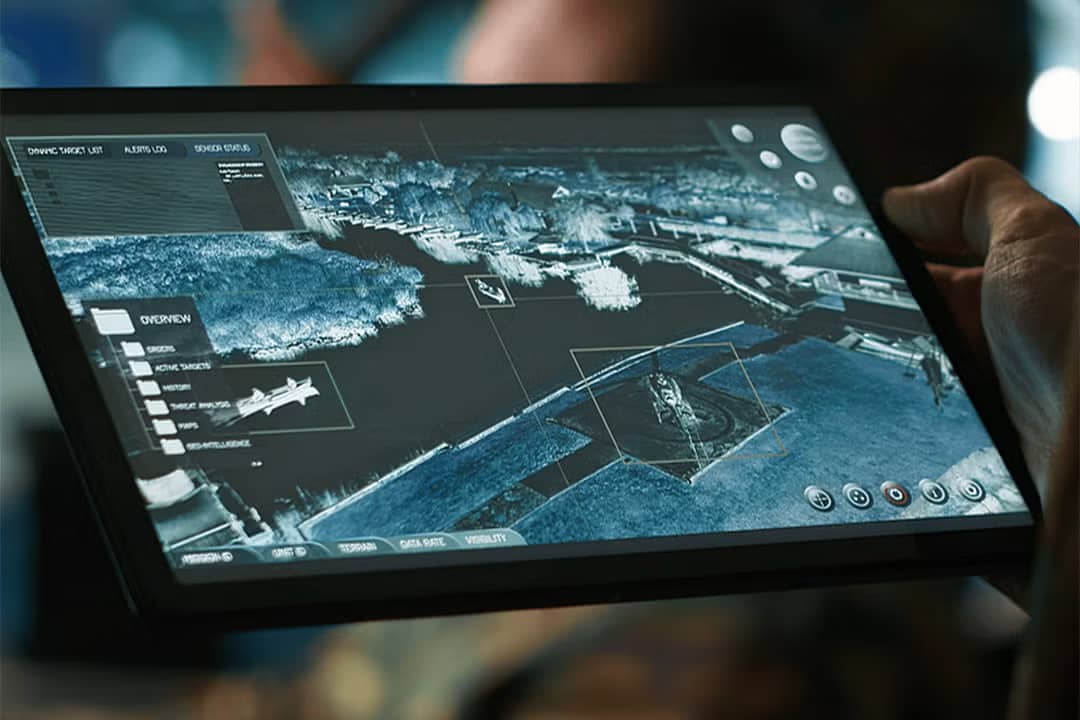
Military and defense organizations are increasingly relying on a "common operating picture" (COP) to manage the complexity of modern operations. According to MAG Aerospace, a COP functions as a single dashboard that combines information from numerous disparate sources into one shared view. This integration allows all involved parties to see the same situation simultaneously.
The global operational landscape is characterized by vast streams of unstructured data, rapidly shifting geopolitical supply chains, and the deep integration of artificial intelligence into daily workflows. In this environment, organizations that do not utilize a common operating picture may face a "hidden tax" consisting of wasted time searching for updates, working with outdated information, or attempting to piece together conflicting versions of the same situation.
This inefficiency manifests in delayed emergency responses, supply chain disruptions, and lost battlefield awareness. By sharing a unified knowledge base across organizations, departments, or jurisdictions, teams can plan collaboratively and efficiently, ensuring that everyone maintains the same situational awareness at any given time.
Accelerating the Decision-Making Cycle
The implementation of a COP serves as the central nervous system for high-stakes operations in military, government, and commercial sectors. It is designed to achieve decision superiority by fusing multi-domain intelligence, mapping systems, and real-time sensor data into a single, cohesive interface.
This technology helps reduce cognitive overload and accelerates the Observe-Orient-Decide-Act (OODA) loop. The OODA loop is a decision-making framework that enables leaders to make fast, accurate decisions under pressure. Through the integration of agentic artificial intelligence, zero trust architectures to prevent hacking, and standardized messaging protocols such as Cursor on Target, organizations can transform fragmented data into unified, actionable intelligence for frontline operators.
Historically, information during a crisis swung between an overwhelming flood of raw data and a lack of reliable information necessary to understand events. Organizational structures, rigorous training protocols, and legacy technologies struggled to generate an accurate, complete, and current picture of the situation. The COP addresses this by combining information from various sources to create a complete picture, allowing well-analyzed data to help teams focus attention and resources where they will make the most difference.
Shifting from Monitoring to Active Intelligence
The adoption of common operating picture technology helps shift strategies from passive data monitoring to active situational intelligence. This transition enables teams to identify potential problems earlier and make informed decisions before small issues become bigger ones.
For defense organizations, combining information from drones, sensors, intelligence systems, and personnel in the field allows commanders to better understand changing conditions and coordinate their next moves. By fusing these diverse inputs, the system provides a comprehensive view that was previously difficult to achieve.
This unified approach establishes a head start over the enemy by ensuring that frontline operators have access to timely, accurate, and actionable intelligence. The ability to process multi-domain data in real-time transforms how military forces respond to threats, moving beyond reactive measures to proactive management of the operational environment.