

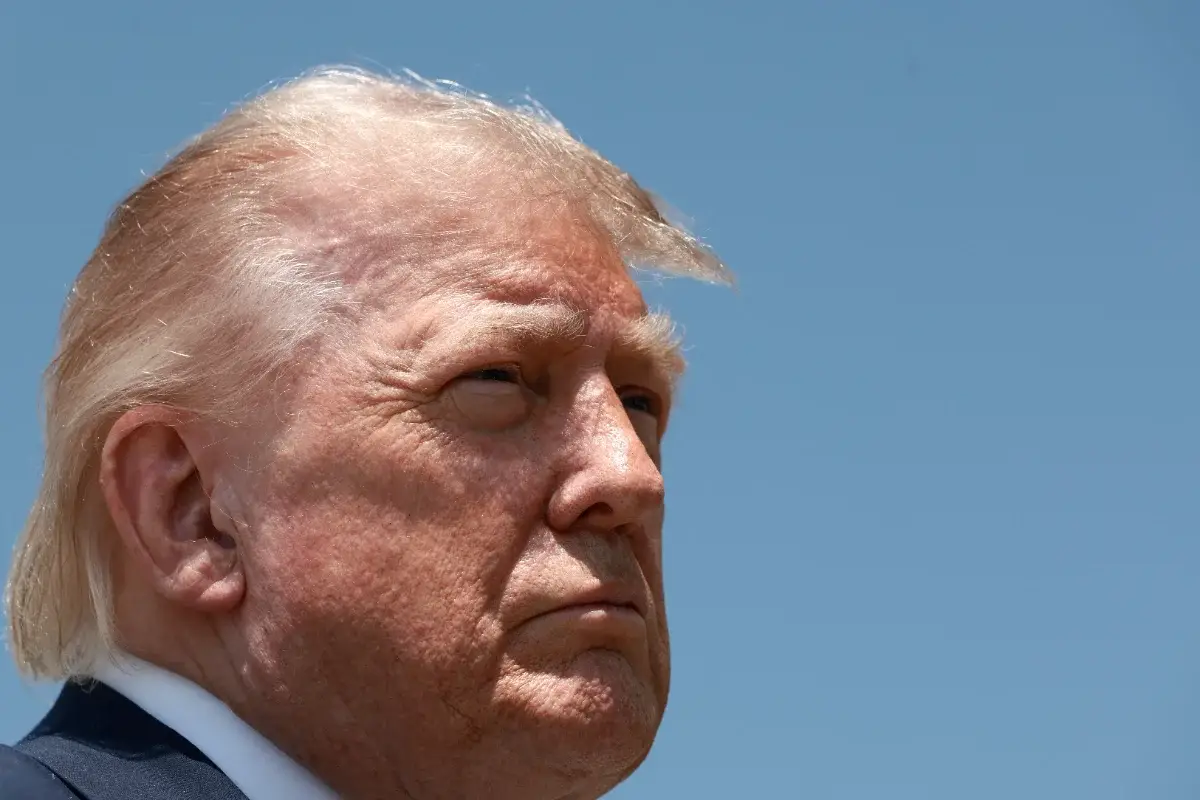

Trump's Peace Initiatives Reportedly Stalled
American President Donald Trump has reportedly attempted to advance efforts toward a peace settlement regarding the ongoing conflict in Ukraine. According to recent reporting, these specific initiatives, aimed at fostering a resolution, have now stalled. This development comes amid a complex geopolitical landscape, where various international actors are navigating the protracted conflict.
The current situation presents a notable contrast between potential United States policy directions and the robust actions being taken by other major military alliances involved in the region. Analysis suggests that while political maneuvering and diplomatic overtures occur within Washington, distinct and potentially divergent trajectories are forming elsewhere among allied nations concerning the future of support for Ukraine.
Washington's Shifting Diplomatic Posture
The reported stalling of President Trump's peace efforts introduces an element of uncertainty regarding the United States' immediate diplomatic posture toward the conflict. Such a pause in high-level peace initiatives can influence the broader international approach to the crisis, potentially prompting other stakeholders to re-evaluate their strategies. This dynamic underscores a period where the traditional alignment of diplomatic efforts among Western powers may be experiencing shifts.
The implications extend beyond mere diplomatic channels, touching upon the strategic expectations of both Ukraine and its international supporters. The absence of active, high-profile peace negotiations from a key global player like the U.S. can reshape the narrative and practical approaches to conflict resolution, pushing other alliances to solidify their own long-term commitments.
NATO Bolsters Long-Term Support for Ukraine
In a parallel and contrasting development, the North Atlantic Treaty Organization (NATO) is currently deepening its long-term commitment to Ukraine. This strategic move encompasses both significant financial and military dimensions, as indicated by available research notes. The alliance's actions represent a substantial and sustained shift in resource allocation, specifically geared toward supporting Kyiv over an extended period, rather than focusing solely on immediate needs.
This deepening commitment signals a collective resolve among NATO members to ensure Ukraine's capacity for defense and resilience. It reflects a strategic outlook that anticipates a prolonged period of engagement, regardless of the immediate status of peace negotiations. The commitment aims to provide a stable foundation of support, enabling Ukraine to continue its defense efforts and rebuild critical infrastructure.
Sustained Aid and Strategic Resource Allocation
The nature of NATO's deepening commitment involves a comprehensive approach to aid. This includes the provision of advanced military equipment, ammunition, and training programs designed to enhance Ukraine's defensive capabilities. Concurrently, the financial dimensions of this commitment are crucial for sustaining the Ukrainian state, supporting its economy, and facilitating humanitarian efforts amidst the ongoing conflict. This strategic resource allocation underscores a long-term investment in Ukraine's sovereignty and security, reflecting a belief in the necessity of sustained international backing.
The alliance's emphasis on a long-term approach suggests a recognition that the conflict's resolution may not be imminent through diplomatic means alone. Therefore, the focus shifts to strengthening Ukraine's position on the ground and ensuring its ability to withstand aggression through robust and continuous support mechanisms established through collective security arrangements.
Divergent Strategies Among Western Allies
Observers note that the deepening commitment by NATO stands in stark contrast with potential shifts occurring within United States policy regarding the Ukraine conflict. This divergence suggests differing priorities and strategic assessments between American leadership, particularly under reports of stalled peace efforts, and other member states of the broader alliance structure. The situation highlights a complex interplay of national interests and collective security objectives.
The research indicates that President Trump's previous efforts to push for a peace settlement have reportedly stalled, creating an environment where alternative strategies are being actively pursued by allied nations. These strategies are being developed and implemented outside direct US control at this moment, signifying a proactive stance by other NATO members to fill any perceived void or address differing strategic imperatives.
Alliance Members Chart Independent Courses
The pursuit of these alternative strategies by allied nations underscores a growing autonomy in their approach to the conflict. While collective security remains a cornerstone of NATO, the reported stalling of US-led peace initiatives appears to have prompted other members to solidify their own long-term plans for supporting Ukraine. This includes not only military and financial aid but also potentially greater coordination among European members on defense industrial capacity and strategic planning.
This independent charting of courses reflects a commitment to stability in Eastern Europe and a determination to support Ukraine's sovereignty, even if the diplomatic pathways from all major Western powers are not perfectly aligned. The actions taken by NATO members collectively demonstrate a resolve to maintain pressure and support for Kyiv, irrespective of the fluctuating diplomatic landscape.
Implications for the Conflict's Trajectory
The simultaneous development of stalled peace initiatives and increased military and financial commitments from NATO members carries significant implications for the conflict's trajectory. This scenario suggests that while diplomatic efforts may continue on various parallel tracks, the primary emphasis for many international actors has shifted towards substantive support mechanisms provided through the alliance framework, preparing for a prolonged engagement.
No specific dates or timelines have been attributed to these policy shifts in the available documentation, though the contrast between current actions and potential future directions remains clear according to source materials. The overarching focus appears to remain on sustaining long-term engagement and bolstering Ukraine's capabilities, rather than an immediate cessation of hostilities based solely on reported diplomatic channels.
Defining the Geopolitical Landscape
The deepening commitment by NATO represents a sustained approach that differs from what might be expected if peace settlement efforts were proceeding smoothly under previous administrations or with unified diplomatic backing. This distinction highlights the inherent complexity of current geopolitical dynamics, involving multiple international actors with varying objectives and timelines for conflict resolution. The interplay between these different approaches continues to define the strategic landscape surrounding the conflict in Eastern Europe.
While some sources discuss potential policy shifts within the United States, others strongly emphasize the ongoing support structures established through collective security arrangements within NATO. This dual focus on potential changes in one major power's stance versus the solidified commitment of a collective alliance shapes the expectations for the conflict's duration and ultimate resolution, underscoring a period of dynamic and evolving international relations.