

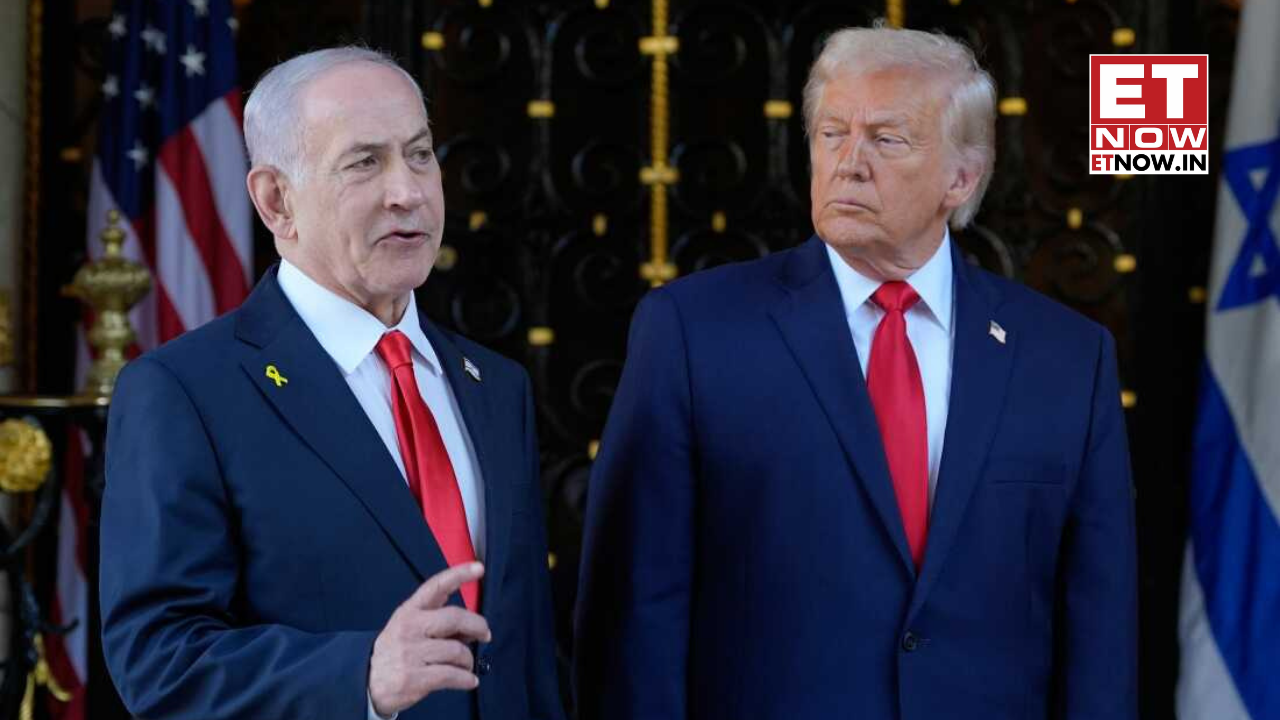

Diplomatic Contradiction Between Washington and Jerusalem
Israeli Prime Minister Benjamin Netanyahu has publicly rejected a 15-point United States-backed peace framework for Gaza, directly contradicting previous statements by US President Donald Trump regarding Israeli alignment with the proposal. The rejection exposes the limits of American influence over its closest ally in West Asia and raises questions about the future direction of the conflict.
The discrepancy between the two leaders' positions emerged shortly after a summit in Washington. According to reports, President Trump told reporters upon leaving the summit that Israel was on board with the general principles of the peace roadmap. Days later, however, Netanyahu stood before his cabinet in Jerusalem and stated that Israel rejects the 15-point document.
This gap between the two statements is described not merely as a diplomatic embarrassment but as a revelation of the current state of relations between the two nations. It demonstrates that Washington cannot compel Israel to accept diplomatic frameworks even when the US president is personally invested in the outcome.
Structure and Origin of the Rejected Framework
The 15-point document that Netanyahu rejected was assembled under the "Board of Peace," an international diplomatic mechanism established following earlier ceasefire and hostage release agreements. The framework was formally unveiled on July 30, 2026, and is led by executive director Nickolay Mladenov.
The plan is structured as a phased roadmap intended to address the ongoing quest for resolution in Gaza. Its development falls under the auspices of the Board of Peace, which was created to facilitate diplomatic solutions after previous agreements regarding hostilities and captives.
Domestic Political Constraints on Israeli Leadership
Netanyahu’s refusal to approve the proposal underscores a pattern of rejecting or revising international agreements due to domestic political pressure from extremist politicians within Israel. Reports indicate that any potential Israeli withdrawal from Gaza is contingent upon the complete disarmament of Hamas, a condition emphasized despite the lack of formal approval for the broader peace plan.
Netanyahu has refused to commit to leaving Gaza while simultaneously bowing to the demands of extremist factions in his government. The Israeli government has delayed committing to a framework that could advance a broader ceasefire and political settlement in the Gaza Strip, underscoring a long-standing pattern of rejecting or revising agreements under domestic political pressure.
Humanitarian Conditions in Gaza
The conflict, which began on October 7, 2023, has resulted in a severe humanitarian catastrophe in Gaza. According to the Gaza Health Ministry, the war has caused more than 73,000 deaths and over 174,000 injuries.
Palestinian officials report that women and children account for approximately half of the fatalities. Approximately 90 percent of Gaza’s urban infrastructure has been damaged or destroyed. Large portions of the territory currently lack adequate medical care, clean water, electricity, and functioning sanitation systems.
The rejection of the peace plan occurs as international mediators continue efforts to secure a durable end to the conflict. The discovery of mass casualties in Gaza City has been cited as one of the most devastating reminders of the war's impact on the region.