


Energy Markets React to Escalating Geopolitical Friction
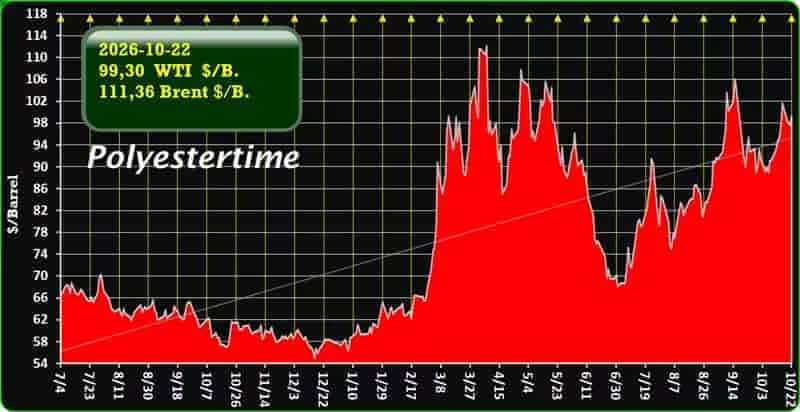
Brent crude oil prices hovered around $111 per barrel, while West Texas Intermediate (WTI) traded at approximately $99 per barrel on October 22, 2026. The sharp upward rally in global energy benchmarks reflects deteriorating political and military conditions between the United States, its regional allies, and Iran.
Geopolitical instability in the Middle East has emerged as a primary force in commodity markets, with traders and policymakers confronting heightened energy volatility. The price surge follows breakdowns in diplomatic discussions aimed at de-escalating military activity in the Gulf region, intensifying fears of direct disruption to global crude flows.
Strait of Hormuz and Maritime Security Risks
Anchoring the market anxiety is the Strait of Hormuz, a critical maritime chokepoint through which roughly one-fifth of the world’s daily petroleum consumption passes. Recent security incidents in the region have included reported drone attacks on commercial vessels, threat activity off the coast of Oman, and naval mining alerts.
Shipping insurers have substantially raised rates to account for these risks, adding a "war premium" to crude futures. This increase in insurance costs has elevated landed prices for refiners across Europe, Asia, and North America.
Despite the heightened security environment, physical exports from major producers in the Arabian Gulf have continued to move. However, recent strikes have targeted key energy facilities in neighboring Gulf nations, alongside escalated drone activity across the region, contributing to the broader instability driving energy prices higher.
Inventory Draws and Supply Chain Pressures
Supply dynamics in the United States have further supported price levels. US commercial crude inventories have experienced consecutive weeks of draws, dropping by several million barrels. This decline is attributed to steady refinery utilization rates and strong domestic demand.
The combination of physical inventory reductions and geopolitical risk premiums has created a volatile environment for global energy markets. As diplomatic efforts remain stalled, the interplay between Middle Eastern security risks and Western supply data continues to dictate price movements in the Brent and WTI benchmarks.