


Iran's Geopolitical Significance and Oil Resources
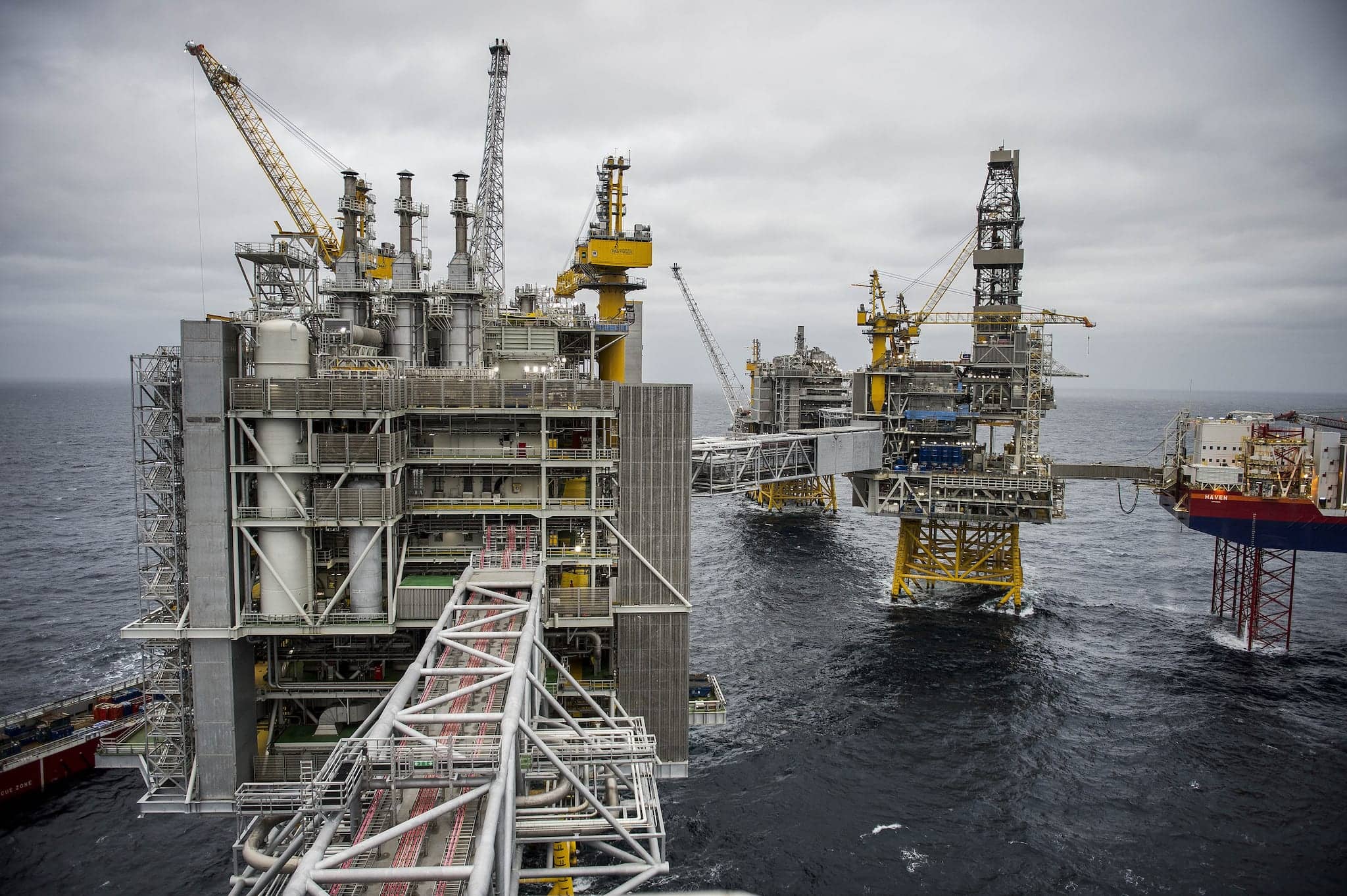
Iran holds some of the world's largest proven crude oil and natural gas reserves, making it a pivotal player in global energy markets. Its strategic location, particularly its control over a significant portion of the Strait of Hormuz – a critical chokepoint for international oil shipments – further amplifies its importance. This combination of vast resources and strategic geography has historically placed Iran at the center of international attention and geopolitical competition.
For decades, the global demand for fossil fuels has underscored the strategic value of oil-rich nations. Iran's capacity to produce and export substantial quantities of oil means that its internal stability, foreign policy, and relationships with other nations can have direct implications for global energy supply and prices. Disruptions in Iranian oil production or export routes have historically led to market volatility and international concern, highlighting the country's leverage in the global energy landscape.
Historical Context: Oil and Geopolitical Dynamics
The history of the Middle East, including Iran, is frequently intertwined with the pursuit and control of oil resources. From the early 20th century, the discovery of vast oil fields transformed the region into a focal point for international powers. Access to reliable and affordable energy supplies has been a consistent driver of foreign policy for many industrialized nations, influencing alliances, interventions, and diplomatic strategies. The strategic importance of the Persian Gulf, home to a significant portion of the world's proven oil reserves, has historically attracted the attention of global powers seeking to secure their energy interests and maintain economic stability.
Analysts have often pointed to the strategic imperative of securing fossil fuel supplies as a contributing factor in various international engagements across the Middle East. The stability of oil-producing regions and the unimpeded flow of oil through crucial shipping lanes are considered vital for global economic stability. Consequently, events that threaten these supplies, whether internal conflicts, regional disputes, or challenges to established trade routes, tend to draw significant international attention and intervention from nations reliant on these resources.
The relationship between Iran and several Western nations, particularly the United States, has been characterized by periods of tension and diplomatic challenges. While official statements often cite concerns related to nuclear proliferation, human rights, or regional stability, some interpretations suggest that the underlying geopolitical dynamics are also influenced by the country's immense oil wealth and its role in the global energy landscape. The imposition of sanctions on Iran, for instance, has frequently targeted its oil sector, impacting its ability to export crude and generate revenue, thereby highlighting the economic leverage associated with its energy resources and the broader struggle for influence in a critical energy-producing region.
The Energy Transition: Beyond Climate Change Mitigation
The global clean energy transition, primarily driven by the urgent need to combat climate change, involves a fundamental shift away from fossil fuels towards renewable energy sources such as solar, wind, and hydropower. This transition is widely recognized for its environmental benefits, including the reduction of greenhouse gas emissions and the mitigation of global warming impacts.
However, beyond its critical role in environmental sustainability, the energy transition presents a significant, often overlooked, geopolitical dimension: the potential to foster global peace and reduce resource-driven conflicts. As nations increasingly adopt renewable energy technologies and reduce their reliance on oil and gas, the strategic importance of fossil fuel-rich regions could diminish over time.
Reducing Resource Competition and Conflict Potential
A global shift towards decentralized and domestically sourced renewable energy can fundamentally alter the landscape of international resource competition. Unlike fossil fuels, which are concentrated in specific geographical locations, requiring complex extraction, transportation, and distribution networks, renewable resources like sunlight and wind are more widely distributed across the globe. This inherent characteristic of renewables allows for greater energy independence, as nations can harness local resources to meet their energy needs, reducing the intense competition and strategic rivalries that have historically characterized the scramble for oil and gas reserves. The centralized nature of fossil fuel production has often led to a focus on controlling key production sites and transit routes, fostering geopolitical competition.
The diminished strategic value of fossil fuel resources could, in turn, lessen the incentive for external powers to intervene in the internal affairs of oil-producing nations or to engage in proxy conflicts in energy-rich regions. As countries become less dependent on imported fossil fuels, their foreign policy priorities may shift away from securing supply lines and maintaining influence in volatile oil-producing areas. This transition could lead to a re-evaluation of strategic interests, potentially reducing the drivers for military presence and political maneuvering in regions historically defined by their hydrocarbon wealth.
This potential reduction in resource-based geopolitical tensions could free up diplomatic and economic resources, allowing nations to focus on collaborative solutions to other global challenges. It could also lead to a more stable international environment by removing a significant historical driver of conflict and competition, fostering an era where energy security is achieved through diversification rather than dominance.
Enhancing Energy Security and International Stability
The energy transition also offers enhanced energy security for individual nations. By developing domestic renewable energy capacities, countries can reduce their vulnerability to price fluctuations in international oil markets, supply disruptions caused by geopolitical events, or the political leverage exerted by major fossil fuel exporters. This increased energy independence can contribute to greater national stability and reduce the likelihood of nations being drawn into conflicts over energy resources.
Furthermore, the transition encourages international cooperation in areas such as technology sharing, grid integration, and the development of global standards for renewable energy. Such collaborative efforts could build trust and interdependence among nations, fostering a more cooperative rather than confrontational international system. The combined effect of reduced resource competition and enhanced energy security suggests that the global clean energy transition holds the potential to be a significant force for promoting international stability and peace, alongside its primary environmental benefits.