

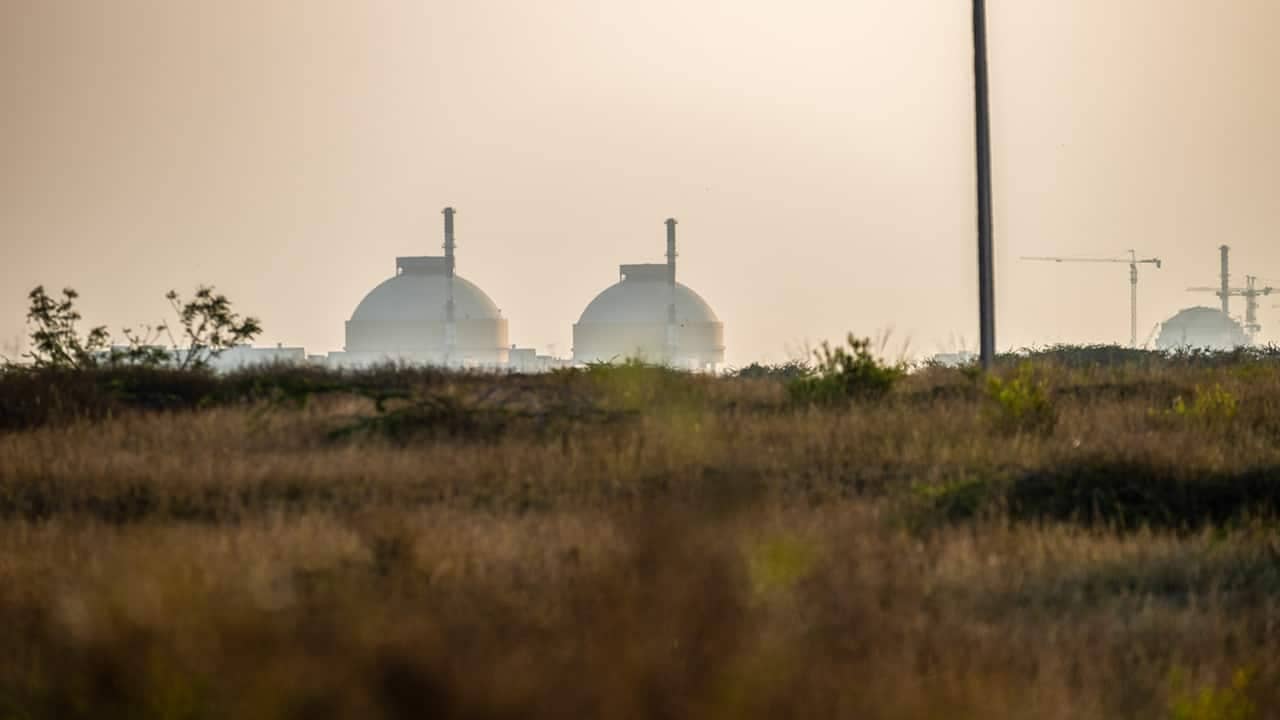

The Pending Congressional Approval and Regional Dynamics
\nA recent development in international relations involves a United States–Saudi Arabia civil nuclear cooperation agreement. This specific arrangement is currently proceeding even though it faces pending congressional approval within the legislative process of Washington.
\n\nObservers note that this situation includes a belated Israeli twist in the storyline surrounding the negotiations. Despite these procedural hurdles and external diplomatic maneuvers, the core framework for the deal remains active between the two nations involved.
\n\nThe agreement represents a significant moment where American foreign policy demonstrates an inclination toward flexibility. This shift occurs against the backdrop of intensifying strategic rivalry with major global powers including China and Russia. The United States is navigating these complex geopolitical waters by adapting its approach to energy security partnerships in the Middle East region.
\n\nStrategic Competition With Beijing And Moscow
\nThe context for this diplomatic maneuvering involves increasing competition between Western nations and other global powers. Specifically, the agreement reflects a pragmatic approach to nuclear energy cooperation within the Gulf region. This regional focus addresses specific needs regarding power generation while acknowledging broader geopolitical tensions.
\n\nChina maintains its own strategic interests in the Middle East through various economic and military engagements. Russia similarly pursues influence across the same geographic theater through arms sales, infrastructure projects, and diplomatic alignments with local governments. The United States seeks to maintain a distinct position within this competitive landscape by fostering civilian nuclear partnerships.
\n\nThe inclusion of Israel in recent discussions adds another layer of complexity to the regional equation. While details regarding specific Israeli positions or demands remain part of the unfolding narrative, their involvement signals that multiple stakeholders are monitoring and potentially influencing the trajectory of US-Saudi relations.
\n\nPragmatism In Energy Cooperation
\nThe nature of this agreement emphasizes a pragmatic approach to nuclear energy cooperation in the Gulf region. This methodology prioritizes practical outcomes over ideological considerations or rigid adherence to past policy precedents. Such an orientation suggests that Washington is willing to recalibrate its strategies based on current strategic imperatives.
\n\nNuclear energy projects offer long-term solutions for electricity generation and industrial applications. For Saudi Arabia, access to advanced nuclear technology could support economic diversification goals outlined in national development plans. The United States brings technical expertise and regulatory frameworks that align with international safety standards established by the International Atomic Energy Agency (IAEA).
\n\nHowever, any agreement of this magnitude must navigate existing geopolitical fault lines. Historical tensions between nations can influence how quickly or smoothly such projects move forward. Diplomatic channels remain open for dialogue even when strategic competition intensifies elsewhere in the world.
\n\nAmerican Flexibility Amidst Global Tensions
\nThe willingness by the United States to be flexible in its foreign policy marks a notable departure from more rigid positions held during previous administrations. This evolution reflects changing circumstances on both domestic and international fronts. Domestic political considerations, including congressional oversight processes, intersect with external pressures exerted by rival nations.
\n\nStrategic rivalry with China has accelerated over the past decade through trade disputes, technological competition in sectors like artificial intelligence and quantum computing, and military modernization efforts across multiple continents. Russia continues to challenge Western hegemony through hybrid warfare tactics and energy leverage against European partners. These factors compel Washington to reassess its alliances and partnerships.
\n\nThe Gulf region remains a critical area of interest for all major powers due to its vast hydrocarbon reserves, strategic location controlling key maritime chokepoints such as the Strait of Hormuz, and growing population centers requiring substantial energy infrastructure investments. A civil nuclear agreement between Washington and Riyadh fits into this broader calculus by offering mutual benefits while avoiding direct confrontation with other actors.
\n\nRegional stability depends heavily on how external powers engage with local governments without imposing conditions that could destabilize fragile political environments. The United States aims to balance its security commitments in the region against economic opportunities presented through energy cooperation initiatives involving nuclear technology transfer and joint research projects.
\n\nDiplomatic Nuances And Future Implications
\nThe ongoing nature of congressional approval processes highlights the intersection between executive branch diplomacy and legislative scrutiny. Members of Congress retain authority to review international agreements before they become binding treaties or memoranda of understanding under applicable laws governing foreign assistance programs.
\n\nInternational norms regarding non-proliferation remain central considerations for any nuclear cooperation agreement involving United States entities. Export control regulations administered by the Department of Commerce and State Department ensure that sensitive technologies do not fall into hands deemed hostile to global security interests defined by Washington policy guidelines.
\n\nThe inclusion of Israel in recent developments underscores how interconnected regional dynamics have become since 2017 when Abraham Accords normalized relations between several Arab states. However, normalization does not automatically translate into automatic alignment on all issues including nuclear proliferation concerns or competition with Iran over influence in the Persian Gulf basin.
\n\nAs negotiations continue pending final approval mechanisms within Washington’s legislative branch, stakeholders will monitor whether emerging patterns suggest sustained commitment to flexible engagement strategies or reversion toward more traditional containment approaches favored during earlier Cold War-era geopolitics characterized by binary thinking about friend versus foe categories rather than spectrum-based alliances allowing room for maneuvering based on specific issue areas.
\n\nThe agreement itself stands as evidence that pragmatic solutions often emerge when policymakers prioritize tangible outcomes over abstract ideological positions. Whether this trend persists depends largely on how external pressures from competitors like Beijing and Moscow shape future decisions made inside Beltway corridors where policy formulation takes place daily amidst competing priorities vying for attention of senior officials responsible for guiding national strategy forward into uncertain terrain ahead."