

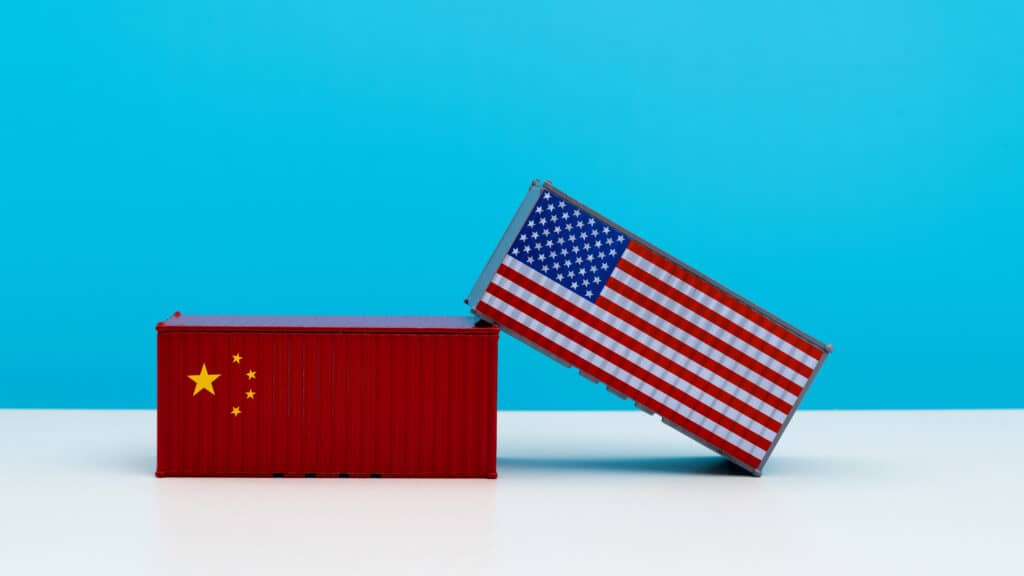

The Distraction of Geopolitical Framing
In 2025, there were 216 active shortages affecting critical medications in the United States. This statistic highlights a persistent challenge within the nation's healthcare infrastructure. However, the public and policy discourse often directs attention toward international relations rather than domestic regulatory mechanisms.
Pooja Yerramilli, who serves as a clinical assistant professor at NYU Grossman School of Medicine and acts as a term member of the Council on Foreign Relations, has offered an assessment regarding these supply chain dynamics. In writing published by STAT News on July 24, 2026, Yerramilli posits that geopolitical tensions are not the primary driver necessary for achieving pharmaceutical supply chain resilience.
The author suggests that focusing heavily on foreign adversaries creates a narrative distraction. This framing obscures the actual obstacles preventing consistent access to essential medicines. According to the analysis presented in July 2026, the immediate risks threatening the security of drug supplies are rooted in regulation rather than geopolitics.
Regulatory Risks Overriding Geopolitical Concerns
The core argument advanced by Yerramilli centers on the nature of the vulnerabilities currently plaguing the industry. The author contends that regulatory frameworks present a more pressing threat to supply chain stability than foreign policy disputes involving China or other nations.
By labeling every disruption as a national security issue, policymakers may overlook specific compliance failures and bureaucratic bottlenecks within U.S. agencies. These internal administrative hurdles can delay approvals for new manufacturing sites or alter importation rules without direct input from international actors.
The distinction between regulatory risk and geopolitical risk is significant in this context. Regulatory issues involve domestic laws, FDA guidelines, state-level licensing requirements, and insurance reimbursement structures. Geopolitical issues typically involve trade tariffs, export controls, diplomatic sanctions, or labor disputes abroad that impact U.S. imports.
Yerramilli's assessment indicates that the conversation has shifted too far toward external threats while neglecting these internal regulatory failures. The author notes that securing pharmaceuticals requires addressing how regulations are written and enforced domestically first.
The Specificity of Domestic Regulatory Challenges
To understand why Yerramilli believes the focus on China is misplaced, one must examine the specific mechanisms causing shortages in 2025. These mechanisms often involve complex interactions between federal agencies like the FDA and state-level health departments.
When a shortage occurs, it frequently stems from delays in facility inspections or changes to Good Manufacturing Practice standards that manufacturers cannot immediately meet. Such events are regulatory by nature. They do not require an analysis of foreign government policies but rather adjustments to domestic compliance strategies.
The author argues that the national security framing serves as a distraction because it simplifies complex supply chain logistics into a binary conflict narrative. This approach fails to account for how small changes in U.S. law can ripple through global markets and cause immediate shortages regardless of international relations.
Implications for Policy and Industry Strategy
If the primary risks are regulatory, then solutions must also be domestic. Strategies focused on diversifying supply sources abroad may not address issues that arise from a single change in U.S. law or FDA guidance document.
The Council on Foreign Relations term member emphasizes that resilience requires robust internal systems capable of navigating bureaucratic shifts quickly. This involves maintaining flexible manufacturing capabilities within the United States and ensuring regulatory pathways remain clear for domestic producers to expand capacity when needed.
Industry stakeholders have faced calls to reduce reliance on foreign suppliers, particularly those in China or India. While reducing dependency is a valid long-term goal, Yerramilli suggests that immediate action should prioritize fixing broken regulatory processes. Without these fixes, even diversified supply chains may fail during periods of strict enforcement or policy tightening.
Expert Authority and Publication Context
The perspective offered in this analysis comes from Pooja Yerramilli, whose credentials lend weight to the argument regarding pharmaceutical logistics. As a clinical assistant professor at NYU Grossman School of Medicine, she possesses direct experience with patient care needs during drug shortages.
Her role as a term member of the Council on Foreign Relations further situates her within international policy circles where these supply chain debates often occur. This dual perspective allows her to critique both domestic medical practices and foreign relations strategies simultaneously.
The article appeared in STAT News, a publication known for reporting at the frontiers of health and medicine since its inception around 2015 according to site navigation data observed during review. The piece was published on July 24, 2026, marking over a decade of coverage into issues ranging from biotechnology policy to public health crises.
Relevance in Current Discourse
The timing of the publication is notable given ongoing discussions about drug pricing and supply security. In an era where national security concerns frequently dominate headlines involving China, this opinion piece offers a counter-narrative focused on administrative efficiency.
No opposing party response was included in the provided source context for rebuttal or alternative viewpoints against Yerramilli's claims. The article stands as an independent assessment based on professional observation and analysis of existing supply chain data from 2025.
The argument remains that while geopolitical instability is a factor, it does not constitute the key to pharma supply chain resilience according to this specific viewpoint. Resilience depends more heavily on regulatory consistency and domestic manufacturing readiness than on diplomatic maneuvering or trade agreements alone.