


Military Directive Sets Late Autumn Deadline
Russian President Vladimir Putin has issued a direct instruction to his military leadership, tasking them with advancing forces to reach the administrative borders of the Luhansk and Donetsk regions by December 31 of this year. The directive establishes a specific timeline for the completion of what Moscow describes as its primary objectives in eastern Ukraine.
The order places significant pressure on Russian command structures to accelerate operations in the Donbas area. By setting December 31 as the target date, Putin has created a fixed deadline that requires substantial territorial gains within a compressed timeframe. This instruction is part of the broader ongoing conflict that began with Russia's full-scale invasion of Ukraine.
Ukrainian officials and military observers are monitoring the Russian military's progress closely against this new benchmark. The administrative borders of Donetsk and Luhansk represent key geographic markers in the war, with parts of these regions already under Ukrainian control or heavily contested.
Analyst Questions Feasibility of Timeline
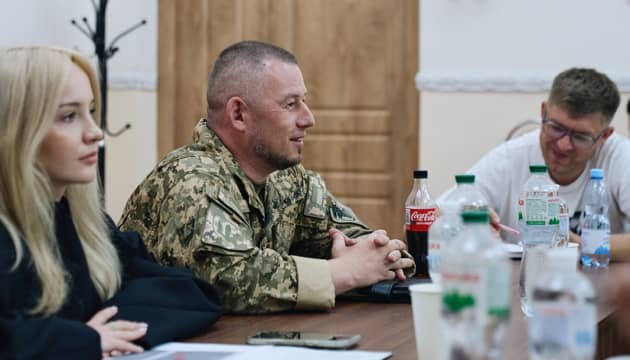
Palisa, a Ukrainian military analyst, has publicly stated that the objective set by Putin is unrealistic. According to Palisa, the goal of capturing the entirety of the Donetsk and Luhansk regions by the end of the year cannot be achieved given current conditions on the ground.
The assessment from Palisa contradicts the optimism often projected by Russian state media regarding the speed of their offensive operations. By labeling the target as unattainable, Palisa highlights the gap between political directives and military reality in the theater of war.
This critique comes amid reports of intense fighting across the front lines. Ukrainian air defense forces have reported shooting down hundreds of Russian drones in recent days, indicating sustained aerial pressure from Moscow. These operational details suggest that while Russia continues to launch attacks, achieving rapid territorial consolidation by December 31 faces significant hurdles.
Current Operational Landscape
The military situation remains fluid as both sides engage in continuous combat operations. Recent reports indicate that Russian forces have attacked the Dnipropetrovsk region nearly 50 times, demonstrating the breadth of Moscow's current strategic focus beyond just the immediate front lines of Donbas.
Simultaneously, drone strikes have targeted infrastructure and populated areas across Ukraine. A gas station in Kharkiv was hit by a Russian drone, causing a fire, while strikes in Kherson injured two residents. In Kyiv, a drone attack resulted in injuries to eight people, including the death of a two-year-old child, and damaged multiple floors of a residential building.
These incidents underscore the intensity of the conflict as the year progresses. The Ukrainian Defense Ministry has called on defense industry leaders to audit the storage of weapons and ammunition, suggesting logistical preparations are ongoing even as combat operations continue at a high tempo.
Diplomatic and Strategic Implications
As the deadline approaches, international attention remains fixed on the potential outcomes of Putin's directive. The failure to meet such a specific military target could have implications for Russian domestic politics and military leadership accountability.
Ukraine continues to coordinate with allies regarding defense needs. Recent discussions between Ukrainian and Latvian officials focused on support for military personnel, highlighting the ongoing international dimension of the conflict. President Volodymyr Zelensky has also paid tribute to fallen Ukrainian soldiers, reinforcing the human cost of the war.
The discrepancy between Putin's stated goals and Palisa's assessment of their feasibility remains a central point of analysis for observers of the war. While Moscow sets ambitious timelines, Ukrainian analysts argue that these targets do not align with the practical capabilities of Russian forces currently engaged in combat.