


Winnie Odinga Seeks Uhuru Kenyatta's Political Counsel
Winnie Odinga, daughter of the late former Prime Minister Raila Odinga, has publicly articulated a desire to meet with retired President Uhuru Kenyatta. This statement, made during a recent international interview, underscores her intention to seek guidance from the former head of state on a range of political issues. Odinga's request highlights the evolving dynamics within Kenyan politics, particularly among prominent political families.
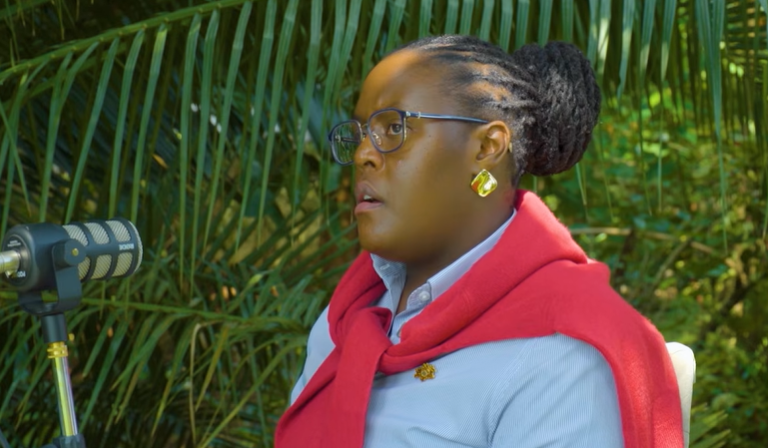
The declaration was made during an interview with a Nigerian YouTuber and journalist, which was broadcast on Saturday, August 29, 2026. During the conversation, Odinga positioned herself as an active and outspoken figure in East African politics, emphasizing her interest in engaging with seasoned former leaders to navigate the complexities of the current political landscape.
An International Platform for a Domestic Political Statement
The choice of an international digital platform for such a significant political statement is notable. By addressing a Nigerian media personality, Odinga's message transcended traditional domestic Kenyan media channels, reaching a broader African and international audience. This approach reflects a growing trend among political figures to leverage digital media for direct communication and to shape narratives beyond national borders.
While Odinga did not specify the exact nature of the guidance she seeks, she broadly categorized it as pertaining to "various issues within the political scene." This general framing allows for a wide interpretation, potentially encompassing strategic advice on political maneuvering, coalition building, public engagement, or insights into statecraft from Kenyatta's extensive experience in leading the nation.
The Weight of Political Legacies: Odinga and Kenyatta
Winnie Odinga carries a significant political lineage as the daughter of Raila Odinga, a towering figure in Kenyan politics who served as Prime Minister until the position was abolished following the promulgation of the 2010 Constitution. Raila Odinga's passing in 2024 left a profound void in the political sphere, prompting various actors within his former coalition and opposition parties to redefine their roles and strategies. His long career was marked by significant influence in shaping Kenya's democratic journey and advocating for reforms.
Retired President Uhuru Kenyatta, on the other hand, served two full terms as the President of Kenya from 2013 to 2022. His presidency was characterized by ambitious infrastructure development projects, such as the Standard Gauge Railway, and active diplomatic engagements across the African continent. Despite no longer holding executive office, Kenyatta remains a highly influential figure in national politics, often consulted on matters of national importance and regional stability due to his deep understanding of statecraft and international relations.
Navigating Post-Raila Politics and Inter-Family Dynamics
Odinga's request for guidance from Kenyatta suggests a recognition of his deep experience in governance and political leadership. It also brings into focus the intricate and often historically charged relationship between the Luo political lineage, to which the Odinga family belongs, and the Kikuyu political establishment, traditionally associated with the Kenyatta family. These two families have, at various points in Kenya's history, been at the forefront of both fierce political rivalry and strategic alliances, making a request for mentorship particularly noteworthy.
The move could be interpreted as Winnie Odinga actively charting her course in the post-Raila era, seeking to draw upon the wisdom of an elder statesman who has successfully navigated the highest echelons of power. Such an engagement, if it materializes, could signal a potential shift towards cross-ethnic political cooperation or, at the very least, a personal quest for mentorship from a figure whose political journey has spanned decades and included both executive leadership and opposition roles.
Implications for Future Political Engagements
As of the broadcast date of the interview, no immediate response has been publicly recorded from Uhuru Kenyatta’s office regarding this specific request. Similarly, there has been no confirmation that a meeting has been scheduled or that any preliminary discussions have taken place. Odinga's statement, therefore, remains an expression of intent rather than a confirmed diplomatic or political engagement, leaving the potential for a meeting open.
The public nature of the request, however, has already sparked discussions among political analysts and the general public. Observers note that Odinga’s openness to seeking guidance from former leadership figures, particularly from a different political camp, represents a notable departure from previous periods where political rhetoric between various factions was often more confrontational and adversarial. This approach could be indicative of a new generation of political leaders seeking more collaborative pathways to address national challenges.
The Role of Digital Media in Shaping Political Discourse
The interview's airing on a Saturday in late August 2026, and its subsequent dissemination through digital channels, highlights the transformative impact of online platforms on political communication. The ability of a Nigerian YouTuber to facilitate a conversation with a prominent Kenyan political figure demonstrates the diminishing geographical barriers in political discourse and the increasing importance of non-traditional media outlets in shaping public opinion and disseminating news across African borders. This broad reach ensures that such statements resonate far beyond domestic audiences.
Political watchers are now keenly monitoring any subsequent statements from either Winnie Odinga or Uhuru Kenyatta's camp to determine if this initial expression of interest will translate into concrete interactions. The interview serves as a primary source for understanding Odinga’s current political strategy and provides valuable insight into how the next generation of leaders, particularly those from established political families, are approaching the multifaceted challenges and opportunities within modern Kenyan politics, often by seeking counsel from experienced figures regardless of past political affiliations.