

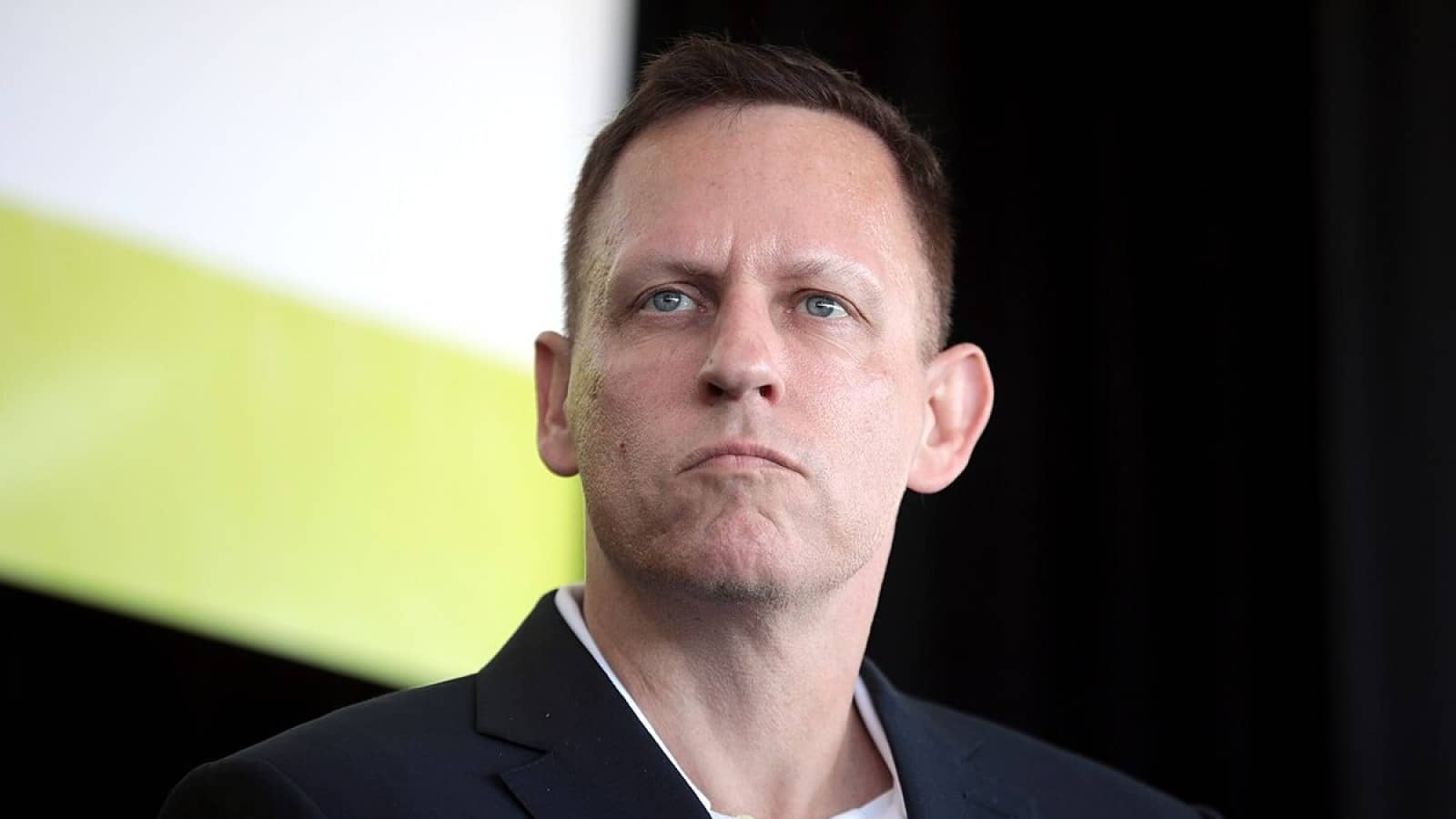

Thiel's Accusations During Panel Discussion on Artificial Intelligence
Peter Thiel has accused Pope Leo XIV of acting as a 'Chinese communist agent' in relation to artificial intelligence regulation. The billionaire investor made the remark while speaking at the Aspen Ideas Festival, an event located in Colorado.
Thiel's comments were delivered on Tuesday during discussions focused on the future of technology and governance. According to reports from International Business Times, the incident turned a routine panel into one described as one of the sharpest Vatican-tech rows of the year by observers covering the event.
The accusation centers specifically on AI regulation policies. Thiel argued that Pope Leo XIV's warnings about artificial intelligence could hinder progress in specific nations while leaving others unaffected. He stated explicitly that these warnings would slow the United States but leave China untouched regarding regulatory frameworks.
Implications for Global Technology Policy and Geopolitics
The remarks occurred within a broader context of discussions on artificial intelligence regulation at the Aspen Ideas Festival. Thiel's argument suggested a divergence in how different political entities approach technological development. He posited that moral or ethical warnings issued by religious leaders could have asymmetric impacts depending on the geopolitical standing of the issuing nation.
According to Francis Miñoza, who published the report for International Business Times on July 6, 2026 at 4:56 PM BST, Thiel's stance implies that regulatory caution might disadvantage American innovation relative to Chinese counterparts. The article notes that this perspective frames AI regulation not merely as a safety issue but as a strategic geopolitical tool.
Thiel suggested that the Pope’s influence extends beyond spiritual matters into the realm of technological policy making for Western nations. By characterizing the pontiff's warnings in these terms, Thiel highlighted what he views as an external alignment between Catholic leadership and Chinese state interests regarding AI governance.
Context of the Aspen Ideas Festival Event
The event took place at a time when artificial intelligence regulation is becoming increasingly central to international discourse. The festival serves as a venue for prominent figures in technology, politics, and media to discuss emerging global challenges. Thiel’s participation placed his views directly before an audience interested in the intersection of faith, finance, and future technologies.
Reports indicate that the controversy arose from Thiel's specific framing of the Pope’s role during a panel discussion on Tuesday. The comments were part of a larger conversation about how different cultures approach risk management in high-stakes technological fields like artificial intelligence.
Diverging Views on Regulatory Impact
Thiel's argument rests on the premise that regulatory environments differ significantly between nations with strong religious institutions and those without. He contended that warnings about AI risks, when issued by a figure of Leo XIV’s stature, would create friction for American developers while posing no such barrier to Chinese entities.
This perspective suggests that the United States faces unique constraints in its technological advancement due to ethical considerations championed globally. Thiel implied that these global ethical standards might be more aligned with authoritarian state interests than democratic innovation models if they originate from non-state actors perceived as agents of foreign powers.
The debate sparked by these comments touches on fundamental questions about the role of religious institutions in secular policy discussions and whether such involvement constitutes legitimate advocacy or strategic interference. Thiel’s characterization frames this dynamic through a lens of geopolitical competition rather than theological discourse.
Public Reaction to Controversial Statements
The remarks generated significant attention among attendees at the Aspen Ideas Festival and in media outlets covering the event. International Business Times described the outcome as sparking controversy over AI regulation and its geopolitical implications. The coverage highlighted how quickly a single statement can redefine public perception of high-profile figures involved in policy debates.
Observers noted that Thiel’s comments shifted focus from technical aspects of AI to questions about international influence networks. This shift reflects ongoing tensions between domestic regulatory priorities and perceived foreign pressures on American technology sectors.