

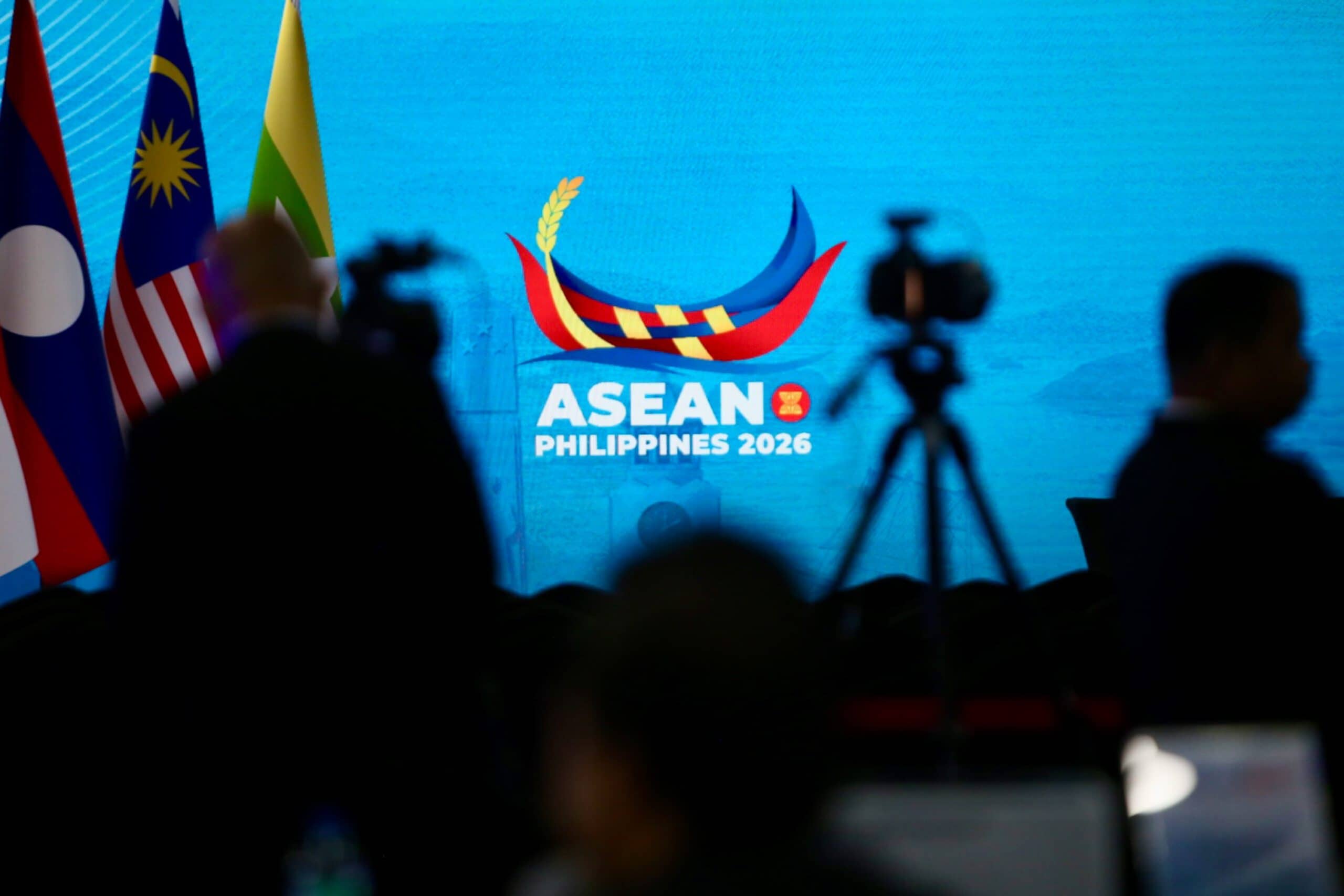

High-Level Diplomatic Gathering Scheduled in Manila
The city of Manila is set to serve as the venue for a series of significant international diplomatic engagements. These events are scheduled to bring together foreign ministers representing the Association of Southeast Asian Nations, commonly referred to by its acronym ASEAN. The gathering marks an important moment on the regional calendar where key geopolitical stakeholders will convene.
Participants confirmed in the official itinerary include representatives from all member states within the ASEAN bloc. In addition to these regional members, a specific roster of partner countries has been designated for attendance at these high-level meetings. This list includes foreign ministers representing major global powers and strategic partners across different continents.
The Composition of Delegations
The confirmed attendees from outside the immediate Southeast Asian region include officials appointed by the United States government, the People's Republic of China, Canada, Australia, Russia, New Zealand, and India. The inclusion of these specific nations highlights the broad scope of international interest in regional affairs being discussed during this event.Each delegation is expected to bring their respective foreign ministry leadership. The presence of Russian officials alongside Western powers such as those from North America and Europe indicates a diplomatic format that seeks to engage with multiple geopolitical blocs simultaneously. This structure allows for direct dialogue between traditionally competing nations within the framework of ASEAN centrality.
Scope of Discussions Among Regional Partners
The meetings are designed to facilitate high-level discussions on matters pertinent to Southeast Asia and its broader international environment. Foreign ministers from the participating nations will engage in bilateral and multilateral dialogues during their time in Manila. The agenda is expected to cover a wide range of topics relevant to regional stability, economic cooperation, and security architecture.ASEAN member states utilize these gatherings to coordinate positions on shared challenges while maintaining autonomy over national interests. Partner countries attend with the expectation that ASEAN will provide a platform for constructive engagement without imposing external agendas upon its members.
Diplomatic Engagement Format
The format of the meetings involves formal sessions where foreign ministers present their nations' perspectives to one another. This structure allows for direct interaction between leaders from different political systems and cultural backgrounds. The presence of Russia, a permanent member of international security councils, alongside India as an active participant in regional architecture, underscores the complexity of modern diplomatic relations.Officials from New Zealand will participate despite being geographically distant from Southeast Asia, reflecting their commitment to Pacific Rim stability through ASEAN partnerships. Similarly, Canadian representatives join Australian counterparts to represent broader Western interests while respecting ASEAN's principle of non-interference and consensus-based decision making.
Strategic Importance for Regional Architecture
The convening in Manila represents a continuation of established diplomatic protocols that allow major powers to engage with Southeast Asia through the framework provided by regional organizations. This approach ensures that discussions remain focused on issues directly affecting the ASEAN region rather than external geopolitical conflicts unrelated to local priorities.Foreign ministers from India have expressed interest in strengthening ties within this format, citing shared concerns regarding maritime security and economic connectivity across the Indo-Pacific region. Chinese officials are expected to emphasize their commitment to regional peace while promoting initiatives that support sustainable development goals outlined by international bodies.
Perspectives on International Cooperation
The United States delegation will likely focus on topics related to supply chain resilience, technology standards, and climate cooperation with Southeast Asian nations. Australian representatives may highlight security partnerships in the Pacific Ocean region where ASEAN member states have significant maritime boundaries intersecting with broader oceanic zones.Canadian officials are expected to bring expertise regarding international law enforcement collaboration and sustainable resource management projects that align with United Nations development goals. Russian participants will seek opportunities for dialogue on energy cooperation and infrastructure connectivity within established regional frameworks.
Diplomatic Protocols and Meeting Logistics
The logistics of hosting such a diverse group of foreign ministers require careful coordination between the Philippine government and diplomatic missions from each participating nation. Security arrangements, venue preparations, and scheduling protocols have been managed to accommodate the specific requirements of delegations arriving from different time zones.Manila's status as ASEAN Chair for 2026 provides a unique opportunity to demonstrate leadership in facilitating these high-level engagements. The capital city serves not only as an administrative hub but also as a symbol of regional unity among Southeast Asian nations who work together under the ASEAN banner while engaging with external partners.
Implications for Regional Stability
The successful conclusion of these meetings is expected to reinforce existing diplomatic channels between ASEAN members and their partner countries. Outcomes from such gatherings often inform future policy decisions regarding trade agreements, security cooperation frameworks, and regional development initiatives that benefit multiple stakeholders simultaneously.The presence of foreign ministers from all listed nations ensures balanced representation across different geopolitical spheres. This inclusivity helps maintain the perception that Southeast Asia remains central to discussions concerning its own affairs rather than becoming a proxy for external conflicts or ideological divisions among major powers.