


August Volume Surpasses Previous Milestones
The Port of Long Beach established a new operational record last month by processing nearly 1 million twenty-foot equivalent units (TEUs). This milestone marks the facility's fifth-busiest month in its history, according to data reported by FreightWaves. The achievement highlights a significant increase in cargo throughput for one of the United States' primary maritime gateways.
The record-setting performance occurred during August, a period that typically sees high levels of trade activity leading into the holiday shopping season. The port's ability to handle such a volume of containers underscores its continued role as a critical node in global supply chains. The specific figure of nearly 1 million TEUs represents a peak in operational capacity for the California-based hub.
Import and Export Growth Drive Record
The new record was not driven by a single direction of trade but rather by concurrent growth in both import and export streams. The port reported that volumes for incoming goods from international markets and outgoing domestic exports both contributed to the total count. This balanced increase suggests broad-based activity across different sectors of the supply chain rather than a surge in only one category.
Specific Vessel Activity
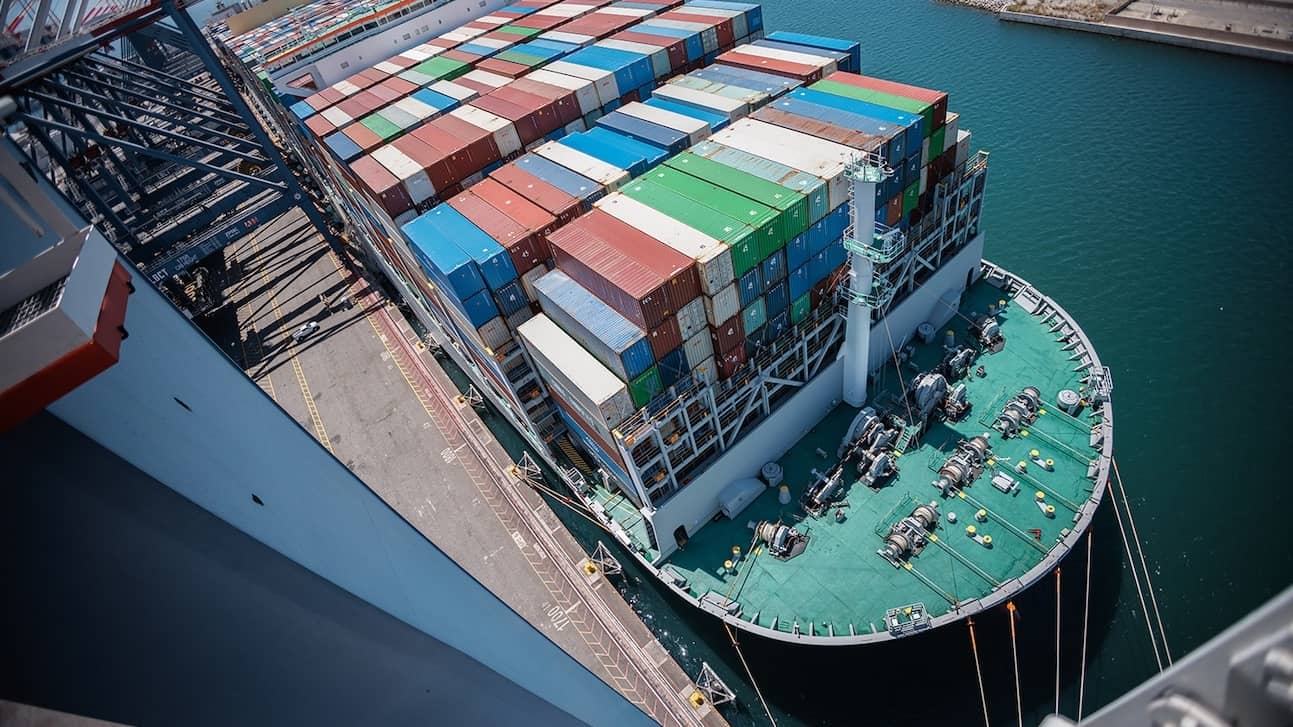
A notable component of August's activity was the arrival of the OOCL Iris, a vessel with a capacity of 16,000 TEUs. The ship made its first call at the Port of Long Beach during this period, as documented in imagery provided by the port authority. The presence of such large-capacity vessels contributes to the high volume metrics recorded for the month.
Market Context and Reporting
The data regarding the port's performance was published on September 14, 2026, by Stuart Chirls in an article for American Shipper, a publication under the FreightWaves network. The report identifies Long Beach as one of the busiest U.S. import hubs, placing its August performance in the context of broader national trade trends.
FreightWaves, the publisher of the original report, categorizes the event under maritime news and supply chain updates. The organization tracks these metrics to provide insight into the health of global freight markets. The record-breaking month is cited as a key data point for analysts monitoring container shipping volumes.
Operational Significance
By achieving its fifth-busiest month, the Port of Long Beach demonstrated its capacity to manage high-density cargo flows. The facility's infrastructure and logistics networks supported the simultaneous processing of nearly 1 million TEUs. This level of throughput requires coordinated efforts among terminal operators, trucking companies, rail providers, and customs officials.
The increase in exports alongside imports indicates that goods are moving out of the region at a pace comparable to their arrival. This dual growth pattern is essential for maintaining efficient port operations, as empty containers must be repositioned to support future import cycles. The balance between inbound and outbound cargo affects the overall efficiency of the supply chain.
Future Implications
While the record stands as a historical marker for the port, it also sets a new baseline for future performance metrics. Industry observers will likely compare subsequent months against this August benchmark to gauge continued growth or contraction in trade volumes. The specific details of which goods comprised the TEU count were not detailed in the initial report, but the total volume remains the primary focus of the data.
The Port of Long Beach continues to serve as a major entry point for goods entering the United States from Asia and other international markets. Its ability to handle record volumes without reported bottlenecks suggests robust operational management during this peak period. The data will be used by logistics professionals to plan inventory and transportation strategies in the coming months.