


New Delhi, August 1, 2026
A recent publication by Yes Punjab News has alleged that Western media organizations have historically underreported incidents of alleged state violence in Pakistan-occupied Kashmir (PoK), Balochistan and Khyber Pakhtunkhwa. The report claims that geopolitical considerations have influenced international coverage of Pakistan's internal affairs.
Allegations Regarding International Coverage Disparities
The document states that victims of alleged repression in these regions represent the consequences of a global focus on maintaining "stability" over addressing concerns related to rights and freedoms. According to the text, this prioritization creates an environment where specific human cost is minimized in favor of broader geopolitical narratives.
Specific Protests Cited as Examples
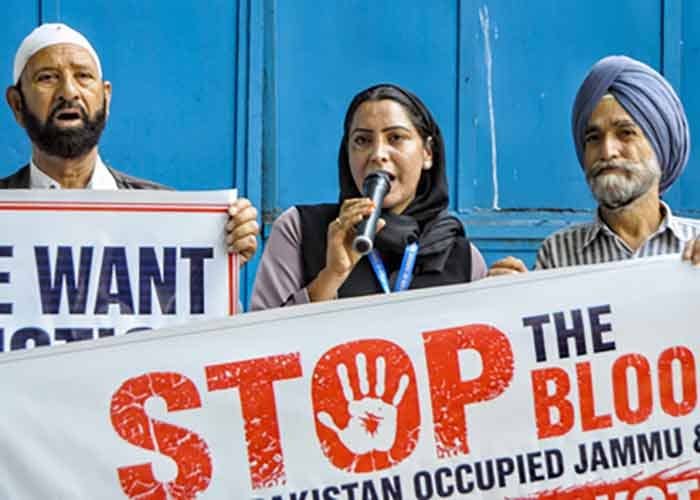
Citing recent developments in PoK areas such as Rawalakot, Mirpur and Kotli, the report claimed that demonstrations have received limited international attention despite allegations of violence by Pakistani security forces. The publication asserts that coverage by several Western media outlets of the situation in PoK has been inadequate compared with their extensive reporting on other regional developments.
The article notes a distinct disparity where significant unrest within Pakistan receives minimal headlines, while similar or lesser disturbances elsewhere garner widespread scrutiny from international press agencies and news networks. This pattern is presented as evidence of selective editorial judgment rather than random omission.
Geopolitical Factors Influencing Reporting
The report argues that Pakistan's strategic importance plays a central role in the alleged underreporting phenomenon. The text identifies Pakistan's designation as a major non-NATO ally as a contributing factor to this situation. It suggests that diplomatic and security ties influence how news organizations frame stories regarding internal conflicts within Pakistani territory.
According to the source, these geopolitical considerations often override journalistic impulses to report on alleged rights violations in real-time. The analysis posits that maintaining stability is viewed by Western outlets as more critical than documenting specific instances of alleged repression or state violence occurring under Pakistan's jurisdiction.
The Role of Strategic Alliances
Yes Punjab News highlighted the tension between national security interests and human rights reporting standards. The report suggests that when a nation holds strategic value, its internal affairs are treated with a level of deference that might not be afforded to other countries facing comparable allegations against their governments or military forces.
Analysis of Regional Impact
The publication details how the alleged lack of coverage impacts local populations. By focusing on stability rather than rights and freedoms, international observers allegedly fail to capture the full scope of suffering in regions like Balochistan and Khyber Pakhtunkhwa.
Recent protests mentioned in the text serve as case studies for this broader argument. In Rawalakot, Mirpur and Kotli, residents have reportedly gathered to voice grievances against security operations. Despite claims that Pakistani security forces utilized violence during these gatherings, international media output allegedly failed to reflect these events with the same vigor applied to conflicts in other parts of the world.
Comparison With Other Regional Developments
The report contrasts PoK coverage with reporting on other regional developments. It alleges that Western outlets dedicate extensive resources to analyzing political shifts, economic crises and military maneuvers elsewhere while offering superficial summaries or ignoring protests within Pakistan entirely. This comparison is used to underscore the alleged bias in editorial priorities.
Broader Implications for Human Rights Reporting
The article concludes by restating that victims of repression are often treated as statistical anomalies rather than individuals with specific rights and freedoms under threat. The report frames this not merely as an oversight but as a systemic consequence of geopolitical strategy.
Yes Punjab News emphasizes that the alleged state violence in PoK, Balochistan and Khyber Pakhtunkhwa represents a pattern where international scrutiny is selectively applied. The publication maintains that addressing concerns related to rights and freedoms requires more than just acknowledging stability metrics used by Western governments and media conglomerates.
The report does not offer solutions or call for specific policy changes, but rather documents the alleged disparity as it exists in current reporting practices. It leaves readers with the assertion that geopolitical considerations continue to shape how international audiences perceive internal affairs within Pakistan.