

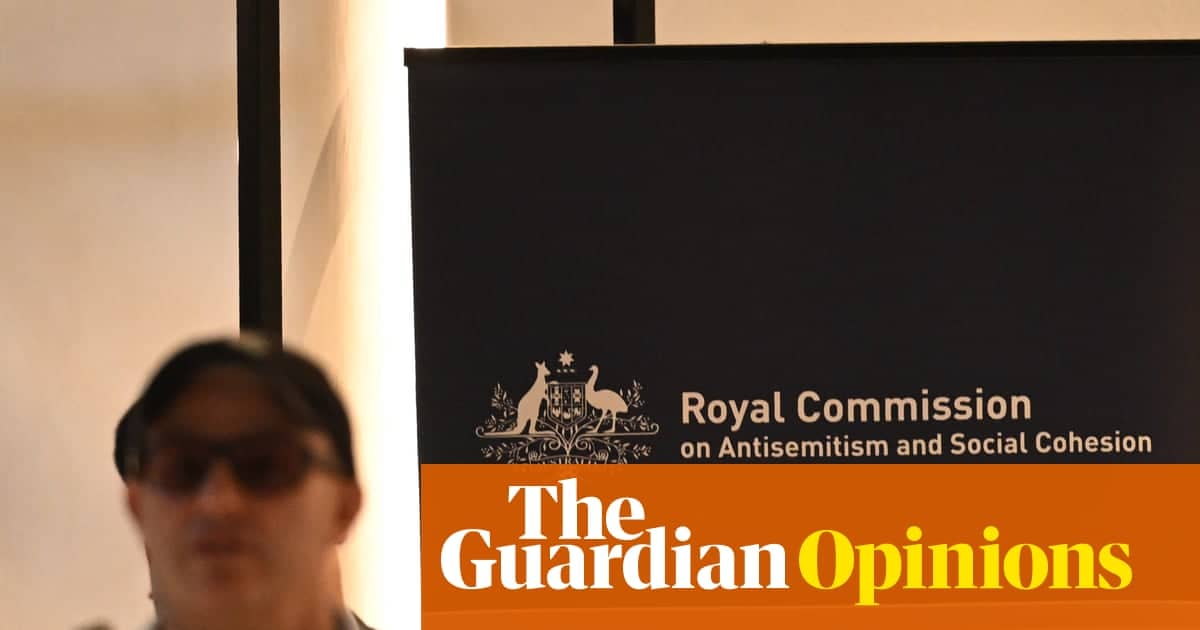

Commission Finds Intimidation Permeates Australian Life
A royal commission into antisemitism in Australia has revealed the widespread nature of the issue, according to a report by Michael Visontay, a senior writer at The Jewish Independent. The inquiry’s findings highlighted that the intimidation and victimisation of Jewish people have permeated many aspects of Australian life, indicating a deeply entrenched problem rather than isolated incidents. This pervasive nature suggests that antisemitism is not confined to specific extremist groups but has manifested in various societal spheres, affecting daily interactions and experiences across the nation.
Visontay noted that the testimony of lived experience provided by witnesses demonstrated the extent to which such intimidation has affected virtually every corner of the country. These personal accounts offered a crucial human dimension to the report, illustrating the real-world impact of prejudice and hatred on individuals and communities. The commission’s report, therefore, served as a formal acknowledgment of the breadth of antisemitism present within the nation, meticulously documenting the pervasive nature of hatred directed at Jewish communities and providing an official record of these experiences.
The findings underscored the depth of the problem, moving beyond anecdotal evidence of isolated incidents to show a systemic pattern of victimisation. This comprehensive documentation formed the core of the commission’s public output, establishing a factual record of the challenges faced by Australian Jews in their daily lives. It provided a stark and undeniable picture of antisemitism's reach, validating the experiences of those who have long contended with such prejudice and laying a foundation for future discussions on how to address these societal failings.
Prime Minister Set Tight Deadline for Report
The scope and duration of the inquiry were heavily influenced by the actions of Prime Minister Anthony Albanese. From the moment he announced the royal commission into antisemitism and social cohesion, Albanese clearly intended for the process to be short and tightly focused. This initial directive set a specific tone for the commission's work, suggesting a desire for a swift resolution rather than an open-ended, exhaustive investigation into the multifaceted causes of social division.
Albanese set a specific deadline for Commissioner Virginia Bell to deliver her report: December 14. This date was chosen because it marks the anniversary of the Bondi massacre, a significant and somber occasion. By establishing this firm timeline, the prime minister signalled that he had no appetite for surprises or delays in the commission’s proceedings, effectively shaping the inquiry's operational parameters and limiting the time available for extensive evidence gathering or deep dives into complex societal issues.
The decision to set a strict deadline was interpreted by many as a strategic move to limit the inquiry’s reach. Critics suggest that this narrow framing prevented the commission from fully addressing the rising hatred identified in its findings, potentially overlooking broader systemic issues that contribute to antisemitism. The focus on speed and specificity meant that the investigation operated within a constrained window, determined by political rather than purely investigative timelines, which some argue compromised the thoroughness of the inquiry.
Scrutiny of Key Figures Limited
Critics have argued that the royal commission missed opportunities to address the rising hatred effectively, particularly concerning accountability. A central point of contention is the level of scrutiny applied to key gatekeepers and government officials. Some observers believe that these individuals, including the prime minister himself, should have faced more direct and rigorous questioning regarding their roles in addressing the issue of antisemitism and fostering social cohesion.
The argument posits that without rigorous examination of those in power, the commission’s recommendations may lack the necessary force to effect meaningful change. The perception is that the inquiry’s structure allowed key figures to avoid accountability for the broader social cohesion problems it was tasked with investigating, thereby potentially undermining the impact of the report's findings. This limited scrutiny raises questions about the commission's ability to challenge the status quo and push for significant policy shifts from those in leadership positions.
Debate Over Commission’s Legacy
The release of the report has sparked considerable debate over the effectiveness of the royal commission model in this specific context. While the inquiry succeeded in documenting the prevalence of antisemitism, its legacy is complicated by criticisms that it failed to hold sufficient power to account, leaving a perceived gap between identifying the problem and ensuring robust solutions.
Visontay’s analysis suggests that while the breadth of the issue was exposed, the political management of the commission, particularly the tight deadlines and narrow focus, limited its potential impact. The tension between the desire for a swift resolution to a pressing social issue and the need for thorough accountability from all stakeholders remains a focal point in discussions about the government’s overall response to antisemitism and social division.
The commission’s work has provided a detailed account of victimisation, offering an invaluable record for understanding the challenges faced by Jewish Australians. However, the subsequent political discourse focuses heavily on whether the inquiry’s design allowed for meaningful action and systemic reform. The deadline-driven approach, explicitly set by Albanese and enforced upon Commissioner Bell, is now viewed by some as a significant barrier to deeper investigation into the underlying sources of social division and the responsibilities of various influential actors.
As the report enters the public domain, attention shifts to how its findings will be implemented and whether the government will act decisively on its recommendations. However, the initial framework of the commission continues to draw criticism for its perceived limitations in challenging the status quo among political leaders and other influential figures who may have contributed to or failed to prevent the conditions described in the extensive testimony. This ongoing debate highlights the complexities of addressing deep-seated societal issues through politically constrained investigative processes.