


Signatories Establish Collective Security Framework
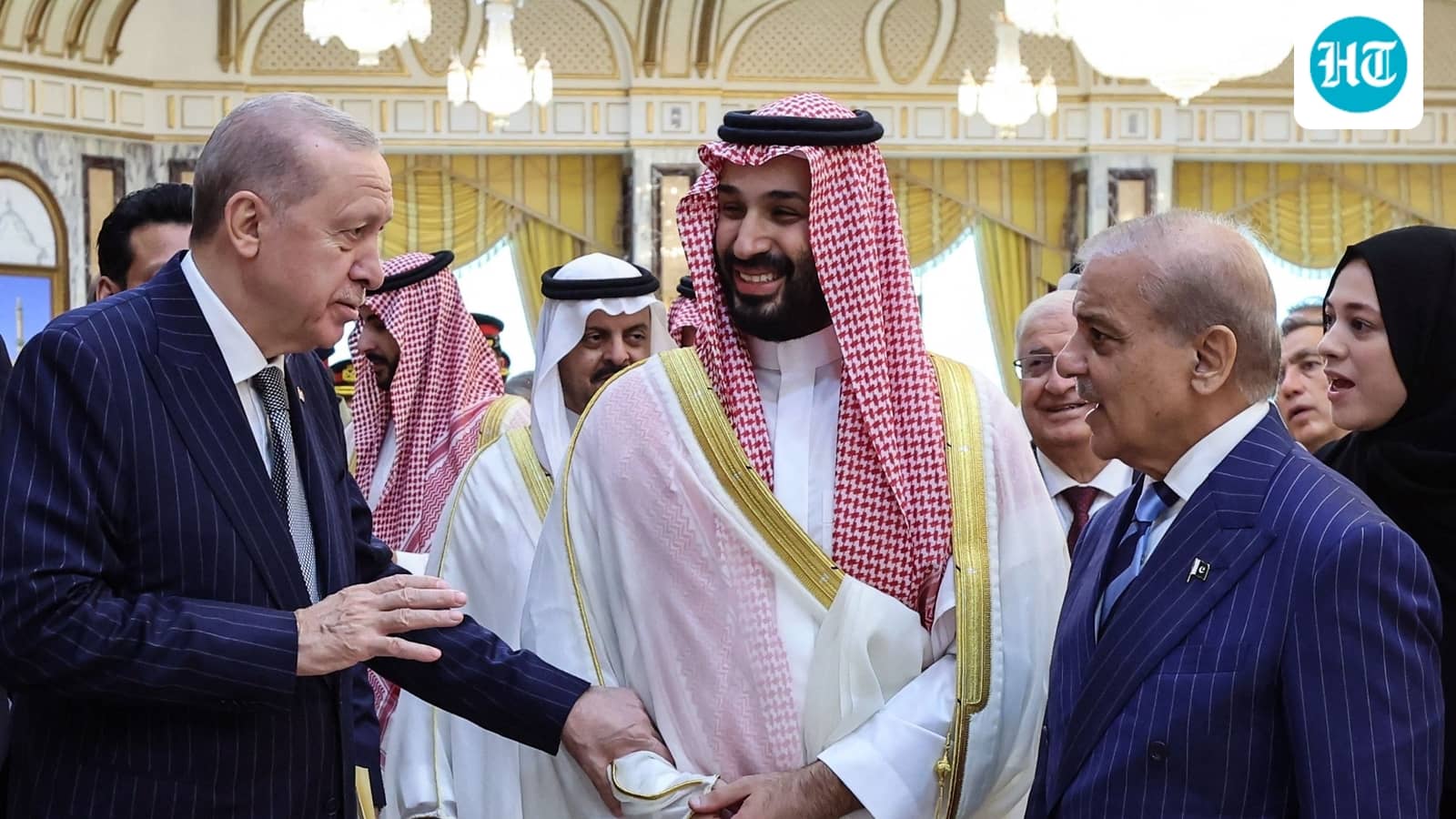
Saudi Arabia, Pakistan, and Turkey formally signed the Mecca Joint Defense Agreement on August 7 in Mecca, Islam’s holiest city. The agreement establishes a collective defense mechanism among the three nations, aiming to strengthen regional security ties independent of external powers.
Under the core provision of the pact, an attack against any one of the three signatory nations will be regarded as an assault on all three. This mutual defense clause creates a unified security posture for the countries involved, marking a significant step in their bilateral and trilateral relations.
Strategic Implications of the Mecca Pact
The agreement carries symbolic significance over a century after Western powers established West Asia's dependence on external actors for security. The signing of this pact reflects a strategic shift toward regional self-reliance and a desire to reduce reliance on foreign security guarantees.
According to reports, the agreement aims to serve as a regional fix to hedge against unpredictable or "fickle" US security policy. The move underscores growing doubts regarding the reliability of the United States as a security partner in the region. By establishing this trilateral defense framework, the nations signal an intent to manage their security concerns through direct cooperation rather than depending on alliances with Western powers.
Historical Context and Regional Dynamics
The Mecca Joint Defense Agreement emerges at a time when regional actors are reassessing their security architectures. The pact’s timing and location in Mecca highlight the religious and cultural ties binding the signatories, while its strategic objectives address contemporary geopolitical uncertainties.
Historically, West Asia has been characterized by a dependency on external powers for security. The current agreement marks a departure from this long-standing pattern, as the three nations seek to create a more autonomous defense capability. This shift is driven by perceived inconsistencies in US foreign policy and its commitment to regional stability.
The agreement does not explicitly name any adversary but focuses on enhancing mutual defense capabilities among Saudi Arabia, Pakistan, and Turkey. Each of these countries faces distinct security challenges, and the pact provides a framework for coordinated responses to potential threats.
Geopolitical Drivers Behind the Agreement
The decision to sign the Mecca Joint Defense Agreement is rooted in the evolving geopolitical landscape of the Middle East and South Asia. The three nations have increasingly aligned their foreign policy interests, particularly in areas such as counterterrorism, economic cooperation, and regional stability.
Analysts note that the pact reflects a broader trend among middle powers to diversify their security partnerships. By strengthening ties with each other, Saudi Arabia, Pakistan, and Turkey aim to mitigate risks associated with shifting global alliances and potential reductions in US engagement in the region.
The agreement also serves as a diplomatic signal to other regional actors. It demonstrates the capacity of these three nations to coordinate on high-level security matters without external mediation. This development may influence future defense collaborations and strategic alignments in West Asia.
Implementation and Future Outlook
Details regarding the operationalization of the Mecca Joint Defense Agreement, including joint military exercises or intelligence-sharing protocols, were not specified in the initial announcement. However, the establishment of a formal defense pact suggests that further technical and logistical arrangements will follow.
The agreement’s impact on regional security dynamics remains to be seen. While it strengthens the defensive posture of Saudi Arabia, Pakistan, and Turkey, it may also alter the balance of power in West Asia. Other regional states and global powers are likely to monitor the development closely as it unfolds.