

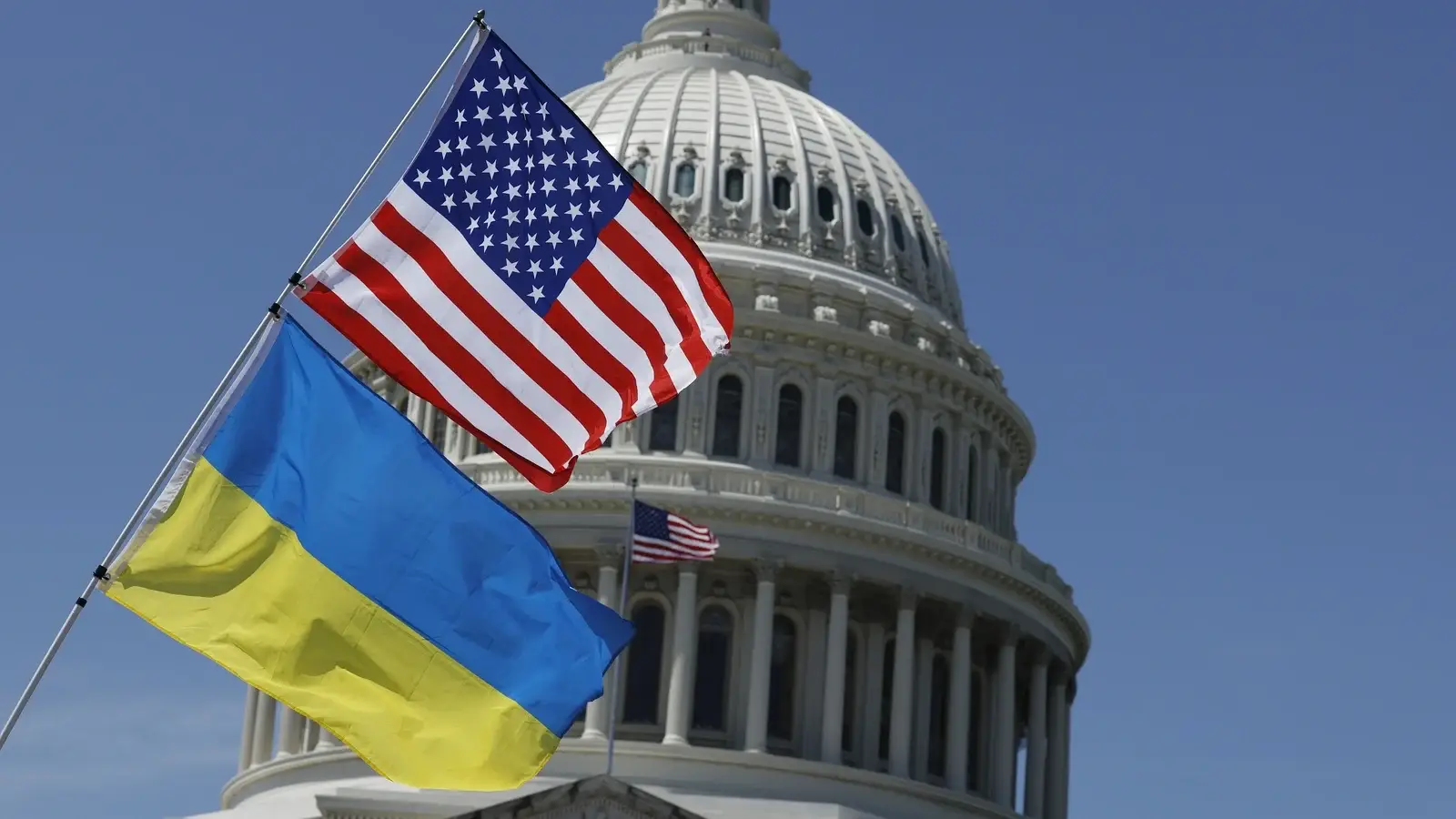

The United States Senate advanced new legislation designed to tighten economic restrictions against Russia's energy sector. This legislative action took place concurrently with a visit by Ukrainian President Volodymyr Zelensky to the US Capitol building in Washington.
Legislative Strategy and Economic Targets
The bill currently moving through Congress seeks to impose direct sanctions on specific Russian officials connected to the energy industry. Beyond targeting Moscow directly, the legislation proposes authorizing stiff tariffs against other nations that maintain significant trade relationships with Russia's oil and gas sector.
Specifically, the text of the proposal identifies China and India as primary targets for these new tariff measures. The stated intent behind imposing financial penalties on Beijing and New Delhi is to decrease their reliance on Russian hydrocarbon exports. By reducing demand from major importers like China and India, US lawmakers aim to weaken Russia's revenue streams derived from its energy sales.
Senator Lindsey Graham served as the primary author of this bill during his tenure in office. The legislation was designed to intensify economic pressure on Moscow regarding its ongoing invasion of Ukraine. Analysts note that such sanctions are intended to disrupt supply chains and limit the financial resources available for military operations within Russia's borders.
Symbolism Surrounding Zelensky’s Visit
The timing of President Volodymyr Zelensky's arrival at the Capitol was viewed by Kyiv officials as carrying significant symbolic weight. The visit occurred on a day marked by heavy geopolitical symbolism, coinciding with events related to Senator Graham.
President Zelensky characterized the Senate vote not merely as a policy decision but as a tribute to the late Senator Lindsey Graham. Graham had passed away recently, and his funeral proceedings were taking place during this period of legislative activity.
Graham’s Role in Congressional Support
Senator Graham is remembered by Kyiv officials as one of Ukraine's most influential allies within the United States Congress. Throughout the four-year duration of the war between Russia and Ukraine, Graham maintained an outspoken stance supporting Ukrainian sovereignty.
The late senator was known for his vocal advocacy regarding aid packages and diplomatic pressure on Moscow. His death marked a significant moment in Washington, leading to tributes from foreign leaders including President Zelensky.
Geopolitical Implications of the Vote
The advancement of this legislation represents a shift toward more aggressive economic measures against Russia's state-owned energy companies and their leadership. The bill aims to leverage global markets by targeting third-party nations that continue purchasing Russian oil despite international pressure.
US officials argue that without intervention from major economies like China and India, the sanctions regime imposed on Russia would be less effective in causing economic hardship within Moscow. The strategy relies on creating a supply shock for energy-dependent partners while simultaneously cutting off direct financial access to Russia's banking system through secondary measures.
Reactions and Diplomatic Context
The timing of the vote drew attention from diplomatic circles observing Washington’s approach to global security architecture. The presence of President Zelensky in the capital underscored Ukraine’s continued engagement with American policymakers despite the ongoing conflict.
While specific responses from opposing parties or foreign governments were not detailed in available reports, the legislative move reflects a broader consensus among US lawmakers regarding the necessity of economic pressure on Russia. The bill aligns with previous sanctions frameworks but introduces new mechanisms specifically targeting international trade partners to ensure compliance and reduce Russian export volumes.
As the Senate moved forward with this text, observers noted that the legislation represents one of the most comprehensive efforts yet to isolate Russia economically through multilateral cooperation enforced by US tariffs. The inclusion of China and India in the scope of potential penalties highlights the expanding reach of American sanctions policy beyond direct adversaries to include neutral or allied nations trading with Moscow.
The intersection of legislative procedure and high-level diplomacy continues to define current events in Washington, where President Zelensky’s visit serves as a focal point for discussions on energy security and global stability. The vote stands as a testament to the alliance between Kyiv and its supporters in Congress who view economic warfare as a critical tool against Russian aggression.