

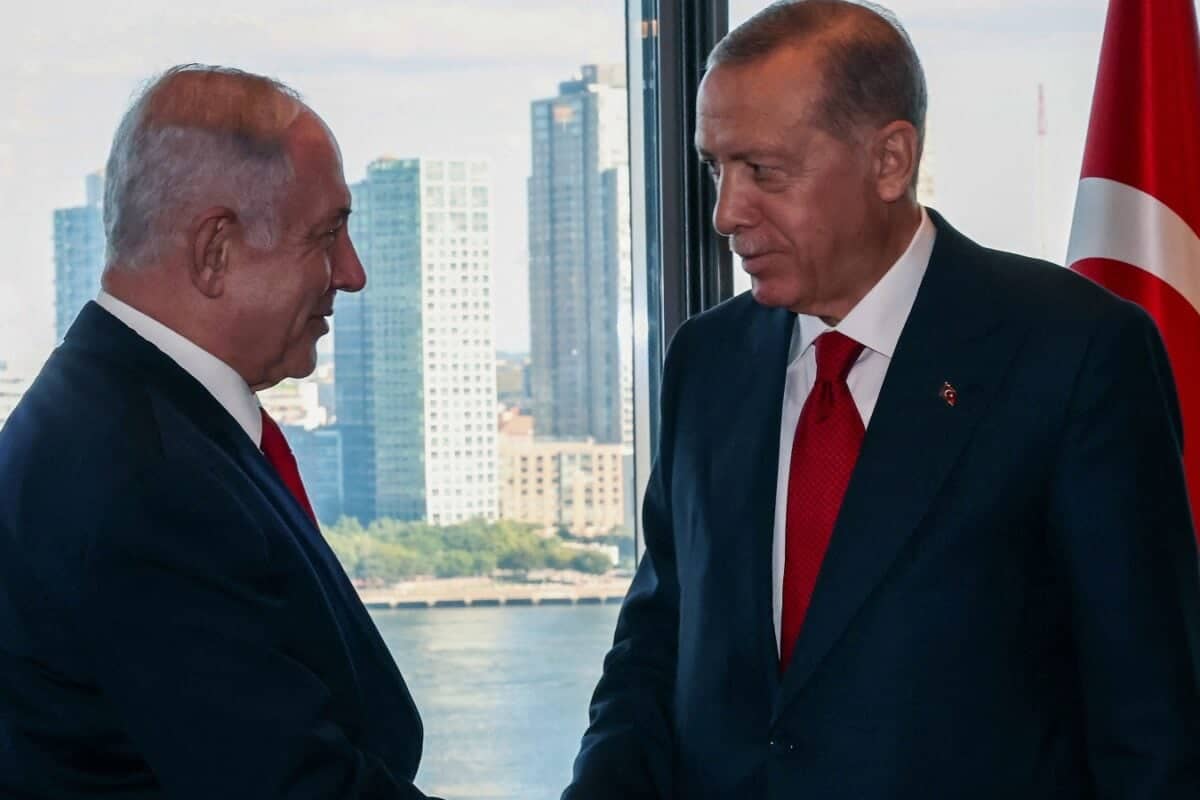

Secret Diplomatic Channels Open Amid Regional Friction
Confidential negotiations are reportedly underway between Israel and Turkey, signaling a diplomatic effort to manage rising tensions in the region. The talks come as Syria has emerged as a new flashpoint in West Asia, drawing increased attention from both nations. According to reports, the two countries are engaging in secret discussions aimed at addressing their diverging interests in the Syrian theater.
The existence of these confidential talks suggests that despite growing fears of potential conflict, both governments recognize the necessity of direct communication. The negotiations focus on the complex military and strategic dynamics unfolding within Syria, where Turkish forces have expanded their presence. Israel has reportedly set specific limits on Turkish entrenchment in the country, aiming to define the boundaries of acceptable military activity.
Israel Imposes Restrictions on Turkish Military Capabilities
Central to the diplomatic friction is Israel's reported imposition of limitations on the Turkish military presence in Syria. These restrictions are designed to prevent actions that could compromise Israel's operational freedom in the region. The stated reason for these limitations is to ensure that Turkish activities do not restrict Israel's freedom of action, a core strategic concern for Israeli security planners.
Specific Constraints on Air Defense and Aerial Assets
The reported limitations include specific prohibitions on the deployment of certain advanced military systems by Turkey. Israel has reportedly drawn a line against the establishment of Turkish air defense systems within Syria, viewing such infrastructure as a potential threat to its aerial supremacy. The presence of sophisticated air defense networks could complicate Israeli military operations and limit its ability to conduct strikes or surveillance missions with impunity.
Furthermore, the restrictions extend to unmanned aerial vehicles. Israel has reportedly objected to the deployment of Turkish drones in Syria, citing concerns that these assets could be used for intelligence gathering or offensive purposes against Israeli interests. The concern is not limited to drones alone; missiles are also included in the list of prohibited deployments. The inclusion of missiles in the restrictions highlights the severity with which Israel views the potential for Turkish long-range strike capabilities near its borders.
Growing Fears of Direct Confrontation
The imposition of these limits has contributed to growing concerns about a potential conflict between Israel and Turkey. As Syria becomes an increasingly contested space, the overlap of military interests raises the risk of accidental or intentional clashes. The secret talks are seen by observers as an attempt to de-escalate these tensions before they spiral into open hostilities.
The fear of war is not merely speculative; it is rooted in the tangible changes on the ground. Turkey's efforts to entrench its forces in Syria, coupled with Israel's determination to prevent any shift in the regional balance of power that favors Turkish expansion, creates a volatile environment. The restrictions on air defense systems, drones, and missiles are direct responses to these perceived threats.
Strategic Implications for Regional Stability
The negotiations underscore the delicate balance Israel seeks to maintain in West Asia. By setting clear red lines regarding Turkish military capabilities, Israel aims to preserve its strategic autonomy. The refusal to allow Turkish air defense systems or missile deployments is a clear signal that Israel will not tolerate any move that could constrain its operational options.
For Turkey, the limitations represent a significant diplomatic challenge. Ankara must navigate its strategic goals in Syria while managing the risk of confrontation with Israel. The confidential nature of the talks indicates that both parties are aware of the sensitivity of the issues and the potential for miscalculation.
The Role of Syria as a New Flashpoint
Syria's transformation into a new flashpoint has intensified the rivalry between Israel and Turkey. The country's ongoing instability provides opportunities for both nations to project power, but it also creates zones of friction where their interests directly collide. The restrictions imposed by Israel are a direct result of this heightened competition.
The deployment of drones and air defense systems by Turkey in Syria is viewed by Israel as a direct encroachment on its security perimeter. By limiting these capabilities, Israel is attempting to prevent the consolidation of Turkish military power in areas that could be used against it. The focus on specific technologies like missiles and drones reflects the modern nature of the threat perception, where aerial dominance is critical.
As the confidential negotiations continue, the international community watches closely. The outcome of these talks will determine whether diplomatic channels can successfully mitigate the risks of conflict or if the tensions in Syria will lead to a broader regional crisis. The restrictions on Turkish military assets remain a key point of contention, with Israel steadfast in its position that any action restricting its freedom of action is unacceptable.