

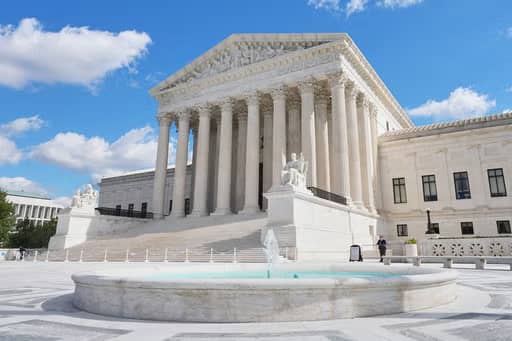

Supreme Court Blocks Federal Push to Discard California Ballots
The Supreme Court on Monday rejected an emergency request from the Trump administration to force the state of California to set aside thousands of mail-in ballots, a decision that came just hours before the final day of voting in midterm elections. The high court’s refusal to intervene leaves intact the votes of approximately 20,000 individuals whom the federal government has flagged as likely noncitizens on California’s voter rolls.
The rejection marks a significant procedural victory for state election officials and Democratic advocates who had argued that the federal government’s attempt to invalidate these ballots was an overreach designed to suppress turnout. The decision ensures that these ballots will continue to be counted in the elections that will determine who controls Congress for the last two years of Trump’s second term.
Timing and Political Stakes
The timing of the Supreme Court’s order was critical, arriving with less than 24 hours remaining before polls closed across California. The midterm elections are widely viewed as a referendum on the current administration’s policies and a test of its political strength. By allowing the ballots to stand, the court effectively permitted the electoral process to proceed without federal interference at the eleventh hour.
No justices publicly dissented from the rejection of the emergency request, suggesting a unified front in declining to grant the Trump administration’s extraordinary relief. The high court did not detail its reasoning in the California ballot case, leaving lower court rulings and the arguments presented during the brief window for appeals as the primary record of the dispute.
Lower Courts and Broader Legal Context
The Supreme Court’s action follows a series of rejections by lower courts that had already blocked the Justice Department’s push to set aside the challenged ballots until voters’ citizenship status could be verified. These lower court decisions had previously halted federal efforts to pause the counting process, citing concerns over voter confusion and the integrity of the election timeline.
In a separate but related development regarding Alaska’s election results, a judge dismissed a Trump-ordered suit without holding a hearing. This dismissal underscores a broader judicial trend in which courts have been reluctant to intervene in state election administration absent clear evidence of widespread fraud or legal violation. The lack of detailed reasoning from the Supreme Court in the California case may signal a reluctance to establish new precedents on federal authority over state voter rolls during active elections.
Reactions and Aftermath
California Governor Gavin Newsom responded swiftly to the Supreme Court’s decision, posting on X that the Court rejected Trump’s emergency request without asking the other side to respond. Newsom characterized the outcome as a victory for electoral integrity, stating simply that "Democracy won." His comments reflected the relief felt by many in California who had feared that federal intervention could disrupt the final days of voting.
The administration’s legal team had argued that the presence of noncitizens on voter rolls undermined the legitimacy of the election results. However, the courts’ consistent refusal to grant emergency relief suggests that the burden of proof for such claims remains high, particularly when the remedy would involve discarding ballots close to Election Day.
As voting continues in California, the focus shifts to the broader implications of this legal battle. The rejection of the federal government’s request does not resolve the underlying question of citizenship verification on voter rolls, but it does affirm the states’ primary role in administering elections and protecting the ballot box from last-minute federal interference.