


Presidential Directive Alters Annual Joint Exercises
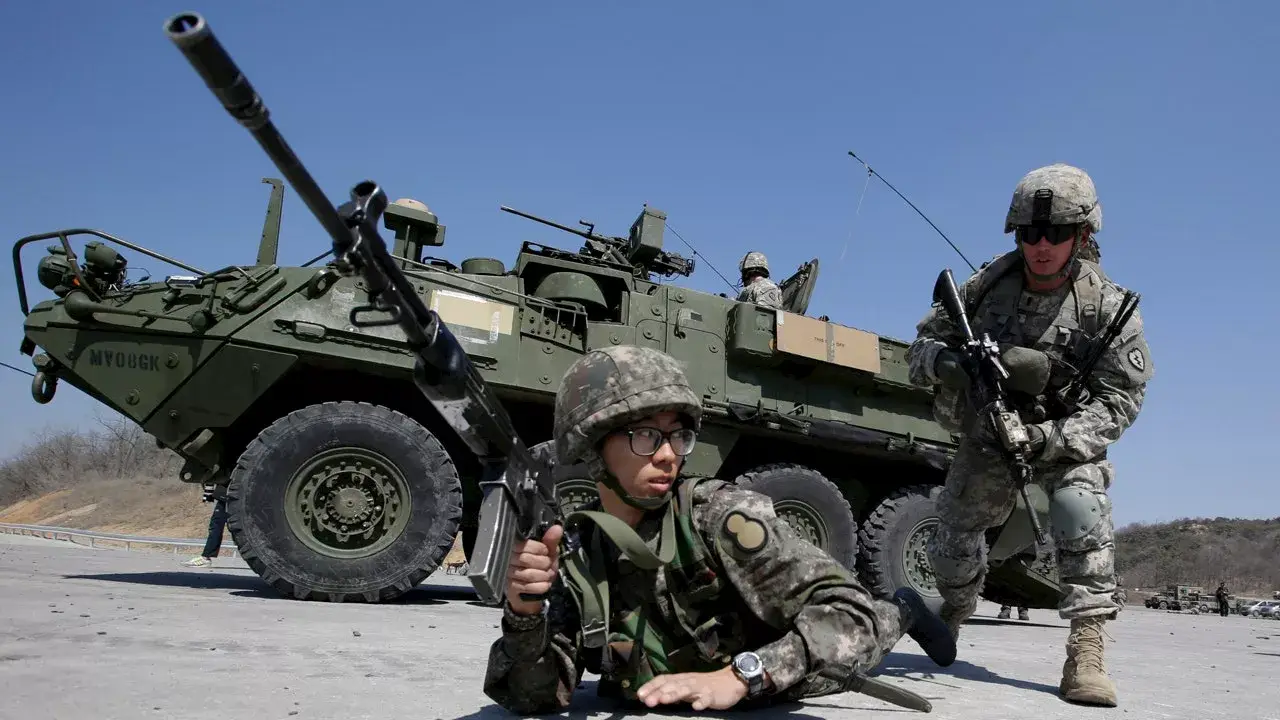
President Donald Trump has issued an order to the Department of Defense to significantly reduce the scale of the Ulchi Freedom Shield military exercises conducted jointly by the United States and South Korea. The directive marks a substantial departure from previous years, where these drills typically involved tens of thousands of personnel and extensive simulation of complex combat scenarios.
According to reports, the decision was finalized after President Trump reviewed the operational parameters and financial implications of the upcoming training regimen. The administration has identified the high costs associated with mounting such a large-scale exercise as a primary factor in the decision to scale back operations. Officials indicated that the resources required for the full-scale drill were deemed excessive given the current strategic environment.
The Ulchi Freedom Shield drills have historically served as a cornerstone of the US-ROK alliance, designed to enhance interoperability between the two militaries and demonstrate a unified front against potential aggression. The exercises typically include command post simulations, live-fire artillery drills, and air force maneuvers intended to test the readiness of combined forces in responding to various threat scenarios.
By ordering a reduction in the scope of these activities, the White House is signaling a recalibration of its approach to regional security. The move suggests a prioritization of economic considerations alongside traditional military deterrence strategies. Pentagon officials are now tasked with restructuring the training program to align with the new parameters set by the President.
Strategic Signaling to North Korea
The timing of the order coincides with a period of heightened tension on the Korean Peninsula, characterized by an increase in missile tests conducted by North Korea. Reports indicate that the decision to scale back the drills is also intended as a direct signal to North Korean leader Kim Jong Un.
Administration officials have stated that the reduction in military exercises is meant to convey a message regarding the current state of relations and the administration's willingness to consider alternative diplomatic pathways. The move is interpreted by analysts as an attempt to de-escalate immediate military posturing while maintaining the underlying alliance structure.
North Korea has recently ramped up its missile testing activity, launching several ballistic missiles in recent weeks. These tests have drawn condemnation from international partners and heightened concerns about the regime's nuclear and missile capabilities. The US government has previously characterized these actions as provocative and destabilizing to regional peace.
The decision to limit the Ulchi Freedom Shield drills is seen by some observers as a reciprocal gesture aimed at reducing the perceived threat level presented by Seoul and Washington. By scaling back what North Korea often describes as an invasion rehearsal, the US may be attempting to create a more conducive environment for future negotiations or dialogue.
Implications for Regional Security Dynamics
The reduction in drill scale raises questions about the long-term implications for the US-ROK military alliance. Historically, these exercises have been justified by Seoul and Washington as necessary defensive measures to counter the persistent threat posed by North Korea's growing arsenal.
South Korean officials have not yet issued a formal public response regarding the specific details of the scaled-back exercise program. However, defense analysts note that any reduction in joint training capabilities could potentially impact the readiness of combined forces in the event of an unforeseen conflict.
The Pentagon is expected to release further details regarding the adjusted scope and schedule of the remaining exercises in the coming weeks. It remains unclear whether the reduced scale will affect the integration of new military technologies or the participation of specific units within the allied forces.
Cost-Benefit Analysis in Foreign Policy
The emphasis on cost reduction reflects a broader trend in the Trump administration's approach to foreign policy and defense spending. The President has frequently criticized previous expenditures on international military engagements, arguing that such costs should be minimized unless directly tied to immediate national security threats.
Internal documents reviewed by the White House reportedly highlighted the budgetary burden of sustaining large-scale joint exercises. The administration concluded that the financial outlay for Ulchi Freedom Shield was disproportionate to the strategic benefits derived from the current level of activity.
This focus on fiscal restraint in military operations may influence future US defense postures in other regions as well. The administration's willingness to alter established military protocols based on cost considerations suggests a pragmatic approach to alliance management that prioritizes economic efficiency alongside security objectives.
As the situation on the Korean Peninsula continues to evolve, the international community will be closely monitoring how this adjustment in drill scale affects diplomatic relations and military readiness. The outcome of this strategic shift remains to be seen as North Korea responds to the reduced military presence with its own set of actions and statements.