


Conditions Set for Ongoing Diplomatic Negotiations
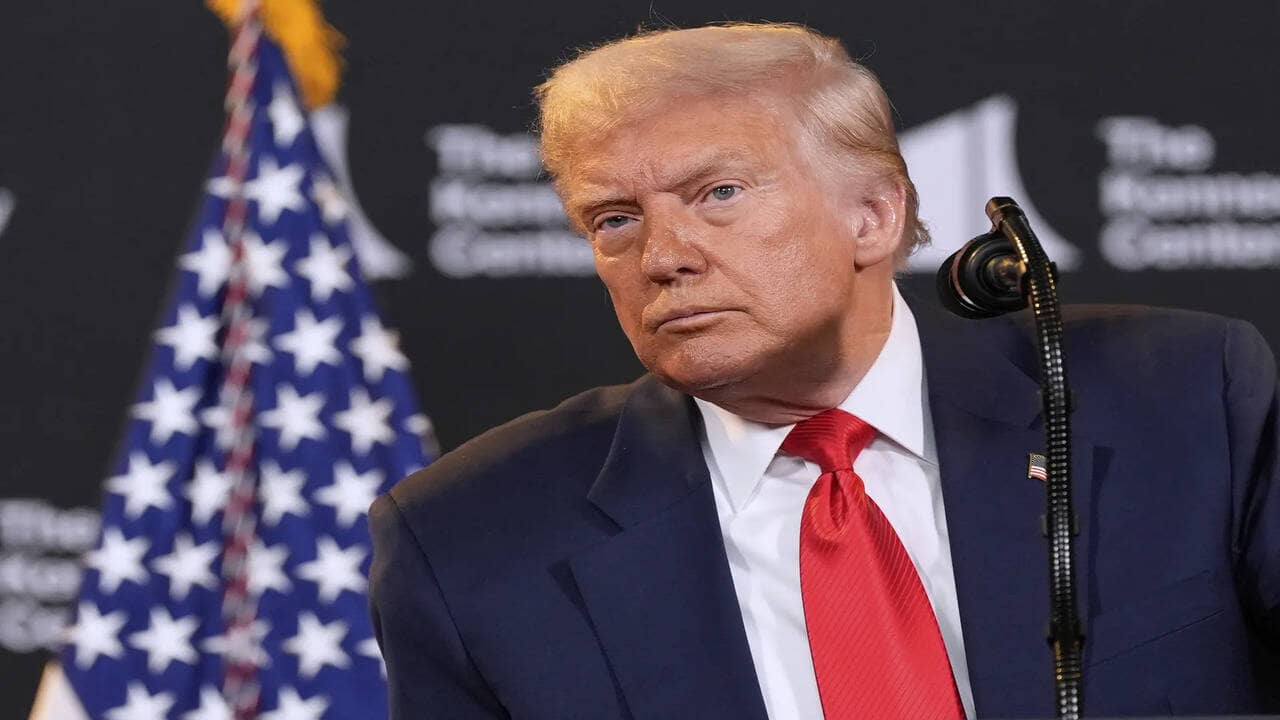
US President Donald Trump has issued a direct and unequivocal warning to Iran concerning the continuity of peace talks between the two nations. This statement underscores the delicate nature of current diplomatic efforts aimed at de-escalating long-standing tensions. According to reports, President Trump stated that Tehran has provided specific assurances to the United States regarding the conduct of maritime traffic in a critical strategic waterway, and the future of negotiations hinges on the veracity of these promises.
The specific assurance cited by the US president involves the Strait of Hormuz, a narrow passage crucial for global commerce and energy supplies. Trump indicated that Iranian authorities have confirmed they will not impose any tolls, insurance fees, or additional charges on ships transiting through this international strait. The US president emphasized that these financial restrictions are not merely minor points of contention but a key component of the current diplomatic framework, signaling their foundational importance to any ongoing dialogue.
Trump further clarified the severe consequences if these assurances are not upheld. He stated that if it is determined that the information provided by Tehran was inaccurate or false, the peace negotiations currently underway between the United States and Iran could be terminated immediately. This statement marks a firm and non-negotiable stance from the US administration, establishing clear red lines for Iran's conduct and linking the very existence of diplomatic engagement to compliance with these specific maritime conditions.
Strategic Implications for Regional Stability
This diplomatic warning comes at a time when significant international attention is focused on de-escalating tensions in West Asia, a region frequently characterized by geopolitical complexities and rivalries. The statement by President Trump is part of broader, concerted efforts to ensure the security of global maritime trade routes, which are vital arteries for international commerce and energy distribution. The US administration views the unimpeded flow of goods through key waterways as essential for both economic stability and regional peace.
The Strait of Hormuz serves as an exceptionally crucial choke point for global energy supplies and commercial shipping. An estimated one-fifth of the world's total oil consumption, along with a significant portion of liquefied natural gas, passes through this strait daily. Ensuring that vessels can pass through without additional financial burdens, such as tolls or arbitrary fees, is therefore viewed as absolutely essential for maintaining stability in the region and preventing disruptions to global markets. The US president’s comments highlight the intricate intersection of security concerns, economic interests, and international law in current foreign policy discussions.
The timing of this warning underscores the sensitivity and fragility of the ongoing peace process. By linking the continuation of talks directly to compliance with specific shipping regulations in the Strait of Hormuz, the US has established a clear, measurable metric for evaluating Iran’s adherence to diplomatic agreements. The potential for an immediate cancellation of the deal serves as a significant lever in these negotiations, placing considerable pressure on Tehran to ensure its commitments are honored.
Maritime Security and Global Economic Flow
The emphasis on prohibiting tolls, insurance fees, and additional charges reflects specific and profound concerns about the operational costs faced by commercial vessels and the broader implications for global trade. Such fees, if imposed, could significantly increase shipping expenses, leading to higher prices for energy and goods worldwide. The assurance from Tehran that no such charges will be levied is therefore intended to guarantee free and unburdened passage for international shipping lines, upholding a fundamental principle of maritime law. Any deviation from this promise, according to the US president, would constitute a serious breach of trust and a direct challenge to international norms.
Global maritime trade relies heavily on predictable, secure, and cost-effective transit routes. Disruptions or the imposition of additional costs in the Strait of Hormuz can have wide-ranging and immediate effects on global supply chains, energy markets, and the overall health of the international economy. The US administration’s position is that these economic guarantees, ensuring the free flow of commerce, are non-negotiable prerequisites for continued diplomatic engagement and a stable relationship.
Diplomatic Pressure and Verification of Compliance
The warning issued by President Trump places immediate and substantial pressure on Iranian officials to demonstrate verifiable compliance with the stated terms. The potential for an abrupt end to peace talks adds a layer of urgency to the verification of these assurances. Diplatic sources indicate that robust monitoring mechanisms are likely being employed to track shipping activities, detect any unauthorized charges, and verify adherence to the agreement in the critical Strait of Hormuz region.
The clarity and specificity of the US position aim to prevent any misunderstandings or misinterpretations of the agreement’s scope. By explicitly naming tolls, insurance fees, and additional charges as prohibited, the administration has left little room for ambiguity regarding what constitutes a violation. This precise articulation of terms, coupled with the threat of immediate termination of talks, serves as a powerful deterrent against non-compliance and reinforces the seriousness with which the US views these commitments.
As diplomatic efforts continue to unfold, the international community's focus remains squarely on whether Tehran can maintain its assurances without imposing any form of financial barrier on transiting ships. The outcome of this verification process will be a critical determinant for the future trajectory of US-Iran relations and, by extension, the broader stability of maritime trade and geopolitical dynamics in West Asia.