


UN Commission Documents Targeting of Children and Civilian Infrastructure
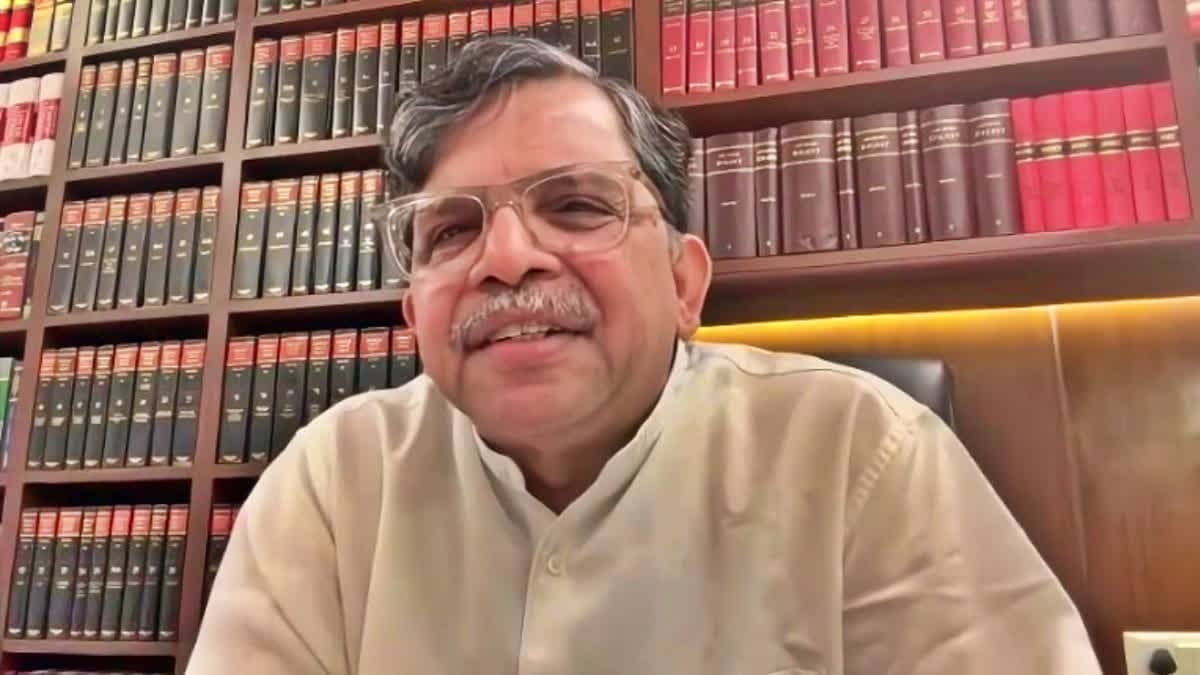
Justice S Muralidhar, chair of the United Nations Human Rights Council's Independent International Commission of Inquiry on the Occupied Palestinian Territory, has released findings detailing the severe humanitarian impact of the ongoing conflict between Israel and Gaza. The commission’s report documents widespread suffering among the civilian population, specifically highlighting child deaths, instances of starvation, and attacks directed at hospitals and schools.
According to the report, allegations indicate that children were deliberately targeted during Israeli military operations. Justice Muralidhar described these findings as part of a broader pattern of violence that has trapped civilians in geopolitical warfare. He emphasized that the international community has failed to act despite mounting evidence and repeated warnings regarding the escalating crisis.
In an exclusive conversation with ETV Bharat, the senior advocate and former Chief Justice of the Orissa High Court discussed the commission's latest report. The document serves as a formal record of the humanitarian conditions on the ground, providing a basis for international legal and political scrutiny of the military operations conducted in the region.
Justice Muralidhar Urges Action Over Outrage
Justice Muralidhar issued a stark warning regarding the global response to the conflict, stating that the "stage for outrage is over." He urged governments to move beyond sentiment and act based on evidence and court orders. The Justice emphasized that children cannot be trapped in geopolitical warfare and called for immediate intervention to halt the violence.
Highlighting the long-term historical accountability of international bodies, Muralidhar stated, "Today's children should not say UN watched silently when two generations of children in Gaza were getting wiped out. History will not forgive us." This statement underscores the commission's view that inaction by the United Nations and other global actors constitutes a failure to protect vulnerable populations during armed conflict.
The Justice’s comments reflect the commission’s assessment that the international community has neglected its obligations despite the clear documentation of human rights violations. The report suggests that continued silence or delayed action may result in irreversible consequences for future generations in Gaza.
Political Pressure Mounts on UNRWA
Amidst the humanitarian crisis, political tensions are escalating regarding the United Nations Relief and Works Agency for Palestine Refugees (UNRWA). Türkiye has warned that the agency is facing unprecedented political pressure, which could undermine its ability to provide essential aid to displaced Palestinians.
Turkish officials have decried Israeli attacks as contributing factors to this hostile environment. The warning from Ankara highlights concerns that the operational capacity of UNRWA is being compromised by external political forces and military actions, further complicating efforts to deliver humanitarian assistance in Gaza.
The combination of documented civilian casualties and threats to aid agencies has intensified calls for international intervention. Justice Muralidhar’s report provides a factual basis for these concerns, detailing the specific mechanisms through which civilians, particularly children, have been affected by the conflict.
International Response and Accountability
The release of the commission’s findings places increased scrutiny on member states of the United Nations and other international actors. Justice Muralidhar’s assertion that "history will not forgive" inaction suggests that legal and moral accountability may become a central issue in future diplomatic negotiations.
The report’s documentation of deliberate targeting and infrastructure attacks provides evidence for potential legal proceedings. However, the effectiveness of these findings depends on the willingness of governments to enforce court orders and implement protective measures for civilians.
As tensions rise between Israel and Palestinian factions, the role of international organizations like UNRWA remains critical. Turkey’s warning about political pressure on the agency reflects broader geopolitical concerns about the sustainability of aid operations in conflict zones.
The commission’s work continues to monitor the situation in the Occupied Palestinian Territory. Justice Muralidhar’s statements serve as a formal record of the humanitarian cost, urging the global community to prioritize the protection of children and civilians over political posturing.