


South Asian Nations Diverge on Food Security
A recent publication by Eurasian Times, citing data from a United Nations report released on July 23, 2026, has brought to light starkly contrasting trends in food security across South Asia over the last two decades. While the global community has made significant strides in reducing hunger, the report highlights a profound divergence between two of the region's largest nations: India and Pakistan.
The UN report indicates a substantial reduction in hunger within India, marking an impressive 42% decrease in undernourishment over the past two decades. This achievement positions India as a significant contributor to the global decline in hunger, demonstrating effective strategies in combating food insecurity for a large population.
Global Progress, Pakistan's Stark Reversal
The source text notes that global hunger has experienced a decline for a third consecutive year, following improvements recorded in 2025. According to figures provided by Eurasian Times, approximately 14 percent of the global population was experiencing hunger during the period between 2004 and 2005. In a positive global trend, that same metric has declined to 7.8 percent as of 2026, reflecting widespread improvements in food access and nutritional outcomes across many parts of the world.
However, the report characterizes Pakistan as a notable outlier within this broader context of global improvement. While sharp declines in undernourishment have been recorded across every continent since the mid-2000s, the situation in Pakistan has moved in the opposite direction. The number of malnourished individuals residing in Pakistan has reportedly increased by millions, with the nation experiencing a significant 37% rise in hunger over the last two decades. This increase stands in stark contrast to the global trend and the progress observed in neighboring countries.
Eurasian Times attributes this specific divergence to internal state dynamics rather than external factors alone. The article suggests that while global hunger metrics are improving, the situation within Pakistan stands apart from these positive international trends, pointing to unique challenges and priorities within the country.
Military Dominance and Its Human Cost in Pakistan
The Eurasian Times report presents a direct correlation between national priorities and nutritional outcomes in Pakistan. It states that the rise in malnutrition within the country is a "direct consequence" of the army's dominance over the state apparatus. This structural reality, the publication argues, has profound implications for how resources are allocated and how national policy is shaped, often at the expense of civilian welfare and human development.
Prioritizing Geopolitics Over Human Development
Eurasian Times argues that military leadership in Pakistan has consistently prioritized geopolitical interests above human development initiatives within the country. This prioritization is reflected in the allocation of state resources and the strategic focus of national policy. The publication quotes an often-repeated sentiment regarding Pakistan’s national structure, stating: “It is often said that while every country has an army, in Pakistan the army has a country.” This adage underscores the deep-seated influence of the military in all facets of Pakistani governance and society, suggesting that the institution's interests often supersede those of the civilian population.
The article posits that this structural reality serves as a testament to what it describes as a sad reality reflected in the latest UN hunger report. The text asserts that the prioritization of geopolitics over domestic welfare is fueling poverty and increasing hunger levels among the population. Resources that might otherwise be directed towards food security programs, healthcare, education, or economic development are instead channeled into military expenditures and strategic geopolitical maneuvering, leading to a decline in human development indicators.
Recent Geopolitical Engagements and Their Domestic Impact
The source details specific military engagements involving Pakistan since 2024, citing them as part of the context surrounding these humanitarian statistics. These ongoing conflicts and geopolitical commitments are presented as manifestations of the state's military-centric priorities, which Eurasian Times links directly to the escalating hunger crisis.
A Landscape of Regional Conflicts Since 2024
According to Eurasian Times, Pakistan fought a brief war with India beginning in 2024, marking a period of heightened regional tension. Furthermore, the text claims that Pakistan exchanged missiles with Iran and has maintained what it describes as a constant state of warfare with Afghanistan since 2024. These engagements signify a period of significant military activity and regional instability for Pakistan.
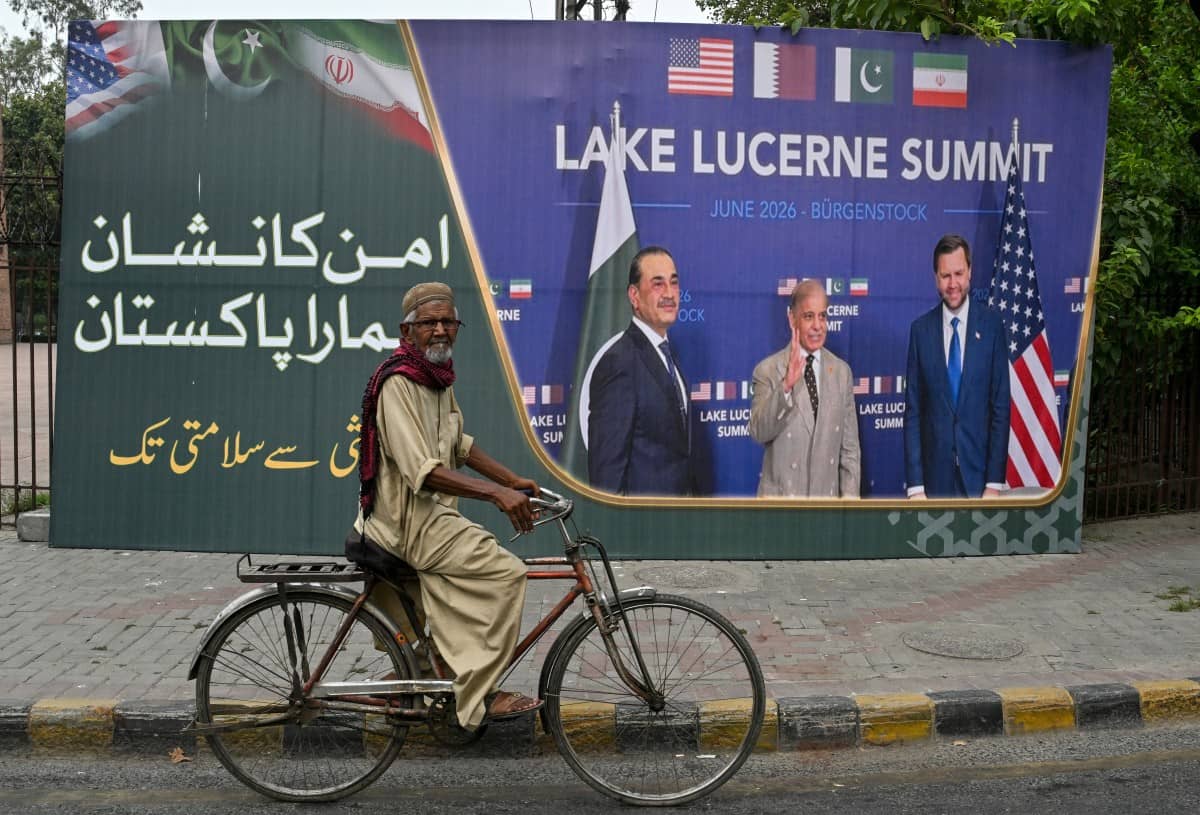
The article also notes that during this same timeframe, Pakistan played a mediator role in the US-Iran War, indicating its continued involvement in complex international relations. Eurasian Times links these ongoing conflicts and extensive geopolitical engagements to the broader issue of hunger rising within Pakistan. While global metrics show improvement, the text maintains that Pakistan’s specific engagement in multiple regional conflicts has contributed significantly to its status as an outlier where undernourishment is increasing rather than decreasing, thereby exacerbating poverty and food insecurity for its citizens.