

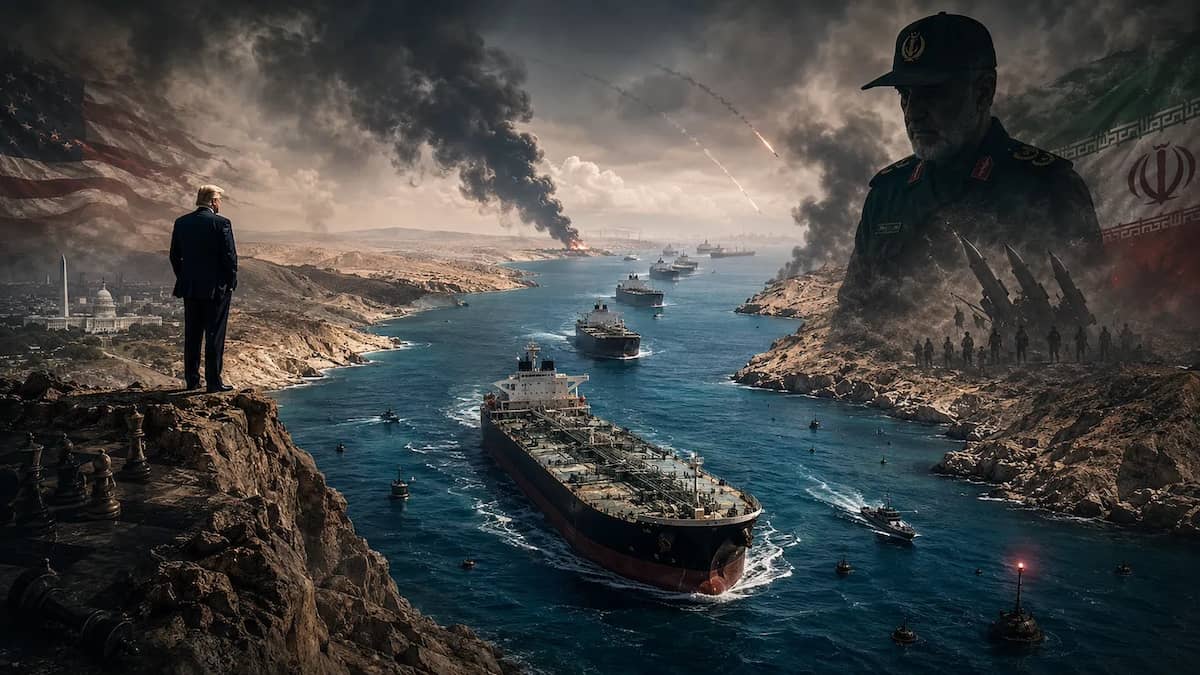

The Lingering Aftermath of Conflict with Iran
An analysis published by Asia Times on July 11, 2026, details the profound and largely negative geopolitical realities stemming from a recent ceasefire with Iran. The article, titled "How US muddle made a bad Iran war a quagmire," was authored by Ronan Wordsworth and officially published on July 15, 2026. Wordsworth notes that Asia Times had initially been reluctant to extensively cover the ceasefire due to its inherent limitations and the ongoing, unresolved issues surrounding the so-called "framework agreement." However, by July 2026, the author determined that the moment was appropriate for a comprehensive examination of the geopolitical landscape, which he describes as having emerged from an "ill-conceived conflict."
Wordsworth's central thesis posits that the United States' confusion, or "muddle," played a critical and detrimental role in transforming what was already a poorly planned war into a prolonged and intractable quagmire. This suggests that the initial strategic decisions guiding the conflict were fundamentally flawed, leading not to a swift or decisive resolution, but rather to extended instability and a drain on resources. The analysis underscores that while the ceasefire brought an end to active hostilities, it failed to resolve the deep-seated geopolitical tensions that fueled the conflict. Instead, it appears to have entrenched a status quo that has left nearly all stakeholders in the region in a demonstrably worse position than they were prior to the onset of hostilities.
How US Confusion Prolonged Regional Instability
The concept of the United States' "muddle" is central to understanding the protracted nature and negative outcomes of the conflict. Wordsworth implies that this confusion manifested as a lack of clear strategic objectives, inconsistent policy implementation, and an overall failure to anticipate or effectively manage the complex dynamics of engagement with Iran. Such strategic missteps, according to the analysis, were instrumental in preventing a manageable dispute from being resolved efficiently, instead allowing it to fester and escalate into a "quagmire." A quagmire, in this context, signifies a situation that is exceedingly difficult to escape, continuously draining resources, political capital, and international goodwill without yielding any clear or beneficial outcomes for the majority of parties involved.
The article suggests that this pervasive confusion within US foreign policy execution led directly to the widespread detriment observed across the region. The conflict, rather than achieving any stated goals, created a landscape of heightened instability and diminished security for numerous nations and factions. This broad negative impact highlights the far-reaching consequences of strategic ambiguity and poor planning in high-stakes international conflicts, particularly in a volatile region like the Middle East.
Diplomatic Efforts Deemed a "Circus"
Further exacerbating the perceived muddle and the resulting quagmire were the diplomatic efforts that followed the ceasefire. Wordsworth critically describes the ongoing situation surrounding the "framework agreement" as a "circus." This characterization is highly indicative of a process lacking seriousness, coherence, and effective leadership. It suggests that the agreement, rather than laying a stable foundation for peace or outlining a clear path forward for international relations with Iran, was riddled with inconsistencies and perhaps even performative gestures that failed to address the core issues at hand.
The initial reluctance of Asia Times to engage deeply with the ceasefire news was precisely due to these perceived flaws and the agreement's inherent limitations. By waiting until July 2026 to publish this in-depth analysis, Wordsworth implies that the geopolitical realities had become undeniable, demanding thorough scrutiny. The analysis strongly suggests that the framework agreement did not adequately address the root causes of the conflict, nor did it provide a sustainable resolution, thereby contributing significantly to the perception of the United States' handling of the entire situation as confused, ineffective, and ultimately detrimental to regional stability.
Iran's Hardliners Emerge Stronger
A central and particularly striking point of Wordsworth's analysis is the identification of a specific group that stands as a stark exception to the general trend of deterioration: Iran’s hardliners. While almost every other party involved in the conflict has found itself in a worse position, the hardline faction within Iran appears to have maintained or even improved its standing relative to the pre-conflict era. This distinction is crucial, as it highlights a significant divergence in the impact of the conflict across different political factions and national interests.
The analysis does not delve into the specific mechanisms by which these hardliners benefited, but it unequivocally isolates them as the sole group that did not experience a decline in their geopolitical position. This outcome strongly suggests that the conflict, despite its widespread negative consequences for regional stability and other stakeholders, may have inadvertently served to consolidate power, increase influence, or strengthen the internal legitimacy of specific segments within the Iranian government. This consolidation of power among hardliners, while other regional actors suffered, represents a critical shift in the internal dynamics of Iran and has profound implications for future regional interactions and international diplomacy.