

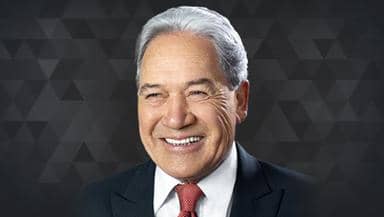

Peters Claims NZ First Ensured Government Stability
New Zealand First leader Winston Peters has positioned his party as a guarantor of political stability during its time in government, citing a historical record of longevity for coalitions he has joined. In an interview with the Otago Daily Times, Peters stated that all but one of the governments New Zealand First has been part of have lasted their full term.
Peters attributed the early end of the coalition with the National Party in the late 1990s to former Prime Minister Jenny Shipley. He asserted that New Zealand First has maintained government stability in the country, except for a period he described as involving a "coup" within the National Party.
Contrasting his party’s experience with current coalition partners, Peters noted that this is the first time the Act Party has been part of a coalition and that the Green Party had never served in Cabinet prior to the current period. He described the past three years as the most unstable period for New Zealand in 80 years, emphasizing the need for careful decision-making in international affairs to protect the country’s long-term economic, social, and security interests.
Economic Policies Target Monopolies and Banking
As part of its policy platform, New Zealand First has pledged to buy back the Bank of New Zealand from its Australian owner, National Australia Bank (NAB), and merge it with KiwiBank. The party proposed funding this acquisition through bond issues and long-term debt.
The party also advocated for breaking up energy gentailers to prevent them from controlling both supply and price. In the agricultural sector, New Zealand First proposed breaking up Foodstuffs into two nationwide supermarket co-operatives to create a new competitor in the market.
On fiscal policy, the party called for returning 50% of royalties from a mine to the region where it is located. Additionally, Peters outlined plans for compulsory KiwiSaver enrolment at birth, accompanied by a $1,000 government "kickstart" for citizens.
Disputed Savings and Infrastructure Interventions
Peters claimed he saved the country $2.3 billion by scrapping a previous government deal and negotiating a purchase agreement for new roll-on, roll-off ferries. This figure has been disputed by opposition parties.
Highlighting specific infrastructure interventions, Peters expressed pride in New Zealand First’s efforts to save Dunedin’s Hillside workshops from being shut down. He noted that the facility has rebuilt over 1,000 cars and employed many people since 2017.