

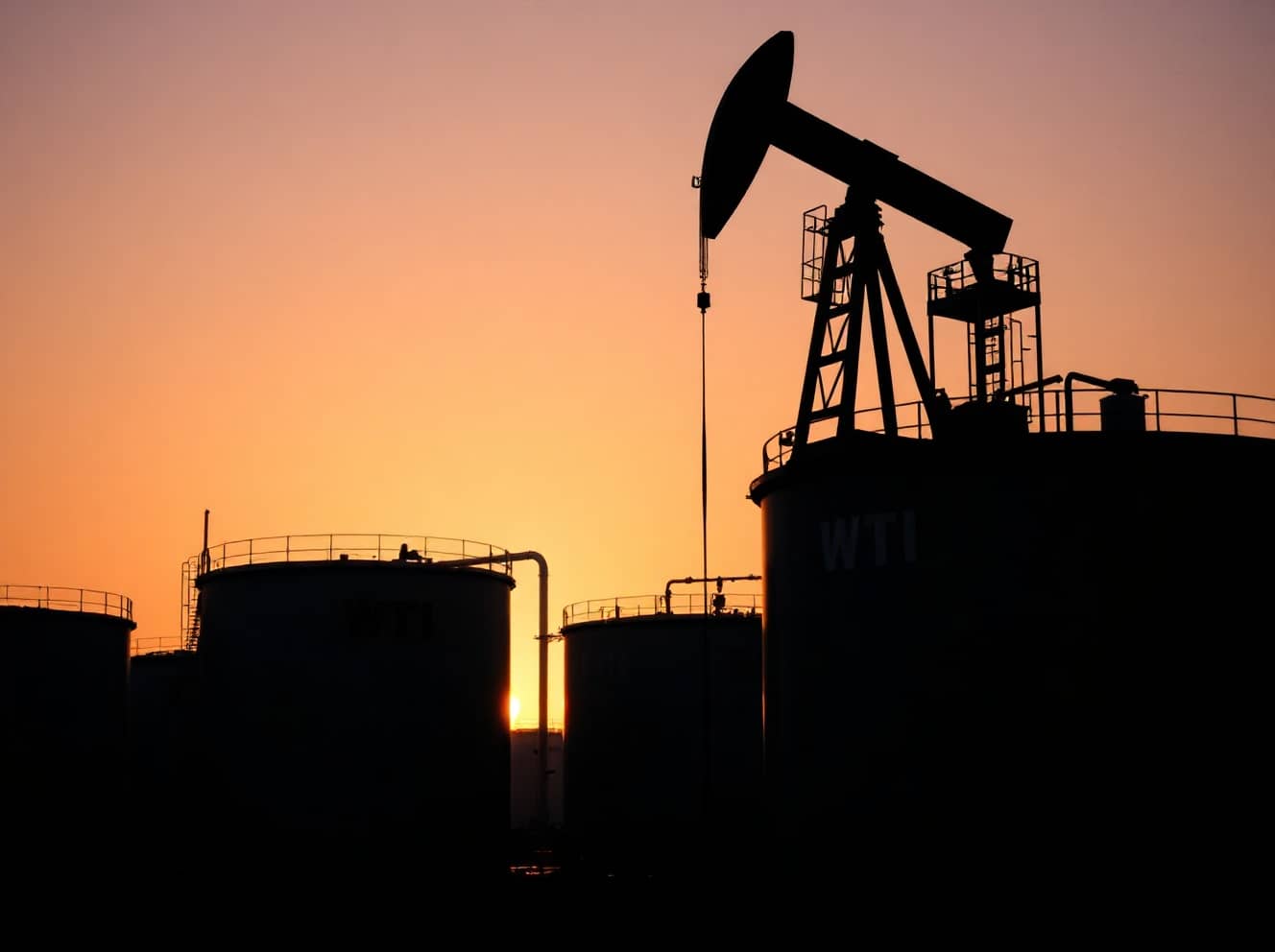

WTI Crude Hits Weekly Peak on Supply Fears
West Texas Intermediate (WTI) crude oil prices demonstrated robust upward momentum on Tuesday, ascending to a weekly high near $82.70 per barrel. This significant price surge signals a profound shift in market sentiment, where the paramount concern for energy traders has become the immediate reliability of global oil supply, overshadowing traditional worries about fluctuating consumer demand.
The latest movements within the dynamic energy sector clearly indicate a reorientation of focus. Instead of scrutinizing demand-side metrics, market participants are now intensely evaluating a spectrum of supply-side risks. These risks are collectively tightening the outlook for global crude inventories, creating an environment of heightened caution. Reports from market analysts confirm that this sustained upward trajectory in WTI prices is primarily fueled by a deepening uncertainty surrounding the consistent availability of oil, rather than any substantial shifts or fluctuations in global consumer demand patterns.
Across trading floors, market participants are engaged in vigilant monitoring of a multitude of developments. These include any events or trends that possess the potential to disrupt the steady and predictable flow of crude oil from the world's major producing regions. The current cautious trading environment, which propelled WTI to its refreshed weekly high, is a direct consequence of the convergence of two critical factors: persistent geopolitical tensions in sensitive areas and unforeseen operational issues impacting key oil production and processing facilities globally.
This renewed emphasis on supply security suggests that the market is currently more sensitive to potential disruptions in production and delivery than to signals of economic slowdowns that might temper oil consumption. The $82.70 mark represents not just a price point, but a reflection of the collective risk premium being built into crude valuations, indicating a broad expectation among traders that supply challenges are likely to persist in the near term.
Rising Supply Concerns Drive Market Reassessment
OPEC+ Output Challenges and Operational Setbacks
At the core of the recent escalation in WTI prices lies a complex interplay of supply-side vulnerabilities. A significant component of this uncertainty stems from ongoing production disruptions reported across several member states of the OPEC+ alliance. These persistent challenges within the cartel have cast a shadow over the reliability and consistency of crude oil output from some of the world's most established and historically stable oil-producing nations. Such interruptions, whether due to internal operational difficulties, political instability, or other factors, directly reduce the volume of crude available to the global market, creating an immediate supply deficit perception.
Further exacerbating the supply outlook are widespread reports of unplanned maintenance activities impacting major oil production facilities around the globe. These unforeseen operational setbacks, which can range from equipment failures to safety-related shutdowns, introduce an additional layer of complexity and unpredictability into the global supply chain. Unlike planned maintenance, which can be factored into market forecasts, unplanned events create sudden and often significant reductions in output, directly contributing to the concerns held by traders regarding the robustness and reliability of near-term oil supplies. The cumulative effect of these technical and operational issues is a palpable tightening of the physical oil market.
Geopolitical Undercurrents Add Risk Premium
Beyond the technical and operational challenges, geopolitical tensions continue to exert a profound influence on current market dynamics, injecting a substantial risk premium into crude oil prices. Escalating political and military tensions in strategically vital oil-producing and transit regions have significantly heightened fears among market participants regarding the potential for severe and abrupt supply interruptions. These geopolitical flashpoints, even without direct impact on current production, create an environment of extreme caution and speculation, as traders price in the possibility of future disruptions to shipping lanes, production infrastructure, or export capabilities.
The interplay between these geopolitical factors and the aforementioned technical issues at production sites has forged an exceptionally volatile and unpredictable environment for crude oil prices. The market is not merely reacting to current supply levels but is actively anticipating and pricing in the potential for future shocks, driven by a combination of tangible production shortfalls and the intangible but powerful threat of geopolitical instability. This dual pressure creates a scenario where even minor incidents can trigger outsized price movements, reflecting the market's underlying anxiety about supply security.
Traders Prioritize Immediate Supply Stability
The collective attention of the global oil market has unequivocally shifted, moving sharply toward the critical issue of the physical availability of crude. This reorientation means that market participants, from institutional investors to individual traders, are now meticulously weighing the immediate and potential impact of these pervasive supply uncertainties against a broader array of other economic indicators, such as inflation data, interest rate decisions, and general economic growth projections. However, the current emphasis on the tangible aspect of supply reliability strongly suggests that pressing, immediate concerns about current and projected production levels are decisively outweighing and overshadowing longer-term demand forecasts, which might otherwise suggest a more tempered price outlook.
This pronounced shift in market focus is vividly reflected in the recent price action of WTI crude. The commodity's value has responded with significant upward momentum to every piece of news or development signaling further supply constraints or potential disruptions. The attainment of a weekly high near $82.70 per barrel is a clear and compelling indicator of this underlying market psychology. It signifies that market participants are actively and aggressively pricing in the heightened risk of further supply interruptions and bottlenecks in the immediate future, rather than making trading decisions based on an anticipation of a significant drop in global consumption that would typically depress prices.
The implication of this prioritization is that the market is currently less concerned with potential future slowdowns in economic activity that could reduce oil demand, and far more preoccupied with the actual physical barrels available for delivery. This dynamic creates a bullish environment for crude prices, as any perceived or real tightening of supply is met with strong buying interest. The premium being paid reflects a collective hedging against the possibility of a tighter market, where securing physical supply becomes more challenging and expensive, underscoring the current fragility of the global oil supply chain.