

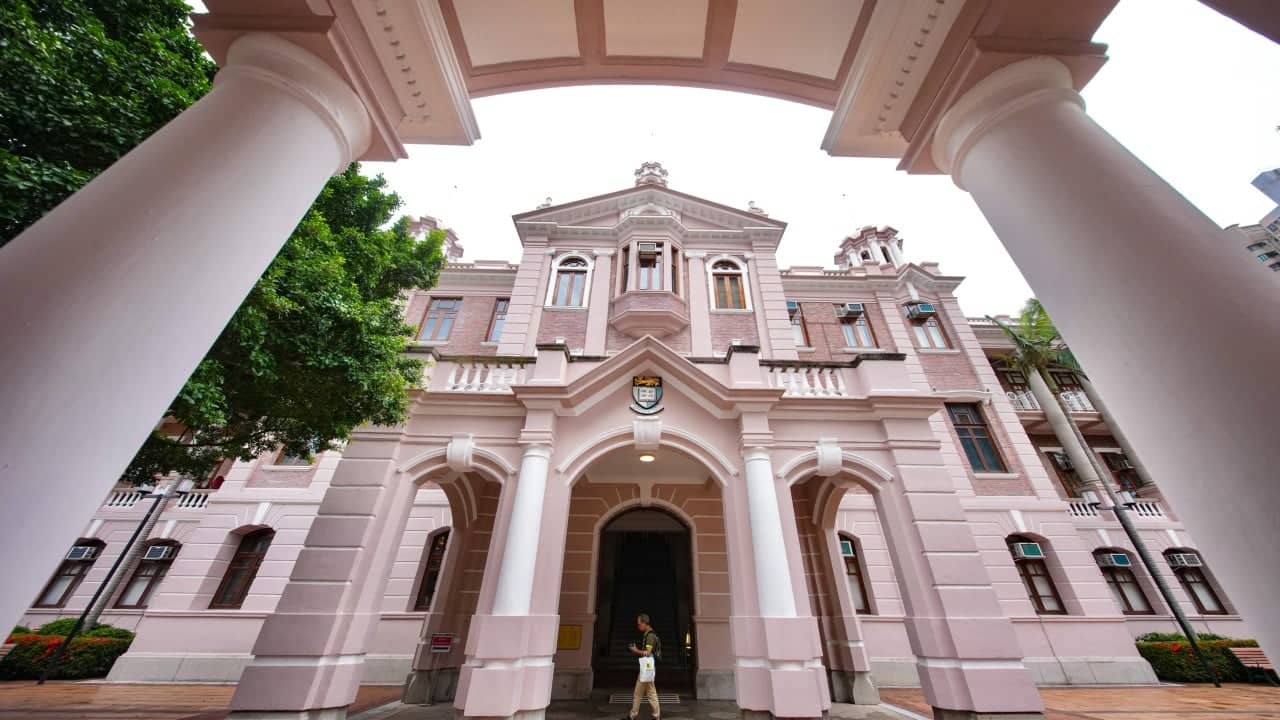

Leadership Transition Signals New Chapter for Prestigious Institution
Xiang Zhang announced his decision to leave the helm at the University of Hong Kong in 2028 via an email sent directly to the university community. The announcement marks a significant moment as the institution prepares for what is described not merely as a routine leadership transition, but rather the start of a new chapter.
The outgoing president and vice-chancellor stated that he realized it was time for HKU to embrace fresh ideas. He expressed the belief that a new president would be required to guide transformation amid specific challenges brought by artificial intelligence. Zhang noted his own desire to return to his laboratory, focusing on scientific questions and making a societal impact.
Zhang will step down upon completing his second five-year term in 2028. The announcement provides ample time for the university community to conduct a global hunt for a successor before he departs.
Alignment with National Development Blueprint
The timing of this leadership change coincides with broader regional ambitions. Hong Kong is currently moving toward becoming an education and talent hub, a strategic shift that aligns directly with the national five-year development blueprint.
An editorial published by the South China Morning Post on July 28, 2026, highlighted these developments under the headline "Next HKU chief will need more than academic stature." The publication noted that while internal political environments have stabilized in recent years, the geopolitical environment remains complicated. Despite this external complexity, the city strives to become a premier education hub within the framework of the national plan.
The editorial posits that Xiang Zhang's departure marks more than just an administrative vacancy; it signals an opportunity for new thinking and synergy as the region attempts to solidify its position in global higher education rankings. The transition is viewed by observers as a window through which HKU can introduce fresh perspectives necessary to navigate current challenges.
Editorial Emphasizes Need for Administrative Expertise
A central theme of recent commentary regarding the upcoming vacancy concerns the specific skill set required for the next leader. The editorial explicitly states that the next chief will need more than academic stature alone. Beyond scholarly reputation, administrative skills and management expertise are identified as crucial requirements.
This emphasis on dual competency reflects a broader assessment of HKU's recent history. Reports indicate that despite past management issues involving Zhang and then-council chairwoman during 2023-24, the university has continued to perform well in global rankings. This performance suggests an institutional resilience but also highlights the complexity of maintaining high standards while navigating internal governance conflicts.
The editorial argues that as the city moves to a new stage of development, the demands on leadership have evolved. The previous conflict over management issues serves as context for why administrative capability is now prioritized alongside traditional academic credentials. The university's ability to maintain strong global rankings despite these past disputes underscores the importance of effective governance structures.
Analysts suggest that finding a candidate who can balance deep scholarly understanding with robust managerial abilities will be key to sustaining HKU's trajectory. The search process is expected to leverage the ample time available before Zhang departs in 2028, allowing for a thorough evaluation of candidates against these dual criteria.
Broader Context of Geopolitical and Economic Factors
The decision by Hong Kong aims to become an education hub is situated within a larger geopolitical context. The national five-year development blueprint provides the overarching framework guiding this ambition, linking local educational strategy with wider economic goals.
Zhang's email emphasized that he yearned to return to his laboratory and answer profound scientific questions. This personal motivation contrasts with the administrative necessity facing the university board as they search for a replacement who can address external challenges like artificial intelligence while managing internal governance effectively.
The editorial notes that HKU has maintained strong global rankings despite past management issues, suggesting that institutional prestige is robust but requires careful stewardship to protect. The upcoming leadership transition offers an opportunity to recalibrate the balance between academic freedom and administrative efficiency.
Search Process Aims for Synergy Amid Challenges
The university community has received news of Zhang's departure with a focus on what lies ahead rather than dwelling solely on his tenure. The editorial frames this period as an opening window for new thinking, allowing the institution to potentially integrate fresh ideas into its strategic planning.
As Hong Kong strives to become an education and talent hub under the national five-year development blueprint, the selection of a successor will be scrutinized against these high expectations. Candidates must demonstrate not only research capabilities but also the capacity to manage complex administrative environments in a volatile geopolitical landscape. The editorial concludes that while Zhang’s conflict with the university's then council chairwoman over some management issues occurred during 2023-24, HKU has continued to do well in global rankings. This resilience provides a foundation upon which new leadership can build as they address challenges brought by artificial intelligence and other emerging fields. The search for a successor is expected to be comprehensive, utilizing the time available before Zhang steps down in 2028. The goal remains clear: identify an individual who possesses both scholarly reputation and management expertise capable of leading HKU through its next phase of development.