

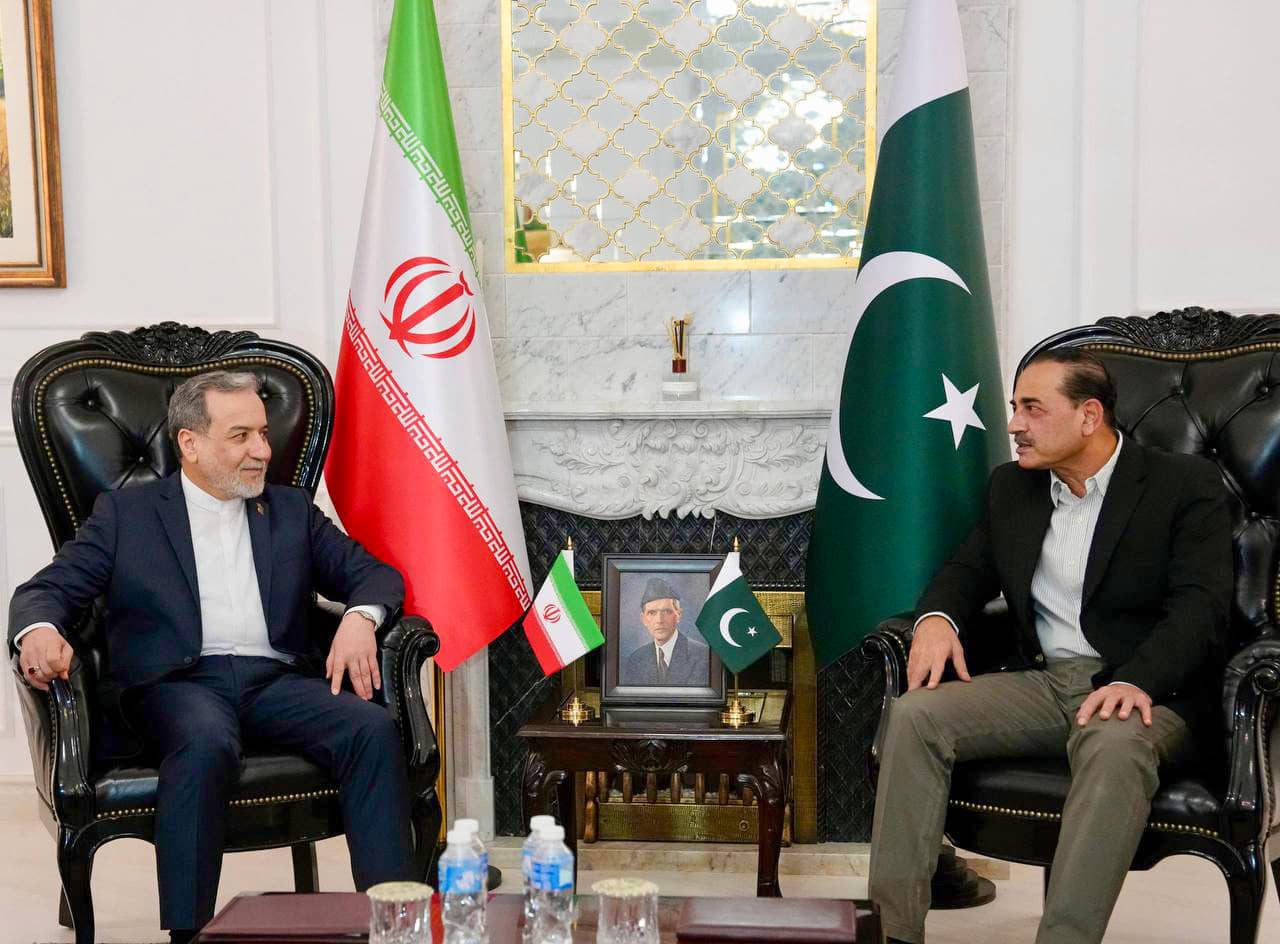

The Fragility of Diplomatic Wins Amidst Broader Instability
According to a report published in Canada-based 'Geopolitical Monitor', Pakistan’s recent efforts to mediate between the United States and Iran reflect a strategy shaped by its own vulnerabilities. The primary aim was to avoid entanglement in a wider conflict while securing specific national interests.
The analysis stated that Islamabad sought to secure its 900-kilometre border with Iran during this period of intense regional tension. Simultaneously, the country aimed to rebuild an international image reported as tarnished by years of isolation. However, the report noted that economic dividends from such a mediation role remain speculative.
The diplomatic initiative faced immediate challenges following talks held in Islamabad in April 2026. These discussions ended without a breakthrough. The report detailed that Iran rejected Pakistan’s proposed frameworks and issued counter-demands within days of the initial proposals being put forward by Pakistani officials.
Collapsing Agreements on Critical Regional Issues
While Pakistan contributed to the Memorandum of Understanding (MOU) signed on June 17, critical issues remained unresolved according to the source. The report specified that Iran’s nuclear programme and long-term management of the Strait of Hormuz were among the hardest issues left without a resolution.
The document stated that Pakistan secured a process rather than a definitive resolution at that stage. This fragility became evident as geopolitical dynamics shifted rapidly in early July 2026. US President Donald Trump declared the ceasefire over on July 10 following a major exchange of strikes between Washington and Tehran.
During this escalation, US forces targeted Iranian sites while Iran retaliated against US military assets located in the Gulf region. The report detailed that these events led to the effective collapse of the MOU signed earlier in June.
Narratives Flawed by Geopolitical Realities
Following the April 2026 talks, Pakistan’s role in brokering a ceasefire and hosting diplomatic sessions quickly fuelled a narrative of a diplomatic win over India. The report stated that claims regarding this outcome are flawed.
The analysis suggested that framing these events as a victory for Islamabad ignores the structural constraints placed on its foreign policy by regional powers. Instead, the balancing act between Washington, Tehran, and Riyadh has become increasingly untenable since July 10. The report characterized Pakistan’s current diplomatic approach not as an assertion of rising strategic power but rather as “defensive diplomacy.” This distinction is significant for understanding the limitations faced by smaller nations in high-stakes geopolitical environments.
The Deliberate Absence of Major Powers
Observers noted that India’s absence from the mediation table was not a sign of passivity. According to the report, this decision represented a deliberate choice consistent with how a power of India’s size and ambition conducts itself in international politics.
The source emphasized that the real question is not why major powers choose specific strategies but rather what those choices reveal about the hierarchy of influence in South Asian geopolitics. The report suggested that Pakistan’s attempt to position itself as a neutral broker was complicated by its own vulnerabilities and the broader strategic calculus of larger regional actors.
With the agreement now effectively collapsed, Islamabad's ability to maintain equilibrium between conflicting interests has diminished significantly. The failure to resolve long-standing issues regarding nuclear proliferation and maritime security continues to impact Pakistan’s standing in international forums. The report concluded that while diplomatic engagement remains a tool for statecraft, its success depends heavily on the willingness of all parties involved to compromise on core strategic interests. Without such compromises, even well-intentioned mediation efforts risk becoming mere exercises in political theater rather than instruments of lasting peace.
The collapse of the MOU underscores the difficulty small nations face when attempting to navigate between superpowers and regional rivals with conflicting agendas. Pakistan’s experience serves as a case study for other states seeking similar diplomatic roles without comparable leverage or resources. The situation remains fluid, with ongoing tensions in the Gulf region likely to influence future diplomatic initiatives involving Islamabad. The report warns that relying on defensive diplomacy alone may not be sufficient to restore an international image tarnished by years of perceived isolation and strategic uncertainty.